

Blog Structure Outline: Regulatory Challenges and Emissions Standards for Environmental Trucks
-
Introduction
- Brief overview of the importance of emissions regulations in the trucking industry.
- State the main focus areas: regulatory challenges, emissions standards, and expert insights.
-
Understanding Emissions Regulations
- Explanation of emissions standards relevant to trucks, particularly NOx and GHG emissions.
- Overview of the timeline for upcoming regulations, including the 2027 NOx standards.
-
Key Regulatory Bodies
- Discuss the roles of the Environmental Protection Agency (EPA) and the California Air Resources Board (CARB).
- Mention other regulatory frameworks in Canada and how they differ from those in the U.S.
-
Current Challenges Facing Manufacturers
- Insight into the struggles OEMs face with compliance, market uncertainty, and technological advancements.
- Inclusion of expert opinions and quotes from industry leaders (e.g., Sean Waters, Krista Toenjes, Paul Rosa).
-
Legal Disputes and Market Implications
- Analysis of the CARB versus truck makers conflict and its implications for regulatory compliance.
- Discussion on industry reactions and strategies for adapting to changing regulations.
-
Future Trends in Emissions Standards
- Predictions for future regulatory changes and their potential impact on environmental trucks.
- Emphasis on the shift toward zero-emission vehicles and advancements in technology.
-
Conclusion
- Summarize the regulatory landscape and the importance of clarity in emissions standards.
- Call to action for industry stakeholders to adapt and innovate in response to evolving regulations.
-
References
- Include citations for studies, expert interviews, and articles used to support facts and opinions throughout the blog.
In the ever-evolving landscape of the trucking industry, emissions regulations are not just a technical requirement; they signify the urgent need to address a public health crisis. Over 100 million people in the U.S. live in areas with unhealthy levels of air pollution, and the trucking sector is a significant contributor. As manufacturers rush to comply with increasingly stringent regulations, including the landmark 2027 NOx standards aimed at drastically reducing harmful emissions, they are met with a complex web of compliance hurdles.
The growing complexity of these regulations not only imposes strict deadlines but also demands advanced technological solutions. As manufacturers work tirelessly to adapt to these requirements, the immediacy of clear and consistent regulatory frameworks becomes clear. It is crucial for all industry stakeholders—from original equipment manufacturers (OEMs) to regulatory bodies—to streamline their efforts, focusing on collaborative strategies that promote innovative solutions while maintaining environmental accountability.
Failure to comply not only risks penalties but also undermines the industry’s progress towards sustainable practices. This article will delve into the critical regulatory challenges faced by truck manufacturers and the broader implications for the trucking sector as a whole.
Emissions Regulations by 2027: A Closer Look
As the trucking industry braces for the 2027 emissions regulations, a specific focus has been placed on dramatically reducing nitrogen oxides (NOx) emissions. The target is to achieve a reduction to just 0.035 grams of NOx per kilowatt-hour. This proposed limit is a significant decrease from current levels, which hover around 0.2 grams for many heavy-duty vehicles.
According to the U.S. Environmental Protection Agency (EPA), these stricter standards will be implemented alongside new testing procedures designed to better reflect real-world operating conditions. This means that manufacturers must adapt their technologies to produce cleaner engines that comply with these stringent requirements. This transition is underscored by the fact that, with appropriate technological advancements, achieving these targets is deemed feasible.
Sean Waters, a leading expert in emissions technology, remarked, “The product we have been developing, we are very confident in, and we are prepared to meet the 2027 standards.” This statement underlines the industry’s commitment to evolve and innovate in response to regulatory pressures.
Conversely, Paul Rosa, another industry voice, acknowledged the challenges by stating, “The regulations were getting further ahead of the technology.” This perspective encapsulates the tension between regulatory timelines and technological readiness, emphasizing the need for collaboration among stakeholders as they work towards these ambitious goals.
In addition to the U.S. regulations, other regions, such as the European Union, have also set stringent NOx limits that align similarly with the 2027 standards. The broader global regulatory landscape necessitates that manufacturers remain agile and responsive, adapting not only to federal regulations but also to international standards and expectations in emissions control.
As the deadline approaches, the urgent need for clarity in these regulations becomes increasingly vital, prompting industry stakeholders to seek collaborative solutions that promote compliance while balancing economic viability.
Implications of EPA27 Rules on Warranty Provisions
The EPA27 regulations are set to significantly affect warranty provisions in the trucking industry, as manufacturers must adapt to stricter emissions standards. With an emphasis on reducing nitrogen oxides (NOx) emissions, the rules will likely lead to longer warranty periods for emissions control systems, including diesel particulate filters and selective catalytic reduction systems. According to the American Trucking Associations, the implementation of EPA27 could increase warranty periods from five years or 100,000 miles to seven years or 150,000 miles for certain systems, extending manufacturers’ liabilities significantly.
An article from Transport Topics underscores this transition, noting that the new standards may require warranties of up to five years or 150,000 miles on key emissions components. This change aims to offer fleets better protection against failures stemming from complex emissions systems, which have become increasingly prevalent. “We are seeing manufacturers adjust their warranty offerings to reassure customers amid the evolving landscape of emissions regulations,” stated an industry expert.
Statistics further emphasize the need for this adaptability. During previous phases of emissions regulation implementation, warranty claims rose by 30 to 40%. As manufacturers address anticipated regulatory burdens, they are investing in advanced diagnostic tools and training to manage warranty claims and disputes more efficiently.
Moreover, projections suggest that total warranty costs could increase by approximately 15 to 25% under the new regulations. Experts from the North American Council for Freight Efficiency found that complex emissions systems are expected to contribute around 35% of total heavy-duty truck warranty expenses. This underscores the critical intersection of technology and warranty management in the industry.
“The evolving regulations illustrate the importance of robust diagnostic and predictive maintenance solutions to help mitigate warranty costs,” commented a representative from a major truck manufacturer. As companies prepare for the extended obligations of the EPA27 provisions, they are also encouraged to negotiate enhanced warranty terms during vehicle procurement, thereby ensuring their fleets remain compliant and operational with minimized risk.
In conclusion, while these regulatory changes herald a shift towards better environmental stewardship, they also pose significant challenges to manufacturers’ warranty strategies. Increased warranty provisions will provide fleets with better protections, but they will also necessitate comprehensive planning and investment from manufacturers to manage the accompanying risks.
| Aspect | Canada | United States |
|---|---|---|
| Main Regulatory Body | Canadian Environmental Protection Agency (CEPA) | Environmental Protection Agency (EPA) |
| NOx Standards (2027) | 0.035 grams/km (expected) | 0.035 grams/km (expected) |
| GHG Phase 3 Adoption | Not yet adopted | Adopted and enforced |
| Warranty Provision Increase | Anticipated to 7 years or 150,000 miles | Anticipated to 5 years or 150,000 miles |
| Compliance Deadlines | Aligning deadlines with U.S. | Strict deadlines set for 2027 |
| Vehicle Testing Procedures | Undergoing updates for real-world conditions | Implementation of real-world testing methods |
| Cross-Border Vehicle Impact | Over 4 million vehicles crossed in last year | Heavy reliance on Canada for truck imports |
| Industry Response | Calls for clarity and consistency | Seeking collaborative solutions |
Market Uncertainty Facing Truck Manufacturers
The landscape for truck manufacturers such as Daimler and Cummins is increasingly fraught with market uncertainty, largely stemming from regulatory inconsistencies. These companies are grappling with fluctuating emissions standards that differ not only from state to state but also between federal and local regulations.
Regulatory fragmentation has created a scenario where manufacturers face the daunting task of adapting their technologies to meet a variety of emissions requirements. For instance, Daimler CEO Martin Daum has publicly expressed concerns regarding the challenges posed by California’s stringent emissions standards, which often conflict with those of other states. This inconsistency necessitates multiple vehicle configurations tailored to meet different regulatory demands, leading to increased costs and complications in production planning.
On the other hand, Cummins has recently been embroiled in significant legal and financial repercussions, having paid a $2 billion settlement due to allegations of bypassing emissions controls. Such actions reflect the severe financial consequences that can arise from failing to meet regulatory expectations, further emphasizing the high stakes for manufacturers operating in this environment.
Moreover, the proposed rules from the Environmental Protection Agency (EPA) suggest a reduction in emissions by up to 40% by 2032, adding to the uncertainty facing these companies. Manufacturers must develop compliance strategies amidst shifting regulations across different administrations, creating a challenging backdrop for long-term planning and investment decisions.
This volatile regulatory environment not only impacts the operational strategies of manufacturers but also has broader implications for the trucking industry as a whole. The consequent inefficiencies and compliance costs can ripple through the supply chain, forcing companies to rethink their market approaches while striving for sustainability.
In summary, the current regulatory landscape presents a formidable challenge for truck manufacturers, requiring rapid adaptation to meet diverse emissions standards. As they attempt to navigate this complex environment, Daimler and Cummins exemplify the pressing need for clarity and consistency in regulations to foster a more stable market.
Challenges Faced by CARB Regulations
The California Air Resources Board (CARB) has established some of the most stringent emissions regulations in the United States, which have introduced several key challenges for the trucking industry and conflicts with federal standards. These challenges can be summarized as follows:
- Financial Burdens: CARB’s regulations necessitate significant investments for truck manufacturers to comply with stricter emissions standards. This often involves extensive retooling of production lines, which can be especially taxing for smaller manufacturers who may lack the financial resources to make such adjustments. The economic implications extend to fleet operators as well, who face rising costs in acquiring new zero-emission vehicles (ZEVs) and building necessary charging infrastructure.
- Regulatory Conflict: The Clean Air Act grants California the authority to set its own emissions standards, leading to a divergence from federal EPA regulations. This creates a complex regulatory landscape that manufacturers must navigate, effectively resulting in a patchwork of compliance requirements depending on the state. The inconsistency can also mean that manufacturers will often build vehicles specifically tailored to meet California’s standards rather than maintaining separate lines for federal requirements.
- Compliance Challenges: As intermediaries between the regulations and operational realities, trucking companies face hurdles in aligning their fleets with CARB’s requirements. High upfront costs for ZEVs and limited infrastructure for charging exacerbate compliance issues, particularly in regions that have not yet fully transitioned to such vehicle technologies.
- Supply Chain Impact: The tensions arising from CARB’s stringent regulations can lead to increased supply chain costs. Fleet operators may have to retire functional diesel trucks earlier than their useful life dictates to comply with new standards, resulting in capital losses. Additionally, these costs can ripple through the economy, potentially raising consumer prices due to heightened operational expenses.
In summary, the CARB regulations pose significant challenges that demand manufacturers and trucking companies not only adapt to rapidly changing regulations but also engage with the broader implications for their operational and financial stability.
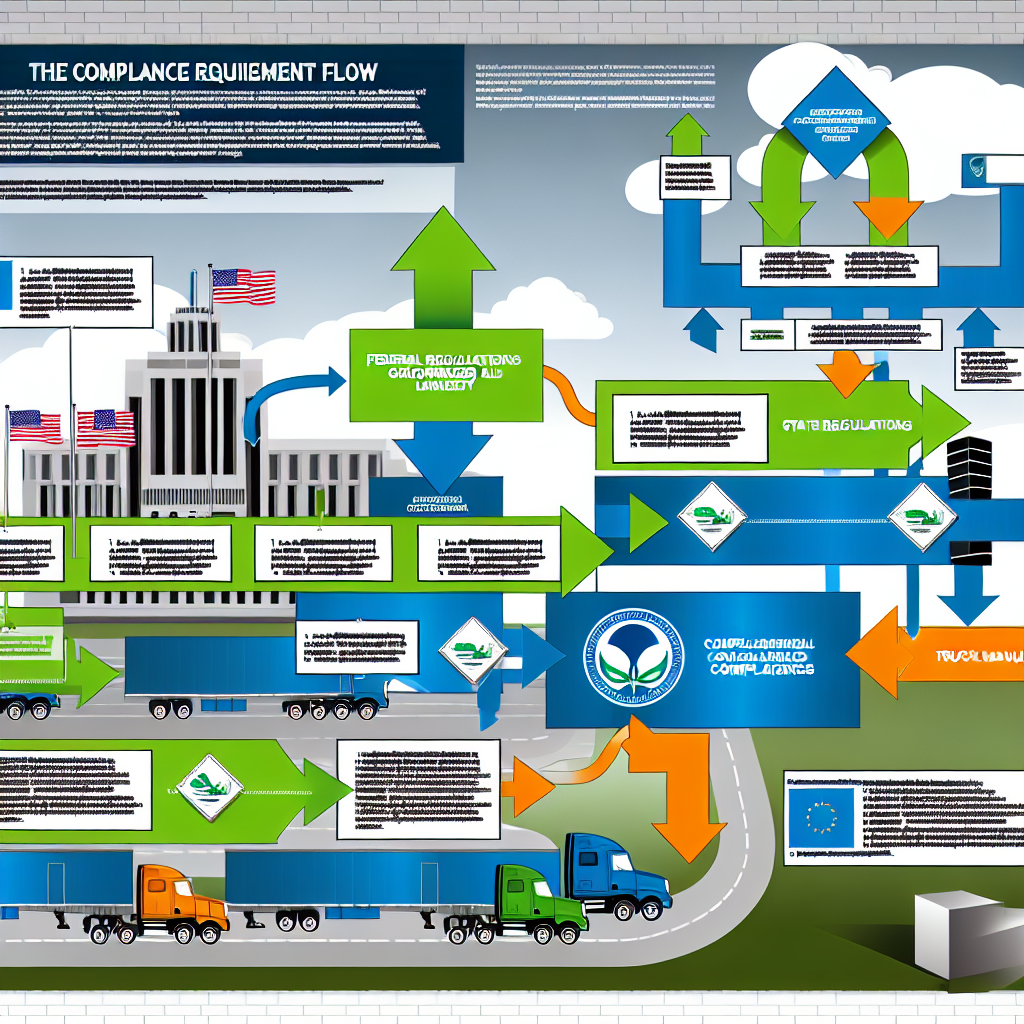
An illustration showing the flow of compliance requirements in the trucking industry, detailing the relationship between the U.S. EPA regulations and state regulations that impact truck manufacturers.
Future Landscape for Trucking Regulations: Embracing Zero-Emission Vehicles
As the urgency for climate action intensifies, the trucking industry stands at a crucial crossroads with the forthcoming transition to zero-emission vehicles (ZEVs). Manufacturers are facing increasing regulatory pressure from both federal and state authorities to adopt cleaner technologies, which are becoming essential for compliance with new emissions standards. This shift is not only a response to environmental considerations but also an adaptation to changing market demands and consumer preferences for sustainable practices.
The move towards ZEVs is being driven by regulations such as those proposed by the California Air Resources Board (CARB) and the U.S. Environmental Protection Agency (EPA), which are setting ambitious targets to phase out traditional diesel engines. The Environmental Protection Agency has indicated that by 2032, it expects to implement a 40% reduction in overall emissions, reinforcing the importance of a rapid transition to cleaner technologies.
To support this transition, manufacturers are investing heavily in research and development. Innovations in battery technology and alternative fuel systems, such as hydrogen fuel cells, are becoming critical for achieving compliance while maintaining operational efficiency. As Paul Rosa from one of the leading truck manufacturers noted, “The regulations were getting further ahead of the technology,” suggesting that while the demand for advancements is high, the pace of technological development must accelerate to meet these stringent standards.
However, the path to compliance is fraught with challenges. The high costs associated with developing and implementing zero-emission technologies may present significant barriers, particularly for smaller manufacturers who may struggle with the financial burdens of retooling or retrofitting existing fleets. Moreover, the existing infrastructure, particularly for electric charging stations and hydrogen refueling options, typically lags behind the rapid advance in zero-emission technologies, making adoption more complex.
The economic implications of these regulatory shifts are vast. Manufacturers will need to rethink their production strategies and supply chain logistics to accommodate the new technologies while also factoring in the potential increases in operational costs during the transition phase. As detailed warranty provisions are anticipated under the upcoming regulations, OEMs may face increased liabilities and need to account for longer warranty periods on emissions control technologies, further complicating their financial outlook.
As the industry accelerates towards a zero-emission future, collaboration between manufacturers, regulators, and technology developers will be vital. Only through joint efforts can the stakeholders identify innovative solutions and create a seamless regulatory framework that promotes compliance, fosters technological advancements, and ultimately drives the trucking industry towards a more sustainable and environmentally responsible future.
Conclusion
The regulatory landscape for environmental trucks presents a myriad of challenges that manufacturers must navigate carefully. With differing regulations between the U.S. and Canada, truck manufacturers face compliance complexities that complicate operations and product planning. The financial impacts of adapting to these evolving emissions standards can be substantial, not only for manufacturers who must revise their production strategies but also for fleet operators who need to invest in cleaner technologies and infrastructure.
Ensuring clarity and consistency across these regulations is vital for fostering innovation and collaboration within the industry. As the regulatory focus shifts increasingly toward zero-emission vehicles, OEMs and stakeholders must work together to streamline compliance processes, enabling them to meet ambitious environmental targets while maintaining market viability. Only through unified efforts can the trucking industry overcome these regulatory hurdles and emerge as a leader in sustainable transportation solutions for the future.
Key Emissions Regulations for the Trucking Industry
- 2027 NOx Standards: Aiming to limit nitrogen oxides (NOx) emissions to 0.035 grams per kilowatt-hour, down from current levels around 0.2 grams.
- EPA27 Regulations: Potentially impacting warranty provisions, extending warranty periods for emissions systems due to stricter compliance requirements.
- California Emissions Standards: CARB sets aggressive standards that often surpass federal regulations, affecting how manufacturers design vehicles.
- Canadian GHG Phase 3 Rules: Yet to be adopted in Canada but anticipated to align closely with U.S. standards, creating additional challenges for cross-border operations.
- Electric Vehicle Policies: Increasing focus on transitioning to zero-emission vehicles (ZEVs) as part of broader environmental goals, challenging manufacturers to innovate and adapt their fleets.
These summaries provide a quick reference for stakeholders to understand the critical emissions regulations impacting the trucking industry today.
Blog Structure Outline: Regulatory Challenges and Emissions Standards for Environmental Trucks
- Introduction
- Understanding Emissions Regulations
- Key Regulatory Bodies
- Current Challenges Facing Manufacturers
- Legal Disputes and Market Implications
- Future Trends in Emissions Standards
- Conclusion
- References
Introduction
In the ever-evolving landscape of the trucking industry, emissions regulations are not just a technical requirement; they signify the urgent need to address a public health crisis. Over 100 million people in the U.S. live in areas with unhealthy levels of air pollution, and the trucking sector is a significant contributor. As manufacturers rush to comply with increasingly stringent regulations, including the landmark 2027 NOx standards aimed at drastically reducing harmful emissions, they are met with a complex web of compliance hurdles. The growing complexity of these regulations not only imposes strict deadlines but also demands advanced technological solutions. As manufacturers work tirelessly to adapt to these requirements, the immediacy of clear and consistent regulatory frameworks becomes clear. It is crucial for all industry stakeholders—from original equipment manufacturers (OEMs) to regulatory bodies—to streamline their efforts, focusing on collaborative strategies that promote innovative solutions while maintaining environmental accountability. Failure to comply not only risks penalties but also undermines the industry’s progress towards sustainable practices. This article will delve into the critical regulatory challenges faced by truck manufacturers and the broader implications for the trucking sector as a whole.
Emissions Regulations by 2027: A Closer Look
As the trucking industry braces for the 2027 emissions regulations, a specific focus has been placed on dramatically reducing nitrogen oxides (NOx) emissions. The target is to achieve a reduction to just 0.035 grams of NOx per kilowatt-hour. This proposed limit is a significant decrease from current levels, which hover around 0.2 grams for many heavy-duty vehicles.
According to the U.S. Environmental Protection Agency (EPA), these stricter standards will be implemented alongside new testing procedures designed to better reflect real-world operating conditions. This means that manufacturers must adapt their technologies to produce cleaner engines that comply with these stringent requirements. This transition is underscored by the fact that, with appropriate technological advancements, achieving these targets is deemed feasible.
Sean Waters, a leading expert in emissions technology, remarked, “The product we have been developing, we are very confident in, and we are prepared to meet the 2027 standards.” This statement underlines the industry’s commitment to evolve and innovate in response to regulatory pressures.
Conversely, Paul Rosa, another industry voice, acknowledged the challenges by stating, “The regulations were getting further ahead of the technology.” This perspective encapsulates the tension between regulatory timelines and technological readiness, emphasizing the need for collaboration among stakeholders as they work towards these ambitious goals.
In addition to the U.S. regulations, other regions, such as the European Union, have also set stringent NOx limits that align similarly with the 2027 standards. The broader global regulatory landscape necessitates that manufacturers remain agile and responsive, adapting not only to federal regulations but also to international standards and expectations in emissions control.
As the deadline approaches, the urgent need for clarity in these regulations becomes increasingly vital, prompting industry stakeholders to seek collaborative solutions that promote compliance while balancing economic viability.
Implications of EPA27 Rules on Warranty Provisions
The EPA27 regulations are set to significantly affect warranty provisions in the trucking industry, as manufacturers must adapt to stricter emissions standards. With an emphasis on reducing nitrogen oxides (NOx) emissions, the rules will likely lead to longer warranty periods for emissions control systems, including diesel particulate filters and selective catalytic reduction systems. According to the American Trucking Associations, the implementation of EPA27 could increase warranty periods from five years or 100,000 miles to seven years or 150,000 miles for certain systems, extending manufacturers’ liabilities significantly.
An article from Transport Topics underscores this transition, noting that the new standards may require warranties of up to five years or 150,000 miles on key emissions components. This change aims to offer fleets better protection against failures stemming from complex emissions systems, which have become increasingly prevalent. “We are seeing manufacturers adjust their warranty offerings to reassure customers amid the evolving landscape of emissions regulations,” stated an industry expert.
Statistics further emphasize the need for this adaptability. During previous phases of emissions regulation implementation, warranty claims rose by 30 to 40%. As manufacturers address anticipated regulatory burdens, they are investing in advanced diagnostic tools and training to manage warranty claims and disputes more efficiently.
Moreover, projections suggest that total warranty costs could increase by approximately 15 to 25% under the new regulations. Experts from the North American Council for Freight Efficiency found that complex emissions systems are expected to contribute around 35% of total heavy-duty truck warranty expenses. This underscores the critical intersection of technology and warranty management in the industry.
“The evolving regulations illustrate the importance of robust diagnostic and predictive maintenance solutions to help mitigate warranty costs,” commented a representative from a major truck manufacturer. As companies prepare for the extended obligations of the EPA27 provisions, they are also encouraged to negotiate enhanced warranty terms during vehicle procurement, thereby ensuring their fleets remain compliant and operational with minimized risk.
In conclusion, while these regulatory changes herald a shift towards better environmental stewardship, they also pose significant challenges to manufacturers’ warranty strategies. Increased warranty provisions will provide fleets with better protections, but they will also necessitate comprehensive planning and investment from manufacturers to manage the accompanying risks.
Comparison of Regulatory Frameworks in Canada and the U.S.
| Aspect | Canada | United States |
|---|---|---|
| Main Regulatory Body | Canadian Environmental Protection Agency (CEPA) | Environmental Protection Agency (EPA) |
| NOx Standards (2027) | 0.035 grams/km (expected) | 0.035 grams/km (expected) |
| GHG Phase 3 Adoption | Not yet adopted | Adopted and enforced |
| Warranty Provision Increase | Anticipated to 7 years or 150,000 miles | Anticipated to 5 years or 150,000 miles |
| Compliance Deadlines | Aligning deadlines with U.S. | Strict deadlines set for 2027 |
| Vehicle Testing Procedures | Undergoing updates for real-world conditions | Implementation of real-world testing methods |
| Cross-Border Vehicle Impact | Over 4 million vehicles crossed in last year | Heavy reliance on Canada for truck imports |
| Industry Response | Calls for clarity and consistency | Seeking collaborative solutions |
Market Uncertainty Facing Truck Manufacturers
The landscape for truck manufacturers such as Daimler and Cummins is increasingly fraught with market uncertainty, largely stemming from regulatory inconsistencies. These companies are grappling with fluctuating emissions standards that differ not only from state to state but also between federal and local regulations.
Regulatory fragmentation has created a scenario where manufacturers face the daunting task of adapting their technologies to meet a variety of emissions requirements. For instance, Daimler CEO Martin Daum has publicly expressed concerns regarding the challenges posed by California’s stringent emissions standards, which often conflict with those of other states. This inconsistency necessitates multiple vehicle configurations tailored to meet different regulatory demands, leading to increased costs and complications in production planning.
On the other hand, Cummins has recently been embroiled in significant legal and financial repercussions, having paid a $2 billion settlement due to allegations of bypassing emissions controls. Such actions reflect the severe financial consequences that can arise from failing to meet regulatory expectations, further emphasizing the high stakes for manufacturers operating in this environment.
Moreover, the proposed rules from the Environmental Protection Agency (EPA) suggest a reduction in emissions by up to 40% by 2032, adding to the uncertainty facing these companies. Manufacturers must develop compliance strategies amidst shifting regulations across different administrations, creating a challenging backdrop for long-term planning and investment decisions.
This volatile regulatory environment not only impacts the operational strategies of manufacturers but also has broader implications for the trucking industry as a whole. The consequent inefficiencies and compliance costs can ripple through the supply chain, forcing companies to rethink their market approaches while striving for sustainability.
In summary, the current regulatory landscape presents a formidable challenge for truck manufacturers, requiring rapid adaptation to meet diverse emissions standards. As they attempt to navigate this complex environment, Daimler and Cummins exemplify the pressing need for clarity and consistency in regulations to foster a more stable market.
Challenges Faced by CARB Regulations
The California Air Resources Board (CARB) has established some of the most stringent emissions regulations in the United States, which have introduced several key challenges for the trucking industry and conflicts with federal standards. These challenges can be summarized as follows:
- Financial Burdens: CARB’s regulations necessitate significant investments for truck manufacturers to comply with stricter emissions standards. This often involves extensive retooling of production lines, which can be especially taxing for smaller manufacturers who may lack the financial resources to make such adjustments. The economic implications extend to fleet operators as well, who face rising costs in acquiring new zero-emission vehicles (ZEVs) and building necessary charging infrastructure.
- Regulatory Conflict: The Clean Air Act grants California the authority to set its own emissions standards, leading to a divergence from federal EPA regulations. This creates a complex regulatory landscape that manufacturers must navigate, effectively resulting in a patchwork of compliance requirements depending on the state. The inconsistency can also mean that manufacturers will often build vehicles specifically tailored to meet California’s standards rather than maintaining separate lines for federal requirements.
- Compliance Challenges: As intermediaries between the regulations and operational realities, trucking companies face hurdles in aligning their fleets with CARB’s requirements. High upfront costs for ZEVs and limited infrastructure for charging exacerbate compliance issues, particularly in regions that have not yet fully transitioned to such vehicle technologies.
- Supply Chain Impact: The tensions arising from CARB’s stringent regulations can lead to increased supply chain costs. Fleet operators may have to retire functional diesel trucks earlier than their useful life dictates to comply with new standards, resulting in capital losses. Additionally, these costs can ripple through the economy, potentially raising consumer prices due to heightened operational expenses.
In summary, the CARB regulations pose significant challenges that demand manufacturers and trucking companies not only adapt to rapidly changing regulations but also engage with the broader implications for their operational and financial stability.
Compliance Flow Image
An illustration showing the flow of compliance requirements in the trucking industry, detailing the relationship between the U.S. EPA regulations and state regulations that impact truck manufacturers.
Future Landscape for Trucking Regulations: Embracing Zero-Emission Vehicles
As the urgency for climate action intensifies, the trucking industry stands at a crucial crossroads with the forthcoming transition to zero-emission vehicles (ZEVs). Manufacturers are facing increasing regulatory pressure from both federal and state authorities to adopt cleaner technologies, which are becoming essential for compliance with new emissions standards. This shift is not only a response to environmental considerations but also an adaptation to changing market demands and consumer preferences for sustainable practices.
The move towards ZEVs is being driven by regulations such as those proposed by the California Air Resources Board (CARB) and the U.S. Environmental Protection Agency (EPA), which are setting ambitious targets to phase out traditional diesel engines. The Environmental Protection Agency has indicated that by 2032, it expects to implement a 40% reduction in overall emissions, reinforcing the importance of a rapid transition to cleaner technologies.
To support this transition, manufacturers are investing heavily in research and development. Innovations in battery technology and alternative fuel systems, such as hydrogen fuel cells, are becoming critical for achieving compliance while maintaining operational efficiency. As Paul Rosa from one of the leading truck manufacturers noted, “The regulations were getting further ahead of the technology,” suggesting that while the demand for advancements is high, the pace of technological development must accelerate to meet these stringent standards.
However, the path to compliance is fraught with challenges. The high costs associated with developing and implementing zero-emission technologies may present significant barriers, particularly for smaller manufacturers who may struggle with the financial burdens of retooling or retrofitting existing fleets. Moreover, the existing infrastructure, particularly for electric charging stations and hydrogen refueling options, typically lags behind the rapid advance in zero-emission technologies, making adoption more complex.
The economic implications of these regulatory shifts are vast. Manufacturers will need to rethink their production strategies and supply chain logistics to accommodate the new technologies while also factoring in the potential increases in operational costs during the transition phase. As detailed warranty provisions are anticipated under the upcoming regulations, OEMs may face increased liabilities and need to account for longer warranty periods on emissions control technologies, further complicating their financial outlook.
As the industry accelerates towards a zero-emission future, collaboration between manufacturers, regulators, and technology developers will be vital. Only through joint efforts can the stakeholders identify innovative solutions and create a seamless regulatory framework that promotes compliance, fosters technological advancements, and ultimately drives the trucking industry towards a more sustainable and environmentally responsible future.
Conclusion
The regulatory landscape for environmental trucks presents a myriad of challenges that manufacturers must navigate carefully. With differing regulations between the U.S. and Canada, truck manufacturers face compliance complexities that complicate operations and product planning. The financial impacts of adapting to these evolving emissions standards can be substantial, not only for manufacturers who must revise their production strategies but also for fleet operators who need to invest in cleaner technologies and infrastructure.
Ensuring clarity and consistency across these regulations is vital for fostering innovation and collaboration within the industry. As the regulatory focus shifts increasingly toward zero-emission vehicles, OEMs and stakeholders must work together to streamline compliance processes, enabling them to meet ambitious environmental targets while maintaining market viability. Only through unified efforts can the trucking industry overcome these regulatory hurdles and emerge as a leader in sustainable transportation solutions for the future.
Technology Advancements in Zero-Emission Vehicles
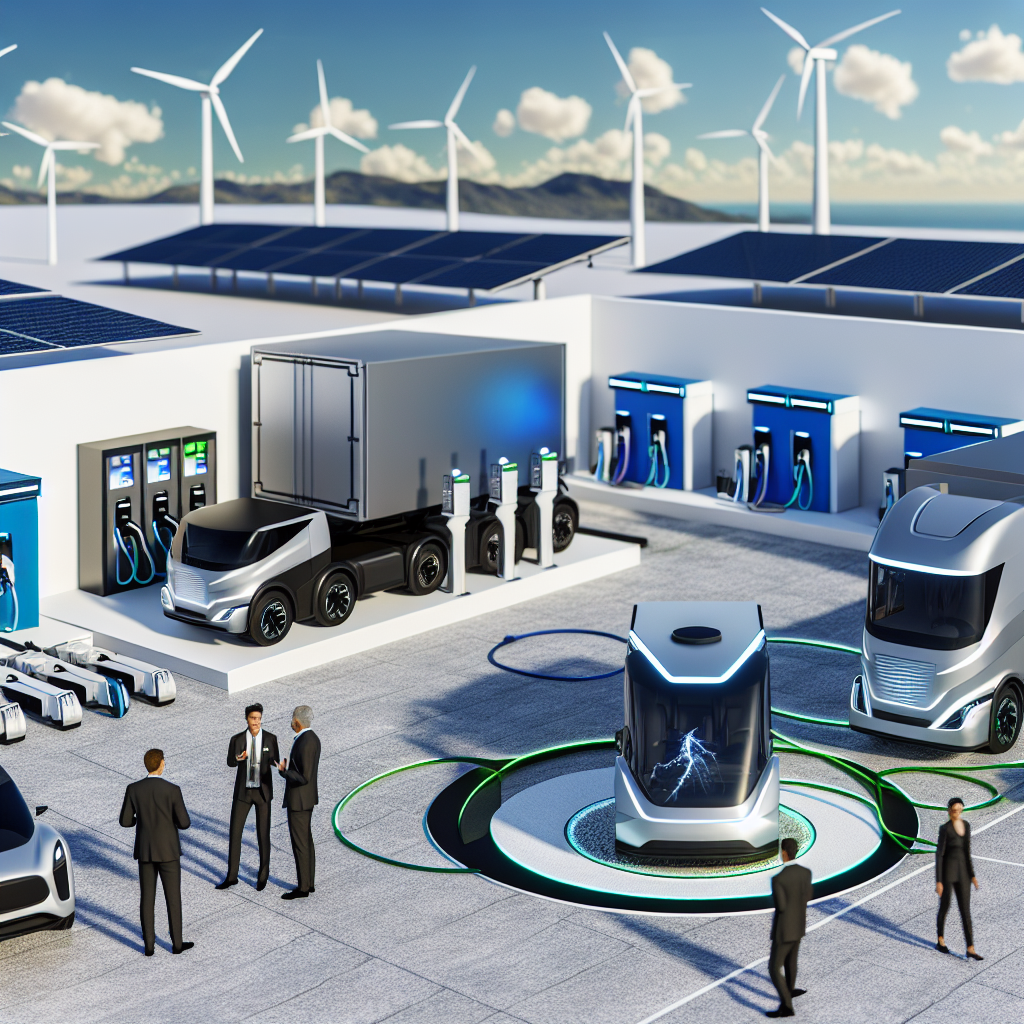
An illustration depicting various advancements in zero-emission vehicle technology, including electric trucks and hydrogen fuel cell vehicles.
The shift to zero-emission vehicles (ZEVs) is being fuelled by breakthroughs in technology, making substantial progress towards sustainability. Innovations in battery technology, vehicle design, and fuel systems are transforming how vehicles are manufactured and operated.
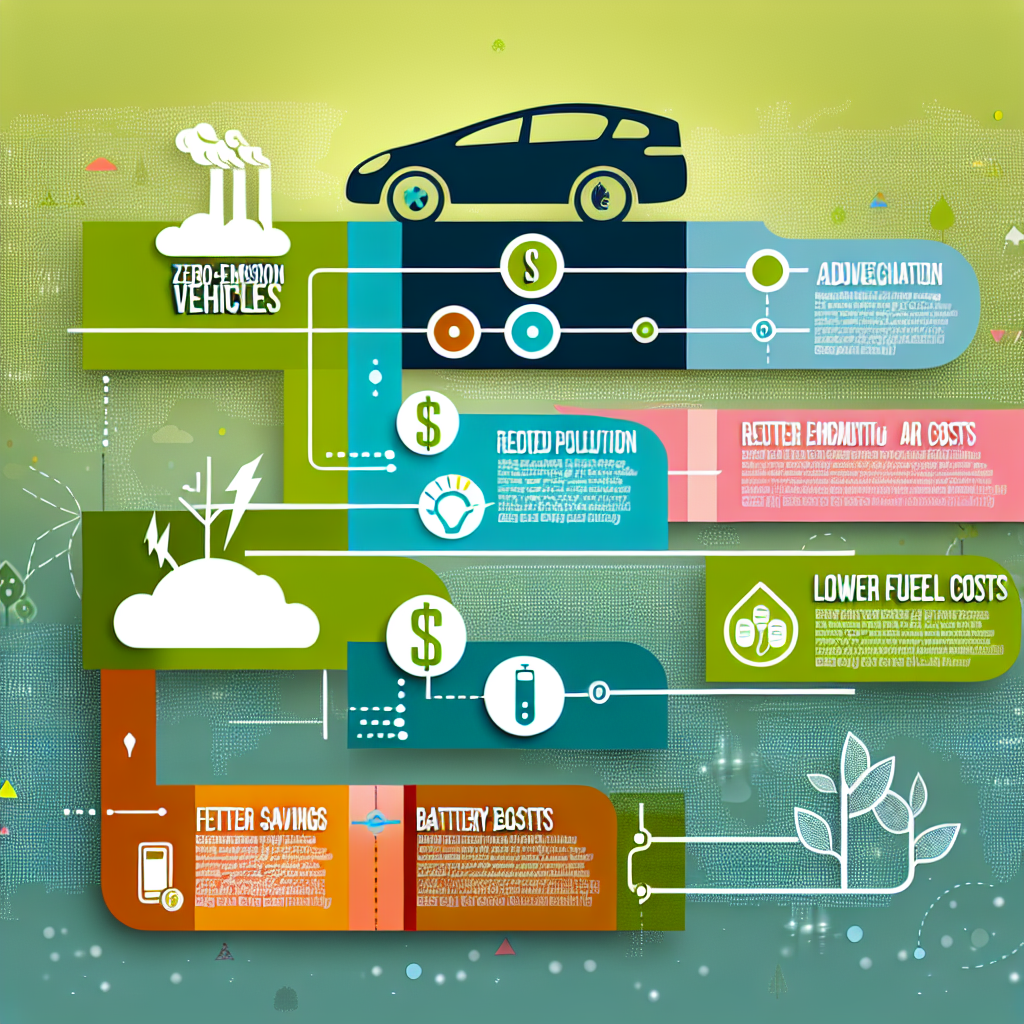
An infographic highlighting the benefits of zero-emission vehicles such as reduced greenhouse gas emissions and lower operational costs.
As the regulatory landscape tightens, manufacturers are realizing the advantages of investing in these technologies—not just to comply with emissions standards, but to position themselves as leaders in the future of transportation.
Case Study: Successful Emissions Compliance Through Technology Upgrades
A recent success story from an automotive parts manufacturer highlights the potential for compliance with emissions regulations through innovative technology. The company implemented systematic upgrades alongside an AI operational platform, which enabled them to tackle their oil mist emissions issues effectively. As a result, they achieved a dramatic reduction in particulate emissions from above the legal limit to just 3.5 mg/m³, well under the 20 mg/m³ standard. This transition not only ensured compliance but also resulted in significant financial benefits, saving the company approximately 280,000 yuan in annual maintenance costs. This case exemplifies how technology and smart management practices can lead to successful adaptation to stringent emissions regulations, showcasing a practical example for other manufacturers facing similar challenges.