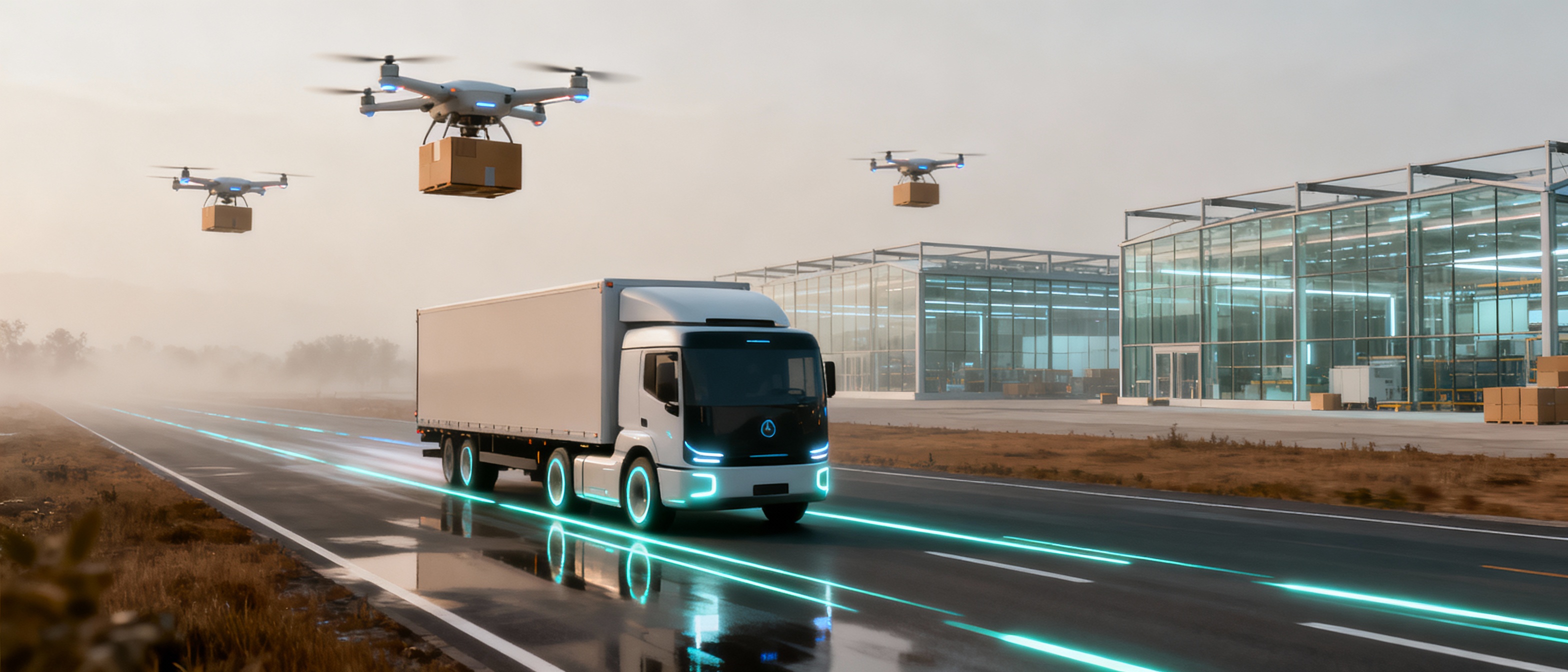
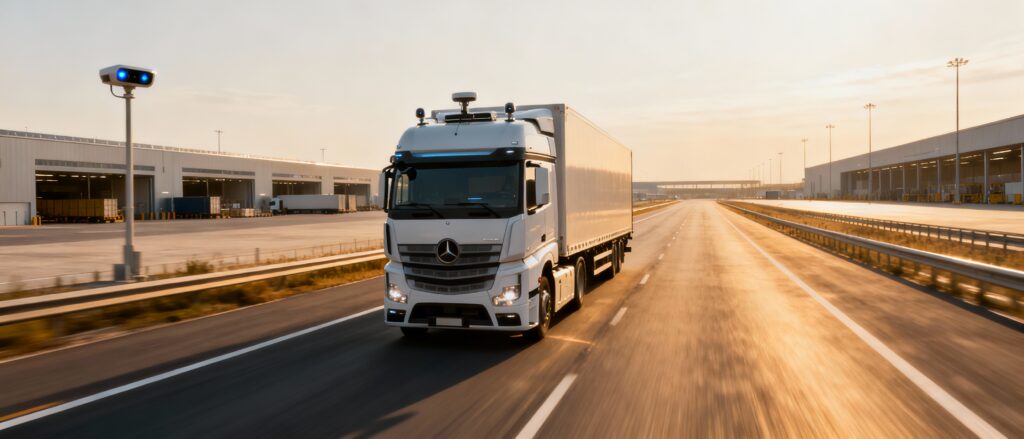
In a groundbreaking achievement that could redefine the landscape of transportation, Bot Auto has launched its first humanless autonomous truck validation run, successfully navigating the challenging route between Houston and San Antonio. This remarkable milestone not only showcases the technological advancements in the autonomous trucking industry but also sets the stage for a future where human involvement in logistics could be significantly minimized.
Imagine a world in which goods are transported effortlessly across states without a driver behind the wheel—this vision is becoming a reality, and it all starts with Bot Auto’s pioneering efforts. By demonstrating seamless operation without human presence, this validation run highlights the potential for efficiency and cost-effectiveness that autonomous trucks can bring to commercial freight operations.
Indeed, as we push the boundaries of innovation, the implications of this achievement resonate far beyond just transportation; they echo a transformative shift in how we view logistics in an increasingly autonomous era.
Background on Bot Auto
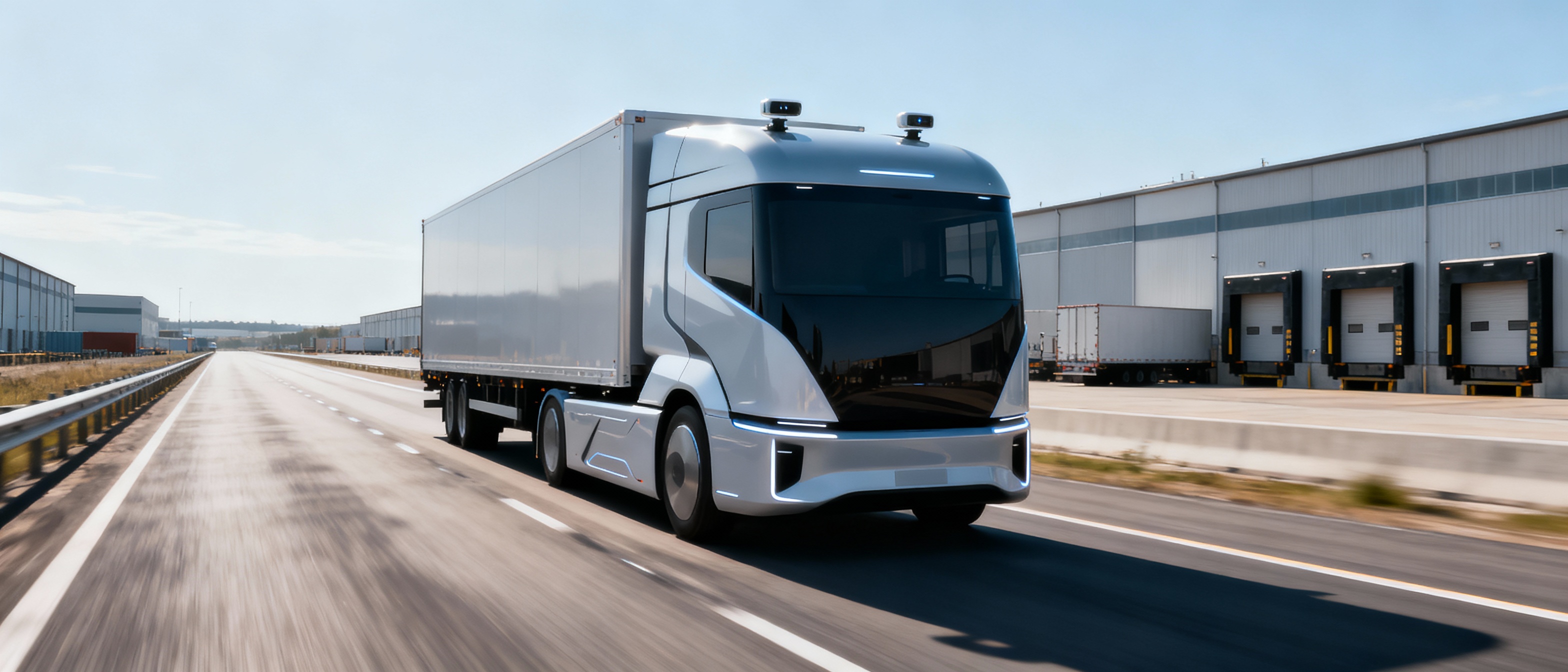
Bot Auto was founded to change the logistics industry through autonomous trucking technology. The company started just two years before this major milestone, with a clear goal: to create trucks that can operate fully without humans. This reflects their commitment to innovation in transportation.
Since it began, Bot Auto has led in advancing technology to use autonomous systems in everyday logistics. This key moment—the first humanless hub-to-hub validation run between Houston and San Antonio—marks an important step in the company’s journey and in the overall progress of autonomous trucking. This successful run showed that the truck can operate effectively without any human presence and also laid out a clear path for deploying fully autonomous trucks in commercial settings.
Detailed Description of the Validation Run
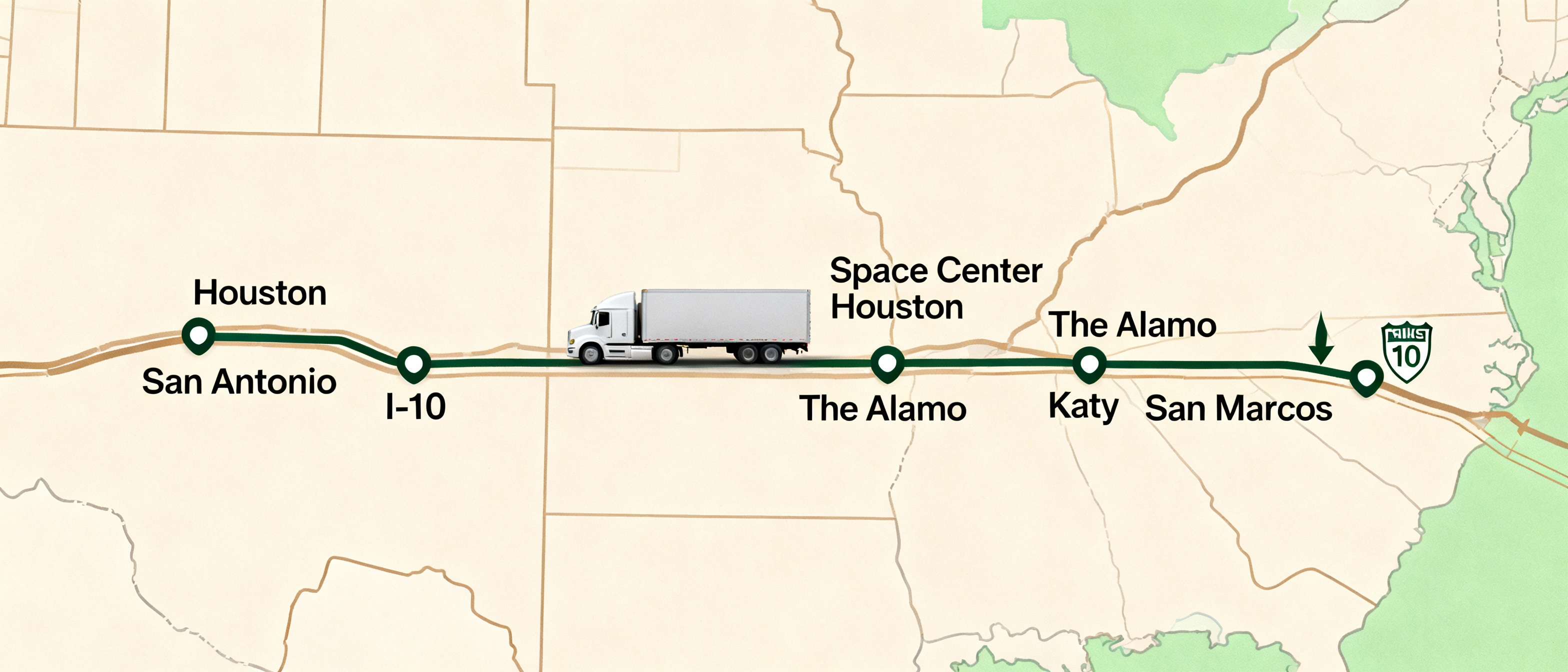
The validation run conducted by Bot Auto marked a significant milestone in the realm of autonomous trucking, showcasing not only the innovative capabilities of their technology but also a groundbreaking shift in operational practices. The journey commenced in Houston, Texas, a bustling hub for logistics and transportation, where the autonomous truck was meticulously prepared to undertake the ambitious journey to San Antonio, approximately 250 miles away. This route, chosen for its complexity and variety of driving conditions, served as the perfect testing ground for Bot Auto’s state-of-the-art autonomous systems.
As the truck set off, the atmosphere was charged with anticipation and technological excitement. The objective of this validation run went beyond merely reaching the destination; it aimed to demonstrate the feasibility and reliability of autonomous driving technology without human intervention. This objective was rooted in Bot Auto’s vision of ensuring that the truck operates not only efficiently but also safely, managing diverse challenges common to interstate travel, including traffic variations, road constructions, and dynamic environmental conditions.
Throughout the run, the autonomous truck was equipped with advanced sensors, cameras, and decision-making algorithms, enabling it to perceive and respond to its surroundings in real-time. The technology audibly and visually assessed its environment, utilizing a robust safety verification system designed to prevent any potential mishaps. This included continuously analyzing vehicle speed, proximity to other road users, and potential hazards, ensuring that safety was the foremost priority.
Upon nearing San Antonio, the truck successfully navigated through urban settings, demonstrating its ability to merge seamlessly into traffic and negotiate urban driving challenges. The validation run culminated with successful docking at a designated delivery hub, completing the journey without human oversight at the wheel, in the cabin, or via remote assistance. This operational feat not only illustrates technological advancement but also signals a paradigm shift in logistics and transportation.
The success of this validation run represents a pivotal moment in Bot Auto’s journey and the future of the autonomous truck industry as a whole. By achieving a seamless execution of a journey that would typically require human drivers, Bot Auto has provided a clear pathway forward in the implementation of autonomous trucks in commercial operations. The outcomes validated the company’s core hypothesis: autonomous solutions can match, if not exceed, human capabilities while enhancing efficiency and safety in logistics. This validation run is undoubtedly a harbinger of what lies ahead, as the landscape of transportation is poised for transformation through automation.
As Dr. Xiaodi Hou stated, “This validation run is a meaningful step, but it’s a waypoint, not the destination.” Indeed, Bot Auto’s pioneering efforts herald the dawn of a new era, reshaping not just transportation, but the entire framework of supply chain management in an increasingly autonomous world.
Industry Implications of Autonomous Trucking
The successful validation run performed by Bot Auto marks a significant milestone in the autonomous trucking industry, illuminating its broader implications for commercial operations, safety, operational efficiency, and cost savings. As autonomous technology continues to advance, the trucking sector stands to benefit dramatically, particularly in how goods are delivered and transported.
Safety Improvements
Safety remains a pressing concern within the trucking industry, where human error contributes to approximately 94 percent of truck accidents. With autonomous systems, studies indicate that accidents could decrease by up to 40 percent thanks to the elimination of human errors. According to the American Trucking Associations, autonomous trucks have the potential to reduce these incidents significantly, demonstrating their capacity to operate safely amidst complex driving conditions. Furthermore, real-world data has illustrated an 80 percent reduction in hard braking events and a 90 percent decrease in lane departure incidents compared to human drivers. Additionally, the Insurance Institute for Highway Safety indicates that autonomous trucks equipped with advanced systems may achieve a 40 percent reduction in rear-end collisions, thereby potentially saving thousands of lives annually.
Operational Efficiency
In terms of operational efficiency, autonomous trucks promise enhancements that could optimize logistics on a large scale. McKinsey and Company estimates that autonomous trucks could yield annual savings ranging from $85 to $125 billion for the U.S. logistics sector by 2030, driven by a 20 to 30 percent improvement in route optimization and reduced idle time. The deployment of autonomous systems allows for 24/7 operations without the constraints of human fatigue, fundamentally transforming traditional logistical frameworks. According to a Deloitte analysis, the technology is also expected to improve fuel efficiency by as much as 10 percent, further benefiting operational metrics.
Cost Savings
The financial implications of autonomous trucking are equally compelling. Cost savings per mile could reach 30 to 40 percent as a result of reduced driver costs and enhanced efficiency, as highlighted by various industry analyses. A cost-benefit study by the U.S. Department of Transportation indicates payback periods for autonomous truck investments could be as short as 2 to 3 years, with operational cost savings averaging $0.35 per mile. In the context of last-mile delivery, autonomous solutions working in conjunction with optimized local delivery networks may achieve up to a 50 percent reduction in delivery costs for middle-mile transfers.
Last-Mile Delivery Challenges
While excitement regarding autonomous technology grows, challenges remain, particularly in last-mile delivery where complex urban environments necessitate more nuanced approaches. The integration of autonomous vehicles into existing logistics frameworks will require ongoing innovation and regulatory adjustments. However, pilot programs have already demonstrated delivery success rates as high as 99.9 percent, indicating potential for scaling these solutions into comprehensive commercial operations.
In summary, the implications of Bot Auto’s validation run are profound, pointing towards a future where safety is enhanced, operational efficiencies are maximized, and cost savings are realized across the trucking industry. The transition to autonomous trucking could redefine logistics, making them faster, safer, and more cost-effective than ever before.
User Adoption Data of Autonomous Trucks
The user adoption rates of autonomous trucks within the industry reveal significant trends and projections that highlight the potential impact of technologies like Bot Auto:
- Market Growth Projections: The global autonomous truck market is anticipated to grow at a compound annual growth rate (CAGR) of 12.5% from 2024 to 2030, with a projected valuation reaching $2.5 billion. This growth is driven by an increasing demand for efficiency and safety, aligning perfectly with the capabilities offered by companies like Bot Auto.
- Current Adoption Statistics: As of 2023, there are approximately 2,000 autonomous trucks in operational testing or limited deployment across the United States, reflecting a solid starting phase for user acceptance within the market. The adoption rate is estimated to be growing annually at around 20%, showcasing rising confidence in these advanced technologies. Furthermore, this trend aligns with the findings from McKinsey & Company, which highlight that over 60% of logistics companies have implemented AI-driven solutions for route optimization and demand forecasting, further driving user adoption.
- Long-Term Projections: Looking ahead, it is projected that by 2030, 10% of long-haul trucks on highways could be autonomous. This represents significant investments and innovations that will further optimize the logistics landscape.
- Safety Impact: Pilot programs have indicated that autonomous trucking solutions can potentially decrease accidents by up to 40% due to reduced human error. This capability is an essential attraction for businesses considering the transition to autonomous systems. For instance, studies indicate that AI adoption in logistics has reduced accident rates by 15-20%, enhancing safety across the sector.
- Financial Benefit: Initial adopters have begun to see substantial cost reductions, averaging $0.25 per mile in lower operational expenses, demonstrating immediate financial advantages in implementing autonomous technologies. According to Forbes, companies utilizing AI report 25% higher profit margins, showcasing the economic case for integration.
- Fuel Efficiency Gains: Technologies like Bot Auto could drive improvements in fuel efficiency of around 10%, primarily via optimized routing and driving practices. This contributes not only to savings but also to enhanced sustainability efforts in the transportation industry. The implementation of AI-driven analytics is proven to further reduce fuel consumption in the trucking industry by up to 15%.
The synthesis of these findings articulated above delineates the transformative potential of autonomous trucking technologies, as they continue to penetrate the logistics and transportation sectors.
| Vendor | Key Features | Advantages | Operational Domains |
|---|---|---|---|
| Bot Auto | Humanless operation, advanced sensors, AI-driven algorithms | High safety standards, cost-effective routing | Long-haul freight, inter-state deliveries |
| Waymo | Lidar technology, extensive mapping data | Superior navigation in urban environments | Urban logistics, freight partnerships |
| Aurora | Advanced machine learning systems | Strong emphasis on developmental partnerships | Freight and passenger transportation |
| TuSimple | Proprietary technology for autonomous driving | Focus on cost reduction, established networks | Long-haul trucking, cross-country routes |
| Embark | Highly automated driving systems | Flexible integrations with existing fleets | Freight transport, regional distribution |
| Nuro | Last-mile delivery focused, small autonomous vehicles | Innovates last-mile solutions | Urban delivery, e-commerce logistics |
Conclusion
In conclusion, Bot Auto’s recent success in completing its first humanless autonomous truck hub-to-hub validation run marks a turning point not only for the company but also for the entire logistics and transportation sector. This validation run, which demonstrated the truck’s capability to operate safely and efficiently without human oversight, opens up a wealth of opportunities for the future of trucking.
The implications of this milestone extend far beyond the immediate success; it signals a shift towards a more efficient, reliable, and cost-effective logistics framework. As autonomous technology continues to evolve, companies like Bot Auto are positioning themselves at the forefront of innovation, ready to reshape the freight and logistics landscape. By leveraging advanced algorithms, sensors, and a commitment to safety, Bot Auto is paving the way for a future where goods can be transported with unprecedented efficiency.
The potential impact of such advancements on logistics cannot be overstated. As we embrace these innovative solutions, the efficiency of supply chain management is set to increase, with enhanced operational capabilities that promise to reduce costs and improve delivery times. As we look ahead, it is clear that Bot Auto is not merely a participant in the autonomous trucking space; it is a leader, influencing the trajectory of logistics and positioning itself to meet the demands of an increasingly automated future. This validation run is not just a waypoint; it is the beginning of a new era in transportation, one that is defined by safety, efficiency, and a transformative approach to logistics.