
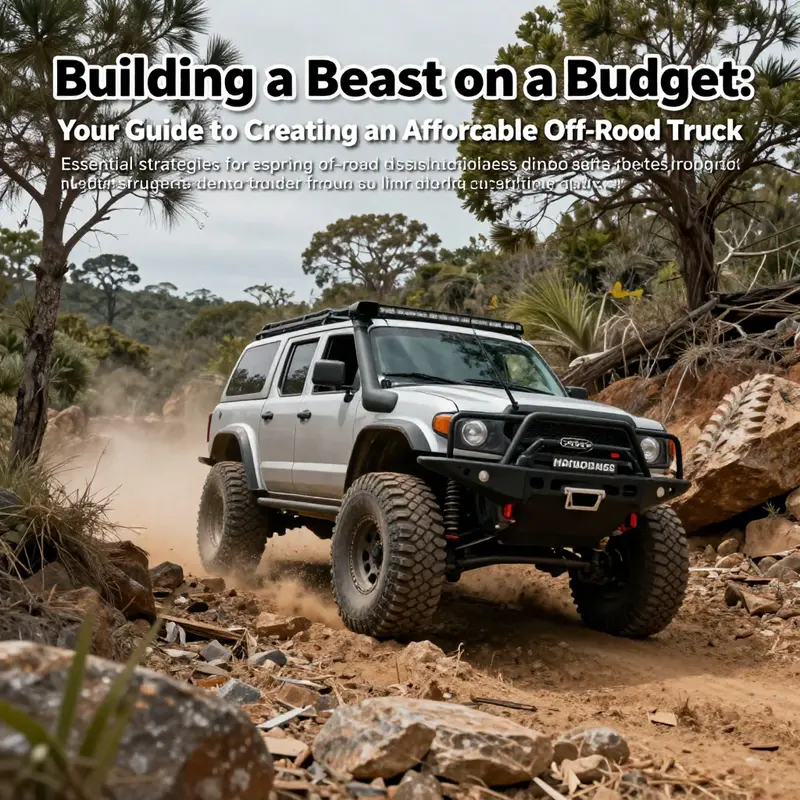
For off-road enthusiasts and adventurers, the thrill of conquering rugged terrains is unmatched. However, building a reliable off-road truck doesn’t have to mean breaking the bank. This comprehensive guide will take you through the essential steps of building a cheap off-road truck that can stand up to the toughest challenges without compromising performance. Each chapter will focus on crucial aspects: selecting the right base vehicle, upgrading suspension systems, and adding essential features to enhance off-road capabilities while staying under budget.
Building a Robust Foundation: Choosing the Right Base Vehicle for Your Off-Road Truck
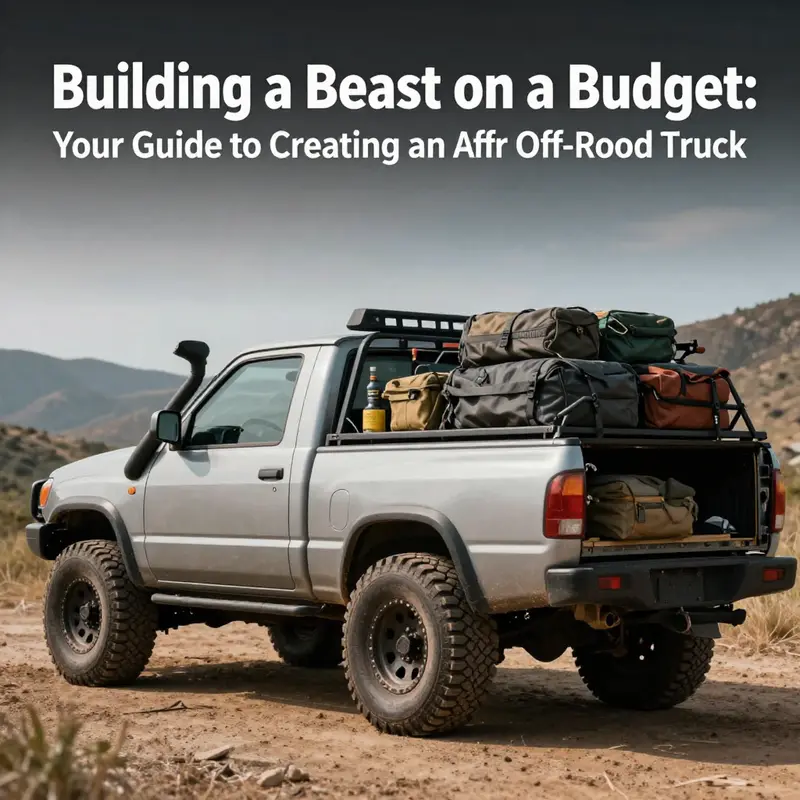
When embarking on the journey of constructing a budget-friendly off-road truck, the selection of an appropriate base vehicle is paramount. This decision not only influences the cost of your project but also dictates its overall performance and reliability in rugged terrains. The goal is to find a vehicle that provides a robust platform, adaptable enough to withstand the rigors of off-road adventures while being easy on your wallet.
In the realm of off-road vehicles, several models stand out as ideal candidates for budget builds. These trucks, such as the Toyota Tacoma, Ford Ranger, and Jeep Wrangler, are renowned for their durability and proven track records in off-road scenarios. Each of these vehicles boasts a sturdy chassis and reliable four-wheel-drive systems, indispensable when traversing tough landscapes.
The Toyota Tacoma, in particular, is an excellent choice. Its reputation for reliability and formidable off-road performance means that it often retains its value well, making used models a viable purchase even several years down the line. When sourcing a Tacoma, aim for older generations; these models typically come with a lower price tag and fewer electronic complexities, thus easing the maintenance burden.
Similarly, the Ford Ranger has garnered a loyal following due to its combination of performance and affordability. An older model of the Ranger, especially those produced in the early 2000s, provides a robust four-wheel-drive system and a sturdy build capable of handling the challenges of off-road terrains. With parts readily available, a Ranger makes for a practical base vehicle that can be easily customized.
The Jeep Wrangler, famed for its iconic design and off-road prowess, stands as another excellent contender. Although often associated with a higher purchase price, there are numerous options for older JK models that fit within a budget. Wranglers are known for their high ground clearance and excellent articulation, which means they can tackle rocky trails where less capable vehicles might falter. However, they can sometimes come with the caveat of being more costly to repair due to their specialized parts and equipment, so it is crucial to weigh these factors carefully.
Evaluating Vehicle Condition
Beyond the make and model, the specific condition of the vehicle you choose is critical. Conducting a thorough inspection is non-negotiable when selecting a base vehicle for your off-road truck. You should check for signs of rust, especially in the undercarriage, and confirm that the frame is intact without major repairs. Definitively, vehicles subjected to harsh conditions may show signs of wear, which could lead to hefty repair bills in the future.
Work with a qualified mechanic familiar with off-road vehicles if you’re unsure about an inspection. They can help identify any potential hidden issues that might not be immediately visible during a casual inspection. Additionally, asking for a detailed maintenance history and ensuring no major repairs have been needed can provide insight into the vehicle’s reliability.
Price Comparisons and Market Trends
Understanding local market trends is essential when looking for a cost-effective vehicle. Prices for the aforementioned models can vary drastically depending on your geographical location. To get the best deals, take time to research prices in various regions and compare listings on online marketplaces. Websites dedicated to vehicle sales often list multiple options, allowing you to spot a good deal among many.
In addition to traditional platforms, don’t overlook community resources like classified ads or local auto forums. Sometimes the best deals can be found through word-of-mouth or local group listings, where private sellers might offer their vehicles at lower prices than commercial dealers.
A Closer Look at Powertrains
When considering models, take into account the type of engine as well. Diesel engines have become a favorite among off-road enthusiasts due to their torque and efficiency. Models like the Isuzu D-Max with a diesel engine can often be sourced for a modest price and offer the advantage of better fuel economy and longer life expectancies. On the other hand, gasoline engines are generally cheaper to repair and maintain, which could save you costs in the long run.
As you pursue your options, keep a close eye on vehicle mileage, aiming for models that have been driven less—ideally below 150,000 kilometers for older trucks. High mileage not only increases the likelihood of engine wear but also can indicate other potential issues that arise from extended use in demanding conditions.
Insurance Factors
Once you’ve settled on a candidate, don’t forget to calculate insurance requirements. Different models come with variable insurance premiums based on their performance classifications and pre-existing repair histories. It would be wise to gather quotes from multiple providers to understand the annual costs associated with your desired vehicle, ensuring the overall financial outlay remains within your budget.
Final Thoughts
Ultimately, the journey of creating your off-road truck starts with choosing the right base vehicle. A well-chosen model not only enhances your off-road experience but dramatically influences the overall satisfaction with your project as a whole. Whether opting for a Tacoma, Ranger, or Wrangler, evaluate your selection based on durability, reliability, and price. By making informed decisions grounded in thorough research and inspection, you can lay a strong foundation for your off-road adventures while remaining financially savvy. This approach not only permits you the freedom to explore off the beaten path but also gives an exhilarating sense of accomplishment as you transform a humble vehicle into a powerful off-road machine.
For further insights on building your off-road vehicle, including additional choices and customization options, you can refer to the following guide: Car and Driver – Jeep Wrangler Review.
Armed with this foundational knowledge, you’ll be well-equipped to venture into the world of DIY off-roading with enthusiasm and confidence.
Transforming Your Budget Truck: Suspension Upgrades for Off-Road Excellence
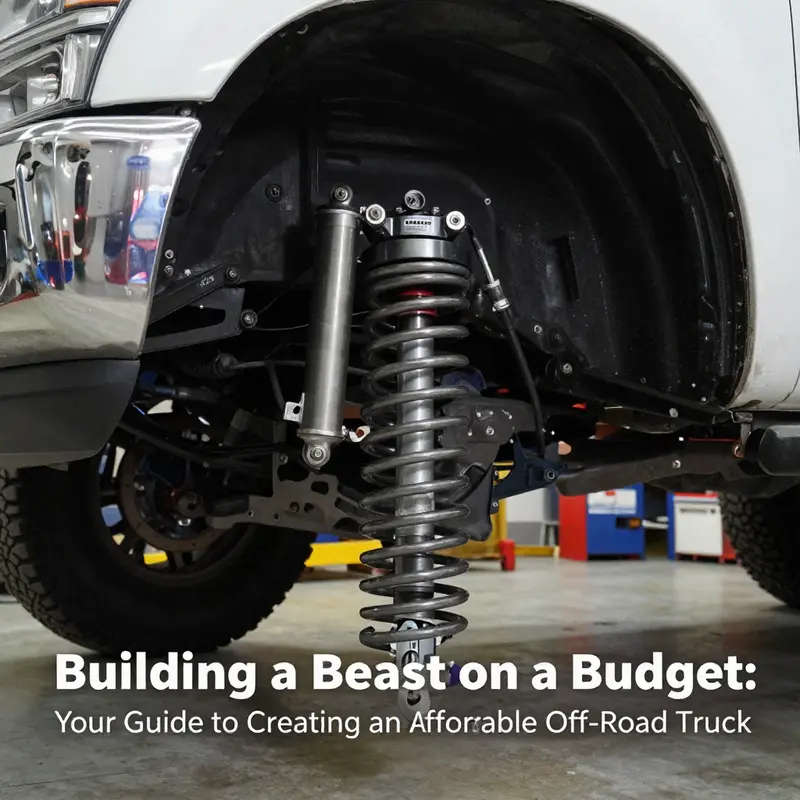
Upgrading the suspension system of a budget-friendly off-road truck is a practical and cost-effective way to significantly enhance its capability for tackling rough terrain. While high-end trucks come with robust factory suspensions, many affordable models rely on comfort-oriented setups that compromise ground clearance and durability under heavy loads or extreme conditions. The good news is that targeted modifications can transform these trucks into capable off-road machines without breaking the bank.
One of the foundational upgrades you can make involves the shock absorbers. Many stock systems simply aren’t equipped to handle the demands of off-roading, leading to discomfort over bumps and reduced handling stability on uneven surfaces. Replacing these with heavier-duty, performance-oriented units can make a world of difference. For budget-conscious enthusiasts, mono-tube gas-charged shocks are an excellent starting point. These shocks use pressurized gas to reduce foaming and fade during prolonged or intense use, providing more consistent damping and better control over bumps and impacts compared to standard hydraulic shocks. Brands such as Rancho, Skyjacker, and Bilstein offer reliable and affordable options in this category.
For even greater flexibility, consider adjustable shocks, which allow you to fine-tune the damping force based on driving conditions—softer for daily commuting and stiffer for rock crawling. This adaptability makes them a smart investment for a versatile off-road rig while remaining budget-friendly.
Increasing ground clearance is another critical component in off-road suitability. A common and economical approach is to install a two-inch leveling kit or a one to two-inch coil spring lift. These kits typically consist of spacer pads or modified springs to raise the front end of the truck, improving the approach angle and preventing the front bumper from scraping on obstacles. However, for a more substantial lift, options such as a body lift kit—which raises the chassis relative to the frame—or a full suspension lift can be used, though these require more extensive modifications and can be costlier. For a budget build, a modest two-inch lift often provides the best balance of cost and benefit.
In addition to lifts and shocks, there’s the option of adding auxiliary springs to prevent sagging when you’re carrying heavy loads. For trucks with leaf spring suspensions, adding helper leafs or a ‘spring helper’ is a low-cost strategy that can dramatically increase load-carrying capabilities while maintaining ride height. For models with coil spring systems, consider installing polyurethane or rubber isolators to support the main spring and reduce deflection under load.
After any substantial suspension modification, performing a proper wheel alignment is crucial. The act of raising the truck alters the geometry of the suspension components, which can lead to uneven tire wear and poor handling if not corrected. Always have a professional alignment performed post-modification to ensure safety, optimized tire life, and improved performance.
If you’re looking for further technical knowledge on shock absorber types and their impact on vehicle dynamics, resources like the comprehensive guide titled How Shock Absorbers Work from Autocar can be incredibly useful. Insisting on creating a capable off-road vehicle while sticking to a budget may seem challenging at first, but with the right upgrades and informed decisions, it’s entirely achievable. The world of off-roading can open doors to adventure, camaraderie, and unforgettable experiences, all originating from that humble truck you’ve equipped for whatever terrains lie ahead.
Enhancing Your Budget Off-Road Truck: Essential Upgrades for Performance and Safety
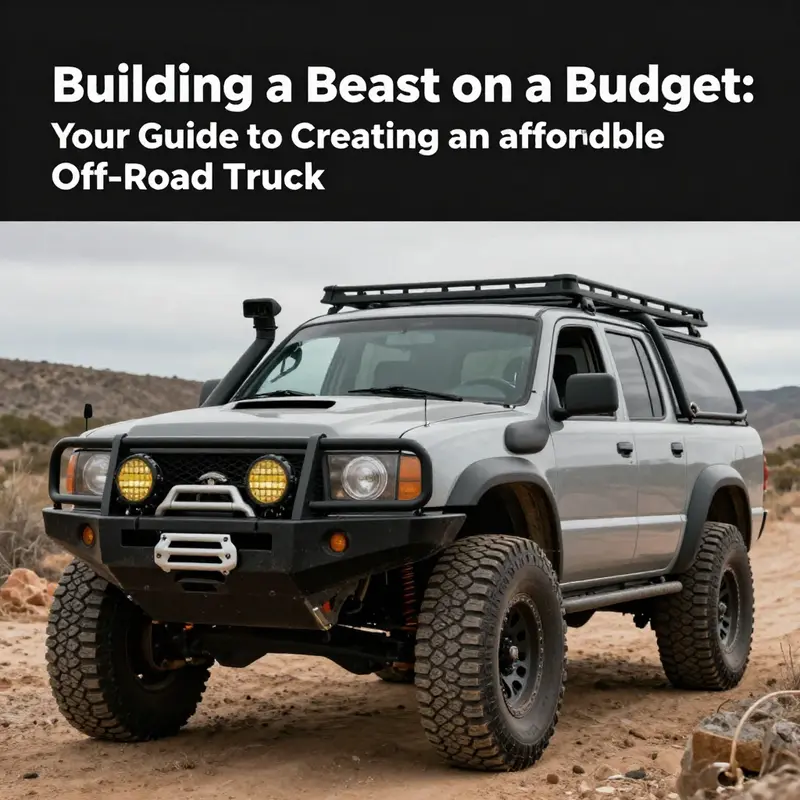
Building a capable off-road truck on a budget is not just a financial challenge; it’s an exciting journey to transform a standard vehicle into an adventure-ready machine. Once you’ve selected the right base vehicle—be it a used micro truck, pickup, or light-duty truck—the next crucial step lies in enhancing its capabilities with essential upgrades. The focus here is on high-impact modifications that provide significant value without breaking the bank. Let’s dive into some key upgrades that can elevate your off-road experience while maintaining your budget.
The Right Tires and Wheels
One of the foremost upgrades for any off-road vehicle is its tires. The stock tires often found on budget trucks do not adequately provide the grip needed for more challenging terrains. Replacing them with quality all-terrain (AT) or mud-terrain (MT) tires will dramatically improve traction, stability, and overall performance when navigating through mud, sand, or rocky pathways. Look for well-reviewed brands that offer durable options without premium prices. A complete set of AT tires can typically be found for around $600 to $1,000, depending on the size and specs you choose. Pairing these with rugged steel wheels or light alloy wheels, specifically designed for off-roading, is another excellent investment to enhance both durability and aesthetics.
Suspension Systems and Lift Kits
The stock suspension on most budget vehicles is often insufficient for the demands of off-road driving. Upgrading to a more robust suspension system not only improves the comfort level during rides but also increases ground clearance, enabling the truck to tackle larger obstacles more confidently. A moderate lift kit—typically in the range of 2 to 3 inches—strikes a good balance by avoiding the extreme modifications that can strain your budget or vehicle integrity. Reputable brands like BDS Suspension or Rough Country offer lift kits that can range between $500 to $1,500 depending on the complexity of the installation and the components included.
When selecting a lift kit, consider options that utilize coil-over shocks or upgraded leaf springs for better support and shock absorption. Because you’re focusing on a budget build, aim for a lift kit that accommodates larger tires while enhancing stability and shock absorption.
Protection and Safety Features
Off-roading comes with risks, and ensuring your vehicle is equipped with adequate protective features is essential. Start with robust front and rear bumpers. A bumper designed to accommodate a winch is invaluable—not only for self-recovery but also for assisting your friends and fellow off-roaders. Installing a winch can be a relatively low-cost modification that serves numerous purposes on the trails.
Furthermore, consider adding a roll cage if your adventures might take you into rough environments where rollovers are a possibility. Many manufacturers offer ready-made kits that can be installed in just a few hours at a professional shop for approximately $800 to $1,200. This investment enhances your safety significantly.
Additionally, arm your truck with skid plates for the engine, transmission, and fuel tank. These protective plates shield vital components from damage due to rocks, logs, and other trail debris, ensuring that your truck remains operational through the toughest conditions. Skid plates can be homemade or purchased as a set, catering to various budgets while providing necessary security.
Essential Recovery Gear
No matter how well-prepared you are, getting stuck is a part of off-road adventures. What distinguishes a smart off-roader is their preparedness for such eventualities, which requires a well-curated toolkit of recovery gear. Start with a heavy-duty recovery strap or snatch strap, which can effectively pull your truck out of mud or across sandy patches. A quality winch is another critical piece of equipment; look for models rated at least 9,500 lbs to ensure it can handle your truck’s weight safely.
Recovery boards are also highly beneficial—these durable, rigid boards help provide traction when your tires have sunk into soft ground, making the difference between getting stuck and getting out. Combining these tools enables you to tackle unforeseen challenges effectively and confidently.
Enhancing Visibility with Lighting
Visibility can quickly diminish in off-road situations, especially during nighttime excursions. Installing auxiliary LED lights can transform your nighttime drives, providing a wide range of light output that stock headlights simply cannot match. Whether you opt for a light bar on the roof or additional spotlights mounted on the front bumper, effective lighting is essential for navigating tricky trails in the dark. Depending on the setup you choose, a single LED light bar can range from $150 to $300, making it a worthwhile investment for enhanced safety.
Building a Comfortable Interior and Living Setup
Finding balance during long off-road trips often means creating a comfortable interior space that meets your basic needs. Instead of splurging on expensive camper setups, consider a DIY approach to constructing an affordable sleeping and storage area inside your truck. Use reclaimed wood for a lightweight sleeping platform paired with foam pads to ensure comfort.
Consider adding compact solutions for cooking and food storage, such as a small propane stove and a battery-powered fridge, which keep meals easy and fresh during your adventures. Energy-efficient appliances paired with a foldable solar panel provide a budget-friendly way to power your devices and lights, allowing you to enjoy the off-road lifestyle without sacrificing comfort.
Final Thoughts on Your Budget Build
The key to building your cheap off-road truck is to remain focused and disciplined. Start with essential upgrades that enhance functionality and safety, rather than attempting to tackle everything at once. Prioritize gradual enhancements, perhaps beginning with tires and lights before moving onto more complex upgrades like suspension systems or recovery gear. By intertwining clever sourcing with hands-on skills, you can steadily develop your vehicle into a capable off-road machine.
Each upgrade creates not only a more robust truck but also enriches your experiences on the trail. Document every part used, every modification undertaken, and share your insights with others in budget off-roading communities. This documentation not only becomes a personal reference for future builds but also enhances your skills, adding to the collective knowledge of fellow enthusiasts. When well-prepared with a budget-minded approach and a spirit of innovation, the trails await you with endless possibilities for exploration and adventure.
For more detailed guides and resources on enhancing your off-road vehicle, an excellent starting point is Four Wheeler magazine: Four Wheeler – Off-Road Resources and remember, adventure is as much about the journey as the destination.
Final thoughts
Embarking on the journey to build an affordable off-road truck is an exhilarating challenge, one that combines creativity, resourcefulness, and a passion for adventure. By choosing the right base vehicle and upgrading essential components like the suspension system and other accessories, you can achieve a capable off-roader that meets your needs and fits your budget. Keep in mind that perseverance and thorough planning will lead you to success on any trail you dare to conquer. Adventure awaits—get started on your off-road trucking journey now!