

For the true off-road enthusiast, the ability to conquer any terrain is non-negotiable. Whether you’re navigating rocky trails or slogging through mud pits, having a properly equipped truck can make all the difference. Upgrading your off-road truck involves more than just aesthetics; strategic modifications can significantly enhance performance, stability, and safety. In this exploration, we will delve into core modifications – suspension enhancements, tire selection, chassis protection, and winching systems – each vital for elevating your vehicle’s off-road capabilities. Understanding these elements holistically ensures you are prepared for any adventure that lies ahead.
Elevating Performance: Essential Suspension Modifications for Off-Road Trucks
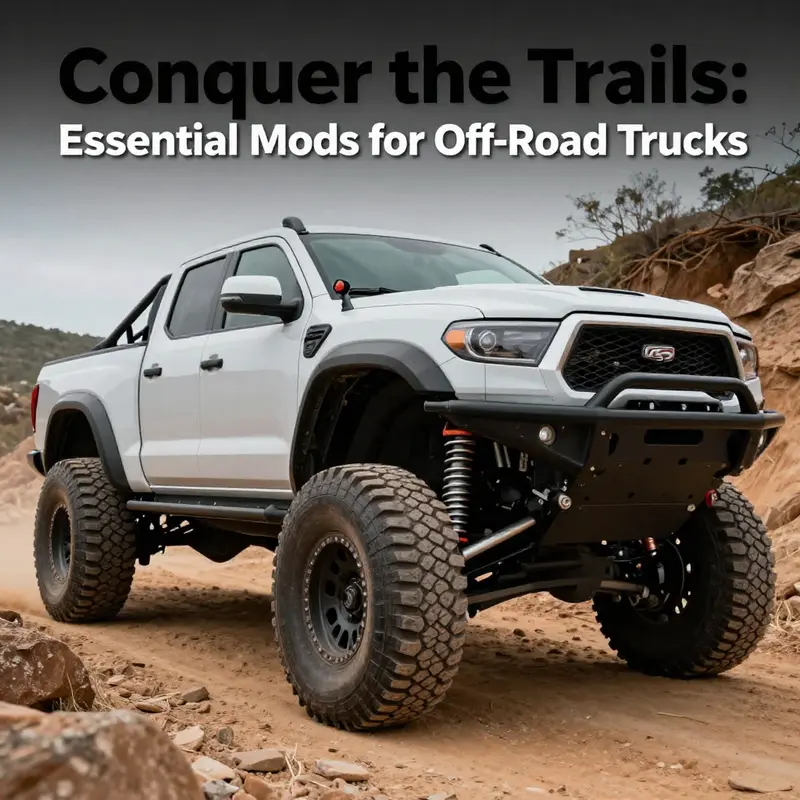
When it comes to enhancing the performance of off-road trucks, few modifications hold as much weight as those related to the suspension system. The suspension not only determines how a vehicle handles the rugged terrain but also plays a pivotal role in comfort and stability. Properly configured suspension can make the difference between a truck that navigates challenging trails with ease and one that struggles over bumps and potholes. This chapter delves into the essential suspension modifications that transform your truck into an off-road powerhouse.
Lift Kits: Foundation of Off-Road Capability
At the heart of most off-road modifications is the lift kit. Installing a lift kit boosts ground clearance, allowing for larger tires and facilitating easier passage over uneven surfaces. Lift kits typically offer increases ranging from 2 to 6 inches, catering to different vehicle types and uses, enhancing not just aesthetics but also functionality. A well-balanced lift ensures that your truck maintains its stability while navigating through rocks, logs, and treacherous trails, without the risk of bottoming out.
Selecting the right lift kit can be daunting, given the myriad options available, each suited for specific needs. Whether choosing coil springs, leaf springs, or air suspension systems, proper research is crucial. Resources like 4x4Wire provide detailed insights on how to choose the correct lift height and type based on your truck model. The right lift kit lays down the groundwork for all subsequent modifications, enhancing your truck’s off-road prowess.
Heavy-Duty Shocks: Control and Stability
While lifting your truck is significant, upgrading to heavy-duty shocks is equally critical. Stock shock absorbers often falter under the rigors of off-road conditions, leading to inadequate performance and discomfort. By transitioning to performance shocks from credible brands, you can enhance damping control significantly. Shocks that allow adjustments ensure that your truck maintains better contact with the ground, improves overall ride quality, and provides safety during extreme maneuvers.
The choice of shocks can greatly impact your truck’s on-road delicacy and off-road ferocity. Extensive evaluations from sources like Off Road Magazine detail the benefits of different shock absorber types and how their construction affects longevity and performance. Choosing the right shocks not only affords you superior control but also boosts stability, enabling your truck to deftly handle bumpy trails and rugged landscapes.
Upgraded Control Arms and Track Bars
Another vital component in optimizing your truck’s handling and suspension geometry is the installation of upgraded control arms and track bars. Stock components can bend under stress during off-road conditions, leading to compromised vehicle dynamics. Aftermarket control arms, made from high-strength materials, enhance articulation and reduce flex. This enhancement allows for improved handling, ensuring that your tires grip the ground effectively, particularly when traversing rocky or uneven terrains.
Track bars, often overlooked, are essential for maintaining axle alignment, which is critical during significant lifts. Investing in quality control arms and track bars guarantees that your truck’s suspension can withstand the demands of rough terrains while improving overall driving experience. Technical resources such as 4x4Wire discuss how varying designs of control arms can impact performance and provide practical advice on installation and selection.
Differential and Axle Reinforcements
Strengthening the axles and differentials is vital for those who take their off-roading seriously. Upgrades in axle shafts and differential covers can help withstand the pressures exerted by challenging environments. High-torque situations, such as muddy paths or steep inclines, may require locking differentials. By using mechanical or electronic locking differentials, both wheels can receive equal power and maintain traction without slippage. This feature maximizes your truck’s capabilities in sand, mud, or snow—ensuring that no matter the terrain, your truck is equipped to conquer it.
Many enthusiasts find themselves puzzled over the best way to reinforce their vehicle’s drivetrain, but guides available online, including 4x4Life’s detailed analysis of lockers, make the decision-making process clearer. They outline the advantages of limited-slip versus locking differentials, helping drivers identify which system aligns best with their off-road ambitions.
Tire and Wheel Upgrades: The Final Piece
While suspension components are crucial to a truck’s performance, no modification is complete without considering the tire and wheel setup. Larger tires, typically ranging from 33 to 37 inches, require corresponding upgrades to the suspension to prevent issues such as rubbing and steering geometry problems. Choosing the right wheels—those with an appropriate offset and backspacing—is essential to maintaining the integrity of your truck’s design and performance.
Investing time in selecting tires enhances traction and performance on various surfaces, effectively completing your truck’s off-road transformation. The proper pairing of tires with a full suspension upgrade not only avoids potential drivetrain strain but also ensures that your off-roading experience is enjoyable and effective. Resources like Tires.com simplify the complex task of tire and wheel selection, providing a step-by-step guide that aids in making informed decisions.
Conclusion of Suspension Transformations
The combination of lift kits, heavy-duty shocks, upgraded control arms, differential reinforcements, and premium tires coalesces to create a truck that is not just modified but truly capable. Thoroughly researching quality parts and considering professional installation is paramount to ensure safety and durability in every off-roading endeavor. Testing your modified vehicle in controlled conditions is advised before tackling extreme terrains, offering an opportunity to fine-tune settings and ensure optimal performance. As you make these modifications, remember that each component plays a vital role in the overall functionality, transforming a stock truck into an off-road titan.
Choosing the Right Tires: Essential Modifications for Off-Road Trucks
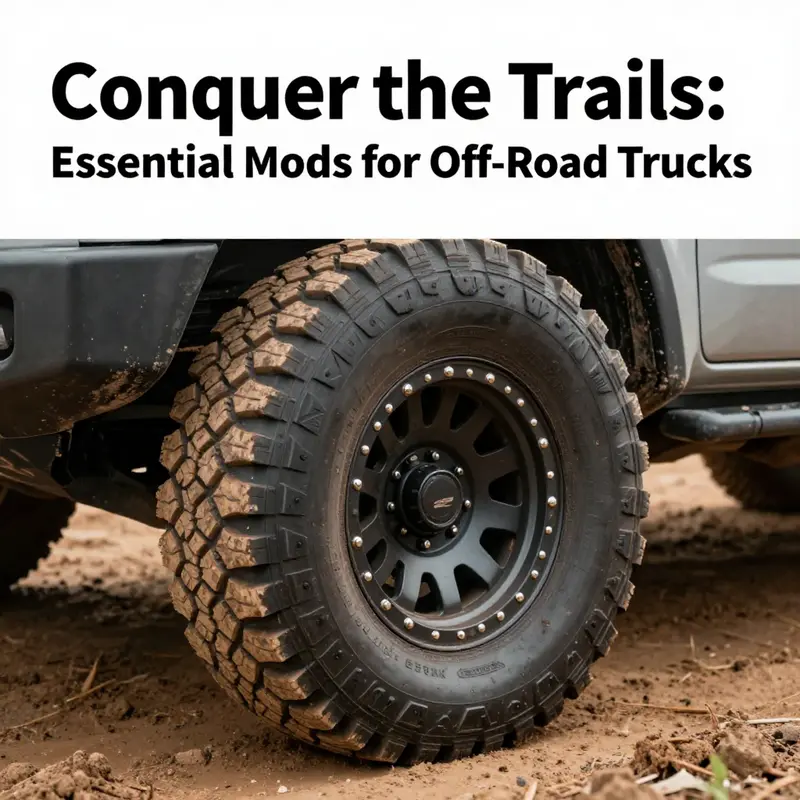
Selecting the appropriate tires for off-road trucks is a decision that significantly influences performance, safety, and overall enjoyment of your off-road adventures. The right tires offer enhanced traction on varied surfaces while supporting durability under demanding conditions.
Tread patterns and their importance: Tires designed for harsh conditions often feature aggressive tread patterns that improve traction and self-cleaning capabilities. Wide voids between lugs help the tire find grip in loose materials and shed mud as you navigate obstacles. For extreme off-road conditions such as rock crawling or deep mud, choose deeper treads and reinforced sidewalls.
Material composition and sidewall strength: High-quality tires use reinforced rubber compounds to resist cuts, punctures, and abrasions. Robust sidewalls protect the tire from sharp rocks and other hazards. A higher ply rating can add protection but may reduce the contact patch and traction on some surfaces, so balance is key based on your driving style.
Types of tires for off-roading:
- All-Terrain Tires: versatile for highway and unpaved trails, with moderate tread depth and a balance of traction.
- Mud-Terrain Tires: excel in mud and loose soil but can be noisier on pavement and may reduce fuel efficiency.
Managing tire pressure for performance:
Adjusting tire pressure changes your footprint and grip. Lower pressures improve flotation in sand or mud but can increase the risk of bead damage if overextended on pavement. Many off-roaders carry air compressors and TPMS to monitor pressure.
Infrastructure for tire stability:
Beadlock wheels help secure the tire at low pressures and reduce bead failures on rough terrain. Run-flat tires provide mobility after a puncture in remote areas, though they have trade-offs in weight and cost.
Choosing wisely for future adventures:
Define your primary activities and terrain, then select tires that emphasize the corresponding traits. Use manufacturer guides and reputable off-road resources to compare tread designs and performance.
Fortifying Your Off-Road Truck: Essential Chassis Protection Upgrades
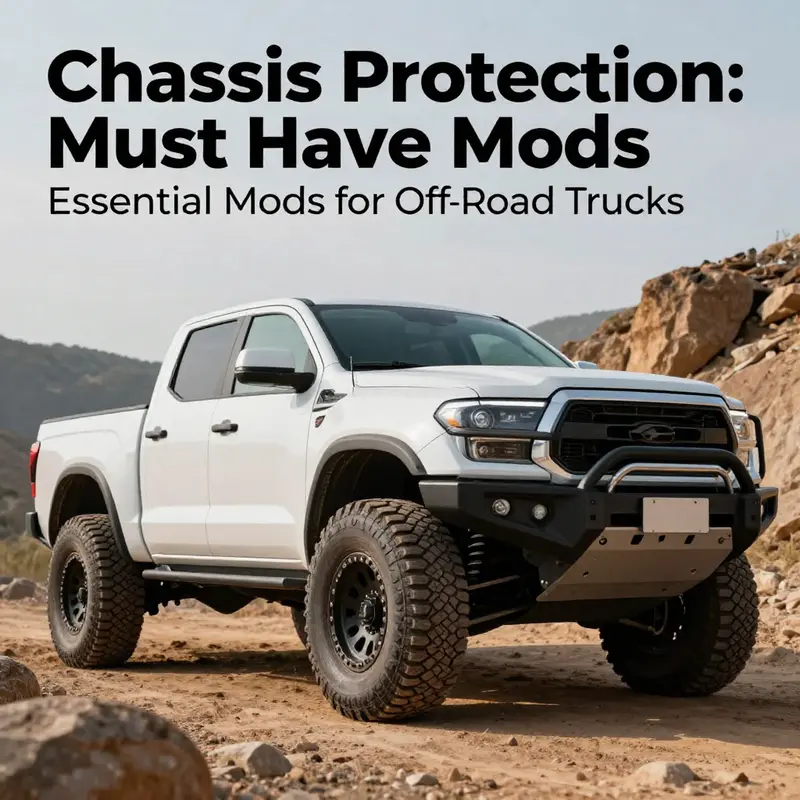
When venturing off the beaten path, the durability of your truck is not just a matter of performance; it is a matter of survival in harsh and unpredictable environments. Your vehicle’s chassis is akin to its backbone, supporting everything from the engine to the drivetrain, and it is critical to fortify this area against the elements and obstacles you may encounter. Chassis protection is not merely an enhancement; it is a must-have investment for any serious off-road enthusiast. In this chapter, we delve into the essential upgrades that can drastically improve your truck’s resilience against the rigors of off-roading.
One of the most crucial components of chassis protection is the installation of skid plates, often referred to as underbody armor. These robust metal plates are strategically mounted beneath the truck’s frame, protecting vulnerable areas including the engine, transmission, and fuel tank. The terrain encountered during off-roading can be littered with sharp rocks and debris that pose a significant risk to the undercarriage. By equipping your vehicle with high-quality skid plates made from high-strength steel or aluminum, you create a formidable barrier that shields your truck from impacts and abrasions. Beyond protection, these plates can enhance the vehicle’s ground clearance, allowing for better maneuverability across uneven surfaces.
In addition to skid plates, a solid investment includes chassis reinforcement kits. These kits are designed to add structural integrity to your truck’s frame through cross-bracing and additional supports. Off-roading can subject your vehicle to extraordinary stress, with temperatures and forces that can cause the frame to flex and twist. This flexing can lead to long-term damage that decreases handling capability and shortens the lifespan of your vehicle. By reinforcing the chassis, you mitigate these risks, ensuring that your off-road adventures do not result in potentially catastrophic failures.
Considering the front and rear ends of your vehicle, bumper protection plays an essential role in chassis safety. Heavy-duty bumpers, particularly those with integrated skid plates, offer both protection and a rugged aesthetic that most off-road enthusiasts appreciate. These bumpers are designed to absorb impacts during collisions with obstacles, minimizing the risk of damage to critical components such as the radiator and fuel system. Opting for bumpers that are built to handle extreme conditions not only enhances the durability of your truck but also contributes to the overall safety of your off-road experience.
Another aspect that should not be overlooked is the installation of oil pan guards. The oil pan is one of the most vulnerable components of your vehicle, particularly when traversing low-clearance obstacles like rocks or deep ruts. Without proper protection, any direct impact could cause leaks or even catastrophic pan failures, leading to costly repairs and potential engine damage. An oil pan guard acts as a protective shell, ensuring that this vital component remains intact and operational, even in the most challenging conditions.
To round out your chassis protection upgrades, consider adding frame rails and side skirts. These modifications provide lateral protection that is essential when navigating through narrow trails or driving through thick brush. Side impacts can be equally damaging as direct hits from below, and thus protecting these areas with robust side skirts ensures that critical components are shielded from harm. Moreover, these enhancements can improve overall aesthetics, giving your truck a more aggressive and off-road-ready appearance.
While the hardware associated with these chassis protection upgrades is essential, the effectiveness of your modifications hinges significantly on proper installation and material selection. It is vital to have these components installed by professionals who understand the nuances of off-road vehicles. Poorly fitted or low-quality components can lead to failure at inopportune times, possibly jeopardizing your vehicle’s performance and your safety. Choosing high-grade materials is paramount; they not only enhance performance but also provide peace of mind when navigating treacherous terrains.
Investing in quality chassis protection is a commitment to ensuring that your off-road truck remains dependable, resilient, and ready for adventure. Each of these upgrades works in concert to safeguard your vehicle against the extraordinary challenges posed by the rugged terrains that call to adventurers around the world. Understanding the necessity for these enhancements is crucial for those who desire to push the limits of their vehicles while exploring nature’s wild side. With the right modifications, your off-road truck can continue to carry you through uncharted pathways where others fear to tread.
For additional insights on selecting and installing these crucial upgrades, resources such as 4x4Australia.com.au – Chassis Protection Guide can provide expert advice and guidance tailored to enhance your off-road adventures. As you prepare your truck for the rugged experiences that await, remember to focus on building a foundation of protection that will serve you well, navigating everything from sandy dunes to rocky mountain trails.
Harnessing Power: The Essential Role of Winches in Off-Road Truck Modifications
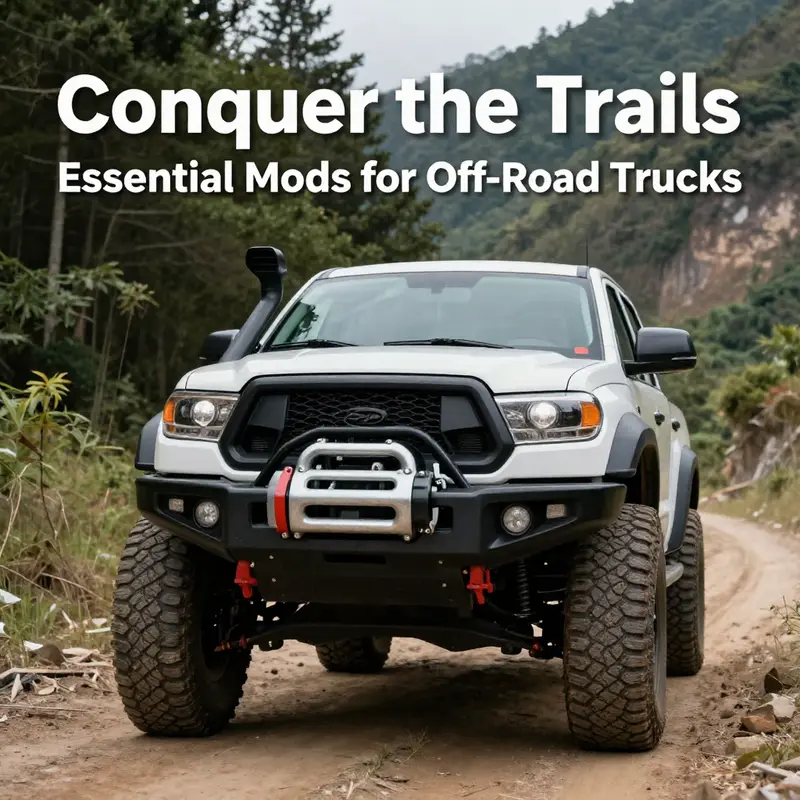
When venturing into the wild terrains that off-road trucks are designed to conquer, one accessory stands out among the essential modifications: the winch. This powerful tool transforms your vehicle from a capable off-roader to a resilient warrior against the unforgiving elements of nature. To ensure you are well-equipped for any off-road challenge, understanding the importance of a winch, its various types, and the best practices for its installation and use is paramount.
Winches are not just helpful; they are often lifesavers in off-road scenarios where environmental conditions can change rapidly, and vehicles can become stuck in treacherous situations. Think of the last time you saw a 4×4 vehicle helplessly bogged down in mud, or perhaps a truck teetering on the edge of a slope. In these situations, a winch serves as an indispensable tool, transforming a frustrating experience into a manageable one. With a correctly mounted and properly rated winch, you can pull your vehicle out of challenging circumstances or assist others in distress.
When selecting a winch, factors such as recovery needs, vehicle size, and the terrain come into play. For everyday off-roading and light recovery tasks, hydraulic winches can be an excellent choice. These winches harness the power of the vehicle’s existing hydraulic system, providing a steady and reliable power output. This makes them particularly valuable in regular off-roading situations, ensuring you have the muscle needed without overcomplicating your setup.
However, the landscape changes when heavier, more demanding off-road activities are involved. Applications like logging, construction, or extensive trail recovery require more robust solutions, such as a 3-ton (6,000 lb) or larger electric winch. A widely favored option among off-road enthusiasts is the 9,500 lb capacity electric winch. These are not merely about pulling weight; they are designed for durability, reliability, and sustained power in the face of extreme conditions. Whether you’re hauling yourself out of water-logged terrain or hoisting logs for a campsite, the right winch will ultimately make all the difference.
One critical aspect of winch installation rests on how the winch is mounted. The most straightforward approach is a bumper-mounted winch. This configuration allows for an effortless installation while retaining your truck’s stock bumper. Not only does this preserve the vehicle’s original aesthetics, but it also provides easy access to the winch for operation and maintenance, an essential aspect when you’re in the field. When deciding on mounting options, ensure that your selected winch meets industry standards regarding load capacity and safety ratings, safeguarding you against mechanical failure under pressure.
The synergy of various upgrades alongside a winch enhances its performance and longevity. A reinforced winch bumper is a highly recommended accessory that provides additional protection against impacts when navigating rough terrain. This not only safeguards the winch itself but also adds structural stability, ensuring that your truck can handle the stresses of off-road recovery tasks.
Further protection comes in the form of a protective skid plate. This addition shields the winch against debris and potential impacts, significantly prolonging its functional life. Off-road adventures often expose your truck to mud, rocks, branches, and other hazards that can result in wear and tear. With a skid plate guarding the winch, you’ll ensure that it remains operational when it matters most.
Another integral upgrade involves the type of winch rope you choose. Traditional steel cables have long been the industry standard, yet they come with their disadvantages. They are significantly heavier and can recoil dangerously if they break, posing a risk to those nearby. Switching to a high-quality synthetic rope presents a lighter alternative that not only makes handling easier but also enhances safety. Synthetic ropes are less likely to cause injury due to snapping, and they resist abrasion well, making them more suited to off-road environments. Not only will the performance improve, but the overall handling in rugged terrains also becomes more efficient.
Beyond the basics of winch selection and installation, education is vital for effective operation. Winching is an art that combines understanding the tool’s strengths with working in harmony with your environment. Proper technique can minimize risks—such as towing with a strain that’s too high or failing to secure the winch correctly to your vehicle. Familiarizing yourself with recovery processes, such as using a tree saver strap or understanding winching angles, can make the difference between a smooth recovery and a troubling ordeal.
Each time you go off-roading, the sheer unpredictability of nature means that having a winch equipped on your truck—and knowing how to use it—provides a reassuring safety net. The confidence that comes from knowing you can extricate yourself from precarious situations, or lend a hand to fellow adventurers, fosters a more enjoyable experience amidst the wild.
Through rigorous preparations including winch selection, understanding mounting options, implementing protective mods, and practicing safe winching techniques, you can be ready for the exciting unpredictability of off-road adventures. As you forge your path through untouched territories, remember that while your truck’s capability is paramount, the tools and enhancements you choose will be what ultimately empowers your explorations.
For a deeper dive into essential accessories and modifications for off-road vehicles, including insights into winch selection, check out this guide: How to select the best winch for your 4×4 | Warn Winch.
Final thoughts
Equipping your off road truck with the right modifications is not only about improving performance; it’s about ensuring safety and confidence in challenging environments. Upgrading your suspension system enhances stability, while the right tires offer confidence on varied terrains. Protecting your chassis with durable safeguards prevents costly damage, and the installation of a winch turns potential disasters into manageable setbacks. These modifications combine to create a formidable off-road vehicle that can handle whatever nature throws your way. Prepare your truck today and embrace the wild beyond with unmatched courage and capability.