
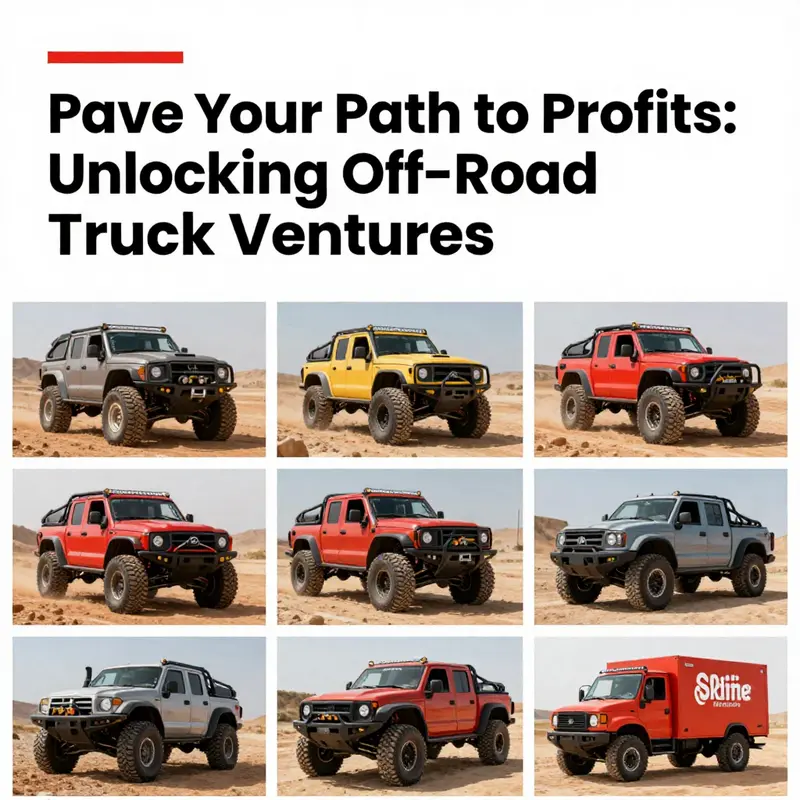
Off-road trucks aren’t just vehicles; they are gateways to earning opportunities. For enthusiasts, racing fans, rural landowners, and modification shops, this rugged domain offers multiple ways to generate income. As we venture deeper into this article, discover how to monetize your off-road truck through thrilling guided tours, targeted equipment rentals, reliable workforce support, and unparalleled freelance delivery services.
null

null
Rugged Revenue: Turning Off-Road Truck Rentals into Profitable, Adventure-Fueled Income

A truck that can conquer rough terrain is more than a machine; it’s a platform for possibility. In markets where remote work sites, film crews, disaster response teams, and outdoor enthusiasts crave reliable access to rugged terrain, your off-road rig can become a steady income stream. The core idea is simple but powerful: rent the equipment for defined periods, pair it with high-value services, and build a brand that people trust to deliver safety, reliability, and a memorable experience. When you treat the vehicle not just as a car but as a service package, revenue multiplies. The best operators blend direct rental with bundled offerings that address real needs—whether a desert trek, a remote filming day, or a site survey in unmapped country. This approach reduces risk and increases profit because you’re selling more than wheels; you’re selling options, support, and assurance in challenging environments.
Direct equipment rental sits at the heart of this model. Platforms that specialize in off-road experiences and vehicle sharing simplify payments and insurance, letting you focus on selection, safety, and timing. The most successful owners curate a small, well-maintained fleet with clear, consistent maintenance schedules and transparent condition reports. Before a vehicle hits the road, it undergoes a thorough pre-trip inspection. Tires, winches, recovery gear, lights, and fuel systems must be checked. Inside, safety gear is visible and organized. These visible practices build trust. Customers want to know that when they roll into a canyon, a desert floor, or a muddy forest trail, the truck will perform and return without drama. Your documentation—photos of the vehicle’s condition, a rider’s manual for off-road use, and a straightforward liability release—becomes as important as the vehicle itself.
Platforms like dedicated rental marketplaces or your own booking channel handle payments, insurance, and customer screening, reducing your operational burden. If you lean into your own website, you can control the narrative, show off rugged capabilities, and share authentic field stories. High-quality imagery matters: a truck in action on a rocky slope, a camper setup ready for a chilly night, or a vehicle equipped with recovery gear at the ready. These visuals translate into premium pricing and repeat bookings. It’s not enough to advertise a vehicle; you must communicate the value of reliability in remote environments and the peace of mind that comes with professional support. You can augment this with a straightforward safety brief and optional add-ons that increase the perceived value and protect you against liability.
Beyond the simple rental, there is a natural path to higher margins by offering comprehensive adventure packages. Think of creating all-inclusive experiences that pair the vehicle with a professional guide, fuel, essential camping gear, and a curated route. In practice, this could mean a desert safari, a multi-day mountain traverse, or a forest expedition complete with camp stove meals and emergency communication gear. These bundles justify premium rates because they reduce decision fatigue for the client and assurance for you as the operator. For business clients, you can tailor packages for corporate retreats, team-building events, or proof-of-concept shoots. A “wedding convoy,” for example, could involve multiple vehicles, coordinated arrivals, and on-site support to ensure the event runs smoothly in a rugged outdoor setting. When you package the rental with experienced support, you’re selling time, safety, and expertise—three elements clients value highly and are often willing to pay a premium for.
Another fruitful avenue is specialized equipment rental. Don’t just rent the truck—rent the gear that makes off-road travel feasible and safer. Recovery gear like winches, recovery boards, tow straps, and snatch blocks can be rented alongside the vehicle. Overlanding supplies such as rooftop tents, portable solar generators, extra fuel cans, and off-grid cooking systems transform a bare rental into a complete expedition setup. Protective accessories—heavy-duty rock sliders, bumpers, tire carriers—appeal to owners who want to extend the life of their own vehicles or reduce risk on demanding routes. The advantage here is twofold: first, these items are expensive to buy for one-time users, so customers appreciate affordable access; second, your margins improve because you’re leveraging high-value add-ons that have lower usage costs per rental. Model this carefully with a clear inventory log, maintenance cadence, and a clean, scalable pricing ladder. When a client is comfortable paying for gear—rather than shopping for every piece themselves—you unlock a formidable upsell path.
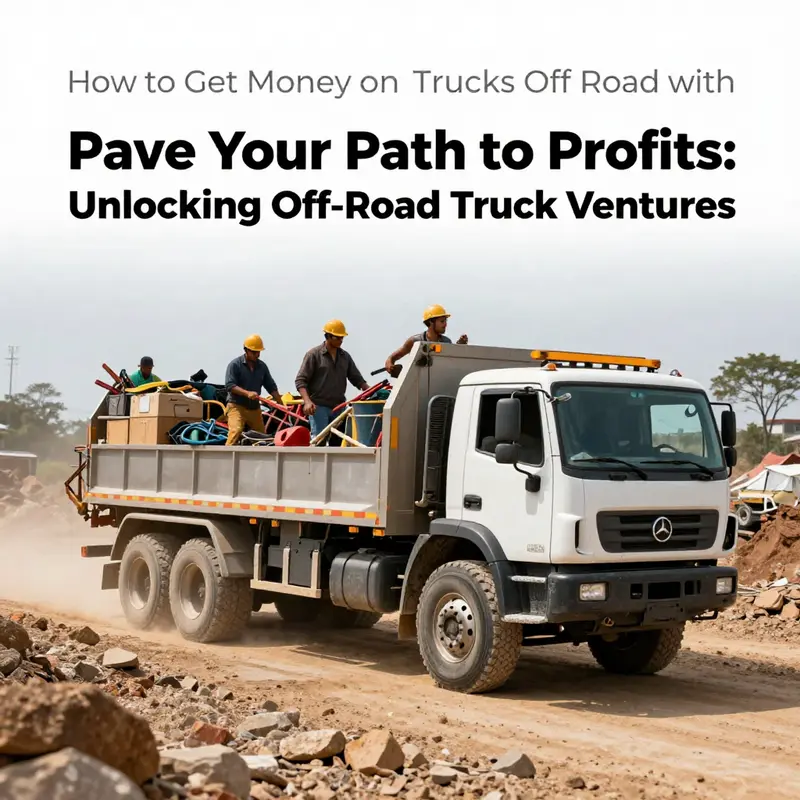
Building B2B contracts adds another dimension of resilience to your business. Film and photography production companies frequently need rugged vehicles for remote location shoots, where conventional transport options are insufficient. Outdoor brands and influencers may require vehicles for product testing or marketing campaigns in challenging terrain. Mining and resource companies often require dependable personnel transport for remote sites. These engagements tend to be longer-term than individual consumer rentals and come with predictable utilization patterns. Negotiating these contracts involves clarity on vehicle availability, maintenance standards, crew safety, incident response, and insurance coverage. In return, you gain steady revenue, better scheduling predictability, and the opportunity to optimize your fleet around core in-demand routes. A productive approach is to maintain a small number of flagship rigs that you know inside and out—vehicles you routinely deploy for these contracts—and reserve other units for consumer rentals to preserve flexibility.
A strong, enduring business in off-road equipment rental also depends on community and brand building. Social channels become your showroom, storytelling platforms, and customer service channel rolled into one. Share not just the glossy outcomes but the day-to-day reality of maintaining rugged machines, preparing routes, and mentoring drivers on safe off-road practices. This transparency attracts serious enthusiasts who value reliability and expertise. A loyalty program can reward repeat renters with discounts, priority booking, or exclusive access to limited-offer gear bundles. Hosting meetups at your facility—short training sessions, trial runs, or show-and-tell events with your equipment—can convert curious passersby into returning customers. The most profitable operators in this space aren’t merely renting; they’re cultivating a brand that travelers, filmmakers, and site crews turn to first when they need dependable off-road mobility.
The operational backbone of this model rests on sound risk management and compliance. Insurance is not optional in off-road rental; it’s a prerequisite. You should work with insurers who understand off-road use, terrain risks, and the nuance of bundled services. Your policy should cover the vehicle, the equipment, and the added components you rent out, including recovery gear and camping gear. Clear terms about who can drive the vehicle, what activities are permitted, and how incidents are handled will save you disputes later. Local regulations may require business licenses, operating permits for guided tours, or specific certifications for guide-led expeditions. Even if you are renting through a platform, you retain responsibility for compliance in your jurisdiction. A robust onboarding process for renters—focusing on vehicle limits, safe driving practices, fuel and recovery procedures, and environmental stewardship—reduces the likelihood of costly mishaps and reputational damage.
Pricing strategy must balance demand with risk and capacity. Flagship vehicles and premium add-ons warrant higher daily rates, but you should also offer value tiers. A basic rental might include the vehicle and essential safety gear, while a mid-tier package includes a guided route, basic camping gear, and fuel allowances. A high-end bundle could add a professional guide, full camping setup, meals, and enhanced insurance coverage. Consider dynamic pricing that responds to seasonality, demand, and special events in your region. If you can demonstrate consistent reliability, customers will be willing to pay extra for guaranteed availability during peak periods. In parallel, implement a straightforward referral program to generate word-of-mouth marketing. A well-structured fleet with a mix of price points makes your business accessible to a broad spectrum of clients while preserving margins for the high-value bookings.
A practical lever you can pull early is to optimize dispatch and fleet management. By organizing scheduling, maintenance windows, and location-based availability, you reduce idle time and maximize utilization. Some operators rely on a dispatch platform to coordinate bookings, vehicle status, and routing. If you’re assessing how to modernize operations, consider the broader advantages of fleet management tools that integrate with your rental channels and insurance platforms. This consolidated approach helps you maintain consistent service levels and monitor performance metrics like utilization rate, average rental duration, and revenue per vehicle. For a concise exploration of how dispatching tools can support a rental-focused operation, many practitioners look to the broader discourse around fleet software and its role in efficiency and profitability. See the discussion on the advantages of fleet dispatching software for a sense of how technology can streamline your processes and protect margins: advantages of fleet dispatching software.
All of these strands—direct rentals, adventure packages, specialized gear, B2B contracts, and brand-building—converge into a resilient business model only when you treat maintenance and customer service as core competencies, not afterthoughts. Regular, methodical maintenance keeps vehicles ready for backcountry work and long expeditions alike. A disciplined cleaning routine, timely replacement of worn parts, and a spare-parts inventory tailored to your most-used platforms prevent avoidable downtime. Safety is a selling point; customers pay for the confidence that comes with knowing the vehicle has been thoroughly checked and serviced before every trip. Your post-trip process should be equally rigorous, capturing feedback, logging any issues, and applying learnings to prevent recurrence. When a client experiences reliable performance and responsive support, they become advocates who book again and spread your reputation across networks where remote crews and adventure seekers intersect.
In this approach, value creation happens at multiple touchpoints. The vehicle is the anchor, but the experience—the guided route, the safety equipment, the reliability of the team, the clarity of the terms, the ease of booking, and the quality of post-rental engagement—drives long-term profitability. By mixing consumer-facing rentals with business-to-business engagements and premium service bundles, you spread risk across different demand streams and reduce dependence on any single revenue source. The result is a fleet that earns not just through miles driven, but through the confidence and consistency you offer to clients who operate where roads end and opportunity begins.
External resources can provide additional context for responsible operation and regulatory alignment. For broader regulatory context, you can consult the U.S. Department of Transportation guidelines on commercial vehicle operations. This external reference offers guidance on safety, compliance, and the framework within which off-road transport services can function professionally and legally: https://www.transportation.gov/.
null
null
Turning Backroads into Paychecks: Freelance Delivery with an Off‑Road Truck
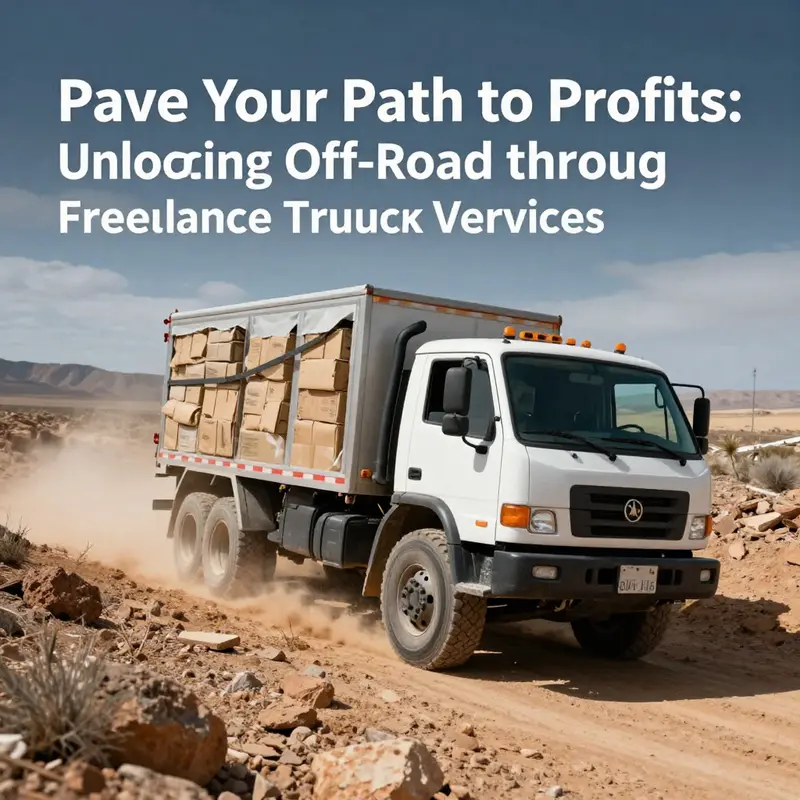
Off-road capability is not just a thrill; it can be the practical edge that turns a quiet rural lane into a steady stream of income. When you own a pickup that can handle rough trails, snow, mud, or uneven terrain, you unlock delivery opportunities that standard routes simply can’t reach. The core idea is straightforward: use your off-road truck to connect remote clients with the goods they need, whether that means hauling furniture to a cabin tucked in the woods, delivering equipment to a mining site, or transporting supplies to a remote farm during harvest. The path to earning money through freelance delivery on off-road trucks rests on three pillars: access to demand, reliable service, and smart operations that keep you efficient and compliant. The first pillar is demand, which comes from recognizing who needs off-road transport and where. Remote construction crews, survey teams, and rural businesses often require timely, flexible transportation that keeps projects moving when standard logistics fail. Homeowners in mountainous regions or desert retreats may need furniture, appliances, or materials delivered to places where roads peter out. In these cases, off-road trucks aren’t a gimmick; they’re a necessity. The second pillar, reliability, means you’re there when the client needs you, in good condition, and with the capacity to handle the job without surprises. The third pillar, smart operations, involves practical choices that protect your earnings, limit risk, and sustain your ability to work over the long term. When you align these elements, you can build a steady stream of freelance delivery work that leverages your off-road investment rather than just collecting dust in a garage.
To begin turning backroads into pay, start with the platforms that connect workers to local tasks. On-demand hauling and delivery apps are designed for people who want flexibility and decent compensation without tying themselves to a single employer. The typical model is simple: you sign up, verify your vehicle and credentials, and then the platform matches you with nearby tasks. The work can range from moving furniture to dropping off equipment, transporting materials, or assisting with logistical handoffs on a remote jobsite. For part-time drivers, enrolling with two or three reputable platforms is often enough to create a reliable paycheck rhythm. The key is to present a clear value proposition: you offer guaranteed access to rugged terrain, the ability to reach sites that others can’t, and a track record of safe, timely delivery.
A practical approach is to tailor your services to the needs most common in off-road environments. For example, in many rural or remote settings, customers require not just transport but also loading and unloading assistance, secure tie-downs, and basic site preparation. If your truck can be equipped with extra straps, recovery gear, and a bed rack for cargo, you become a turnkey solution rather than just the vehicle. That kind of service often commands a premium because it reduces the number of moving parts the client must manage. It also creates opportunities for repeat work. Once a contractor or community organization sees that you reliably get goods to a site on time, they’re more likely to book you again, especially during tight windows like harvest, construction milestones, or disaster-response drills.
But there are realities to manage. Off-road work introduces additional risk, from variable weather to unstable surfaces and longer response times. It’s essential to be honest about what your truck can handle and to communicate any constraints to clients up front. A transparent bidding process, with a clear scope, helps prevent scope creep and protects your margins. When you price, think beyond the base fare. Include per-mile rates adjusted for terrain, a loading/unloading fee if you assist, a wait time allowance for sites with scheduling unpredictability, and a contingency for weather delays. Since many tasks on dirt roads and rough trails are time-intensive, consider minimums that reflect the true effort and fuel used to reach remote locations. You may also explore surge timing—charging higher rates during peak demand or challenging weather periods—so that your compensation aligns with the extra effort you invest.
Insurance and compliance are non-negotiables. An off-road operation carries risks that standard auto policies may not cover. Ensure your vehicle insurance includes commercial use and payload coverage for off-road work. You’ll want appropriate cargo protection, liability coverage, and provisions for hazardous or fragile loads if your routes include specialized equipment or materials. In many jurisdictions, there are specific rules for commercial hauling, even when you’re working through a platform. Take time to understand local regulations or consult a professional who can help you maintain compliance without overpaying for coverage. Having a clear, written agreement with clients about liability, load securement, and site access can shield you from misunderstandings and protect your earnings when pressure mounts on a job.
A steady cadence comes from good operational habits. Pre-trip planning matters as much off the road as it does on it. Before you head out, verify weather along the route, road conditions, and any site access restrictions. Pack an emergency kit with essentials for off-road travel: a spare tire, a repair kit, basic tools, tow straps, a high-lume flashlight, and water. Know your truck’s limits and always plan an escape route in case conditions worsen. In remote areas, communication is your lifeline, so carry a reliable means of contacting clients or support, and share your estimated time of arrival. On the job, your professionalism will be reflected in your punctuality, careful loading, and a respectful approach to the client’s site protocol. A calm, methodical demeanor helps you navigate challenging terrain and tight delivery windows alike.
The workflow of freelance delivery with an off-road truck benefits from a modular approach. First, you establish a base of consistent clients, such as small contractors who need regular deliveries to a handful of remote sites. Then you layer in occasional gigs that require a higher degree of flexibility, like urgent equipment transfers after a weather event. This combination stabilizes income while offering opportunities for premium projects. It also helps you balance risks: if a contractor’s site is temporarily inaccessible due to mud or snow, you can pivot to other tasks that keep your truck moving.
The operational backbone of this model is efficient task management. That is where the concept of dispatch software for fleet management enters your story. A lean, capable system helps you track orders, schedule routes, and monitor job status across multiple platforms. It isn’t about replacing the human touch; it’s about keeping the lines of communication clear and your calendar uncluttered. With a centralized workflow, you can quickly assess whether you can take a new job based on proximity, equipment needs, and your current load. For remote work, knowing how many jobs you can safely juggle in a day is as important as knowing your fuel economy. This is especially true if you depend on several apps to saturate your schedule. The right dispatch approach reduces idle time, optimizes fuel use, and ensures you aren’t rushing through passes to hit a deadline that could compromise safety.
Even with strong demand and sound processes, the human element remains crucial. Building trust with clients in remote locations takes more than a posted rating; it requires consistent reliability and clear communication. When you arrive, conduct a quick site assessment, confirm the receiving point, and verify that the cargo is secured to prevent sway or loss on uneven ground. If you must adjust the plan due to changing conditions, inform the client immediately and propose a revised ETA. Returning with a well-documented handoff—photos of loaded cargo, payment receipts, or delivery confirmations—helps you establish reputation and increases your chances of repeat bookings. In markets where remote work is common, a reputation for reliability can be worth more than any single high-paying job because it translates into a predictable income stream over time.
Pricing strategy, customer service, and safety all interact to shape your earnings trajectory. You’ll likely find that steady, smaller jobs deliver more revenue over months than a few large, irregular gigs. The repetition builds a cash flow cushion that can weather seasons with lower demand or unexpected vehicle downtime. To sustain growth, consider expanding the scope of your off-road delivery expertise. Some operators add a small value-added service, such as basic on-site assembly at delivery, lightweight equipment staging, or route optimization that helps clients minimize downtime at their sites. This kind of accessory service can boost your perceived value and justify higher fares, as long as it remains aligned with your capacity and safety standards.
For those who want to see how others have navigated similar paths, developing a personal learning loop is important. Read practical guides that cover the mechanics of hauling with a pickup, particularly for off-road contexts. Look for advice on how to estimate loads, account for terrain, and manage a multi-platform workload without burning out. A well-curated set of guidelines can accelerate your learning curve and help you avoid common missteps that erode profit margins. While you experiment with different gears, remember that the best routes to sustainable income are built on discipline, not luck. Your truck is a tool; your process is the engine that keeps it running.
To connect these ideas into a coherent practice, imagine a typical week. Monday through Friday you handle regular deliveries to nearby sites with a predictable geography. In the evenings or on weekends you take on ad-hoc tasks that require your off-road capability to reach a secluded property or a remote outpost. When weather or access conditions complicate a delivery, you adjust by prioritizing easier routes and communicating with clients to set new expectations. This rhythm creates dependable income while giving you the flexibility that makes off-road work appealing. And because you’re operating through on-demand platforms, you can gradually diversify your client base without giving up control of your schedule or the type of work you take on. The combination of remote reach, reliable execution, and disciplined operations is what transmutes backroads into paychecks over time.
For readers who want a practical reference to refine their approach, consider exploring guidance on fleet management and dispatch practices as a way to scale. A concise, actionable route is to adopt a dispatch mindset early, even if you remain a one‑truck operation at first. That mindset will serve you well once you expand into seasonal work or supplement your income with nearby long-haul tasks. And if you’re curious about broader perspectives on moving goods in specialized fleets, remember that credible sources and real-world experiences—like the one you’re pursuing here—offer the best way to translate theory into practice. By starting with the principles of demand, reliability, and smart operations, you lay a foundation that supports growth while maintaining safety and compliance.
External resource for further reading: https://www.carinterior.com/how-to-make-money-hauling-with-a-pickup-truck/
Internal resource for practical workflow enhancement: dispatch software for fleet management
The result is a flexible, sustainable model that respects the terrain, serves remote communities, and makes the most of your off-road truck’s unique strengths.
Final thoughts
Opportunities abound for off-road truck enthusiasts willing to explore diverse income avenues. From adrenaline-fueled tours to essential support services and freelance deliveries, each route can transform your passion for off-roading into a lucrative venture. Equip your truck, share the thrill, and drive into your earning future with confidence.