

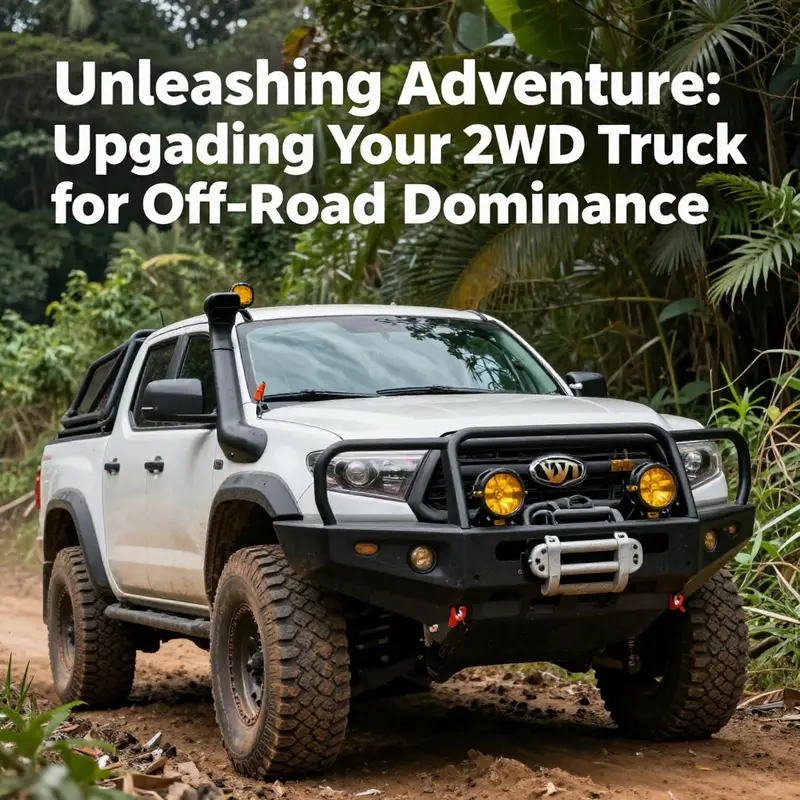
As off-road enthusiasts, the thrill of tackling unpredictable terrains shouldn’t be limited to four-wheel drive trucks. Many adventurers underestimate the potential of a properly modified 2WD truck. Equipped with targeted mechanical upgrades and the right driving skills, your two-wheel drive vehicle can conquer trails, mud, and sand that once seemed out of reach. This guide will explore key enhancements: installing limited-slip differentials for improved traction, upgrading suspension systems for stability, selecting the right tires for ultimate grip, reinforcing safety and durability with roll cages, and employing auxiliary devices to boost off-road performance. Whether on a rural expedition or racing through rugged landscapes, join us on this journey of transformation and unleash your vehicle’s true potential.
把后桥差速锁变成2WD卡车的“脱困利器”:原理、改装与实战要点
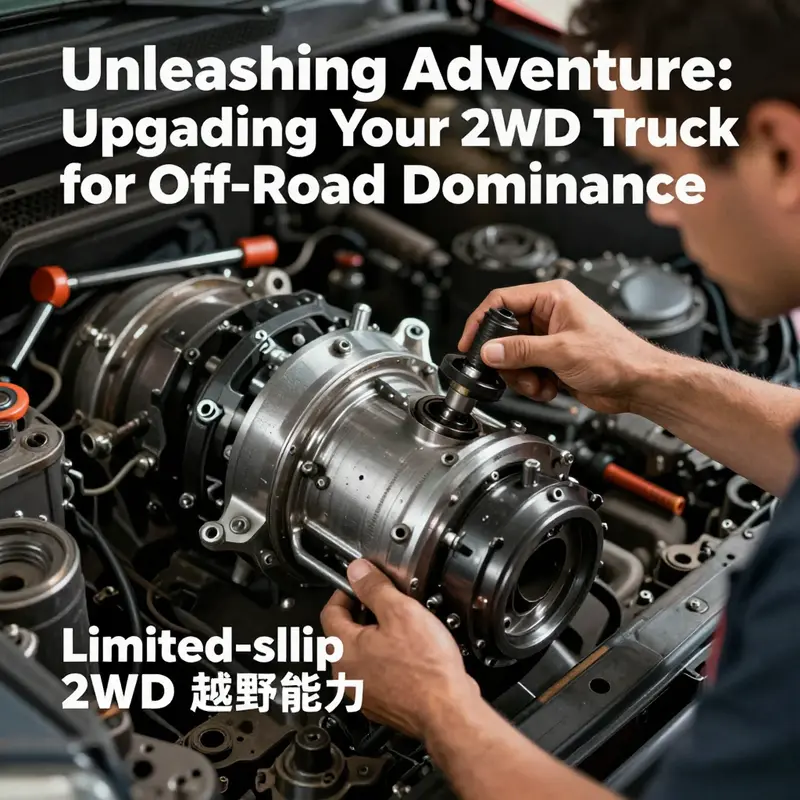
为一辆以城市通勤为主的2WD卡车增装后桥差速锁,是提升越野能力中最具性价比的一步。差速锁并不能把车变成四驱,但它可以解决越野中最常见的困境:单侧车轮空转导致整车失去牵引。理解它的工作方式、选择合适的类型、由专业人员安装并掌握使用细节,会让你的卡车在泥地、沙地和交叉轴等复杂地形下,表现出远超预期的通过性和脱困能力。
差速锁的核心在于改变动力分配逻辑。开放式差速器在转弯或轮胎打滑时,会把动力优先输送到阻力最小的一侧。结果是,一侧轮胎在松软地面狂转,而另一侧即便有抓地力也拿不到扭矩。后桥差速锁通过把左右车轮机械或电子地“连接”在一起,使两侧轮毂以相同转速旋转。这样即便一侧悬空或打滑,另一侧有附着力的车轮仍能获得动力,用以推进或脱困。正是基于这个简单却强大的原理,差速锁成为很多越野改装的首选项。
在决定改装前,先做可行性评估。并非每辆2WD车型的后桥都适合直接安装差速锁。部分原厂差速壳体较薄,齿轮配合工差较大,或半轴设计不支持更高的负载。请务必让有经验的专业技师检查后桥结构、半轴强度及悬挂连接点。差速锁会在低速脱困或攀爬时产生额外扭矩传递,这对悬挂和车架是一种额外考验。若底盘或控制臂有疲劳裂纹,应在差速锁安装前先行修复或加强。
类型选择直接影响实用性与维护成本。机械式差速锁结构简单,可靠度高,适合需要极限脱困的场景。它一般通过手动或空气/电力机械装置实现锁止,耐用且可修。电控式差速锁以驾驶舱按钮控制更为便捷,适合追求使用便利的人群,但它依赖于电路和执行器的可靠性。气动式方案响应快并能在多种情况下快速切换,但需要空气压缩系统和气路维护。对大多数2WD卡车用户而言,机械式或电控式后桥差速锁在成本与可靠性上更为平衡。
改装流程不可马虎。成套差速器总成通常需要拆卸原车后桥,替换为带差速锁的总成或在原差速器上改装锁止机构。关键安装步骤包括精确调整齿轮啮合间隙与接触斑点。错误的齿隙会导致噪音、过热及齿轮磨损。安装后必须注入推荐粘度和等级的齿轮油,并在空载与实车工况下完成锁止/解锁的功能测试。若选择电控或气动系统,还需对电路、防水以及气密性进行严格检查。所有紧固件应按制造商规格扭矩拧紧,并在试驾后复查。
使用习惯直接关系到差速锁寿命和车辆安全。差速锁不是在所有路况下都应打开。铺装路面或高速转向时保持锁止,会造成转向阻力增大、轮胎磨损加剧,并在极端情况下损坏传动系。为此,养成只在松软地面、交叉轴或需脱困时启用差速锁的习惯。开启时请将车速控制在安全范围内。多数制造建议在40 km/h以下操作,但出行前应查阅具体装置的厂家说明。平时应定期检查齿轮油状况,观察是否有金属磨屑,及时更换油液并清洁外壳,特别是在长时间涉水或泥浆行驶后。
机械与电控差速锁在操控感受上也有差别。机械锁在锁止时会让两个车轮强制同步转动,转弯半径因而变小,车辆会出现更强的内轮刹拖感。因此在锁止状态下应降低速度并以更平缓的转向输入行驶。电控系统有时会以电子辅助方式缓和这种瞬间冲击,但其依赖的传感器和执行器也需定期维护。无论哪种类型,改装后请务必在安全场地熟悉其响应与车感,再带车上更具挑战的路段。
安装差速锁带来的效果往往是立竿见影的。实战中,许多2WD卡车在交叉轴或部分车轮陷入泥洞时,使用差速锁后只需一侧车轮接触硬地便能脱困,通过率显著上升。在碎石和陡坡环境中,强制的动力分配使扭矩持续供给给有抓地力的车轮,从而提升攀爬稳定性并降低半轴和发动机瞬时过载。与此同时,差速锁还能间接减少长时间空转导致的半轴与轮毂齿轮磨损。合理的维护配合正确使用,能显著延长传动系统寿命。
改装并非孤立工程。安装差速锁最好与轮胎、悬挂和刹车系统的适配改进同步进行。更耐用的轮胎和适当加高的悬挂可以在越野时降低托底风险并提升接触地形的能力。刹车系统的热管理也需关注,因为在低速高负载的越野工况下,刹车稳定性直接关系到安全。此外,若你或你的团队致力于掌握更多机械维护技能,建议参考有关柴油与卡车机械的入门资料以建立长期维护体系,具体可见这篇实用指南。
差速锁不是万能钥匙,但它是解决“单侧打滑”这一最常见问题的最有效工具之一。通过科学选型、规范安装与谨慎使用,你可以把手头的2WD卡车变成一辆在多数轻度至中度越野环境下,表现可靠的准越野车。外出探险前的准备、对差速锁工作特性的熟悉,以及对传动系和底盘状况的定期巡检,能确保这项改装长期为你的越野旅程提供稳定支撑。
外部参考:差速锁的工作原理与实际应用可参考这篇权威解析。
https://www.4x4world.com.au/differential-lock-what-is-it-and-how-does-it-work
悬挂升级的力量:让2WD卡车突破地形极限的越野之路
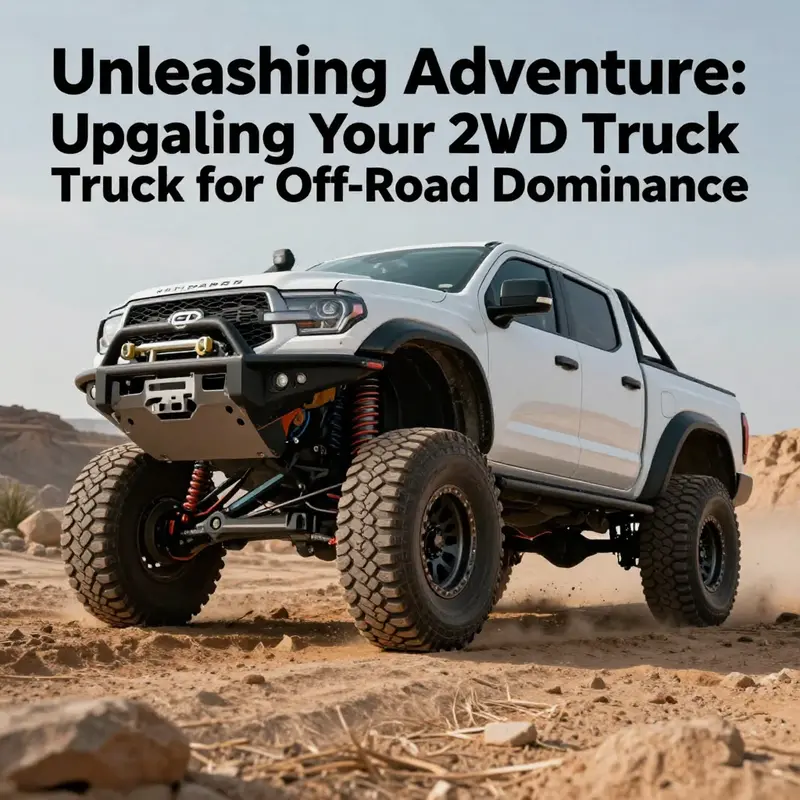
悬挂系统在一辆2WD卡车的越野能力里,扮演着比传动系统更直接也更决定性的角色。很多人把越野的关键误解为必须拥有四驱,但真正的突破往往来自一组精心设计的悬挂调校。它不仅关乎车轮是否能抓住地面,更关乎车身在崎岖地形上的稳定性、通过性与驾驶者对车辆的信心。若把越野比作一次长途远行,悬挂就像是背包里的支撑架,越稳固、越能承受震动,越能把地形带来的不确定性降到最低。为2WD卡车量身定制的悬挂升级,首要目标是提升离地间隙、改善接触状态,并以更高的抗扭刚性和更可控的阻尼来应对粗糙路面。一旦底盘被提升并且阻尼逻辑更清晰,车轮就能持续与地面保持接触,从而在泥地、碎石和不平路面上获得更稳定的牵引力。这是2WD向越野靠拢的第一步,也是最直观的提升路径。
提升离地间隙看似简单,却蕴含多重考量。通过更换加长的弹簧、使用高刚性的减震器或两者结合,底盘高度可以提升5到10厘米,显著改善接近角、离去角和通过角,降低托底的概率。对于追求更高极限的使用者,5-7.6厘米的升高已足以显著提升越野通过性。若预算充足,空气悬挂系统提供动态高度调节功能,允许在公路上保持低姿态以提升稳定性,而在越野时迅速抬升以克服大岩石和深坑。这个动态范围大致在5到15厘米之间,能让车在不同地形和载荷之间快速切换,增加适应性。无论选择哪种方案,关键是确保升高后的悬架几何和驱动轴角度不产生过度偏移,否则可能引发偏磨、操控变色或传动部件的额外应力。
另一方面,单纯提高高度并不足以解决所有问题。高位悬挂若缺乏好的阻尼,会造成车身颤振、轮胎跳动和轮胎跟地不紧密贴合,导致有效牵引力下降。因此,配套的高性能减震器与相对刚性的弹簧同样重要。理想的组合是让“弹簧+减震器”共同工作:更长的行程配合更线性的阻尼曲线,能让轮胎在 rocks、坑洞和深沙中的冲击得到均匀吸收,同时保持车轮在复杂地形上的持续接触。这种优化不仅提升越野能力,也在一定程度上削弱路况对公路驾驶舒适性的侵扰。建议在改装时以较低速、可控的方式进行测试,逐步评估悬挂系统在不同路况下的响应,避免一次性大幅改变导致的不可预期行为。
悬挂升级还需要与车身结构的其他要素协同工作。越野过程中,岩石、树根和金属障碍物会对前后悬挂部件造成剧烈冲击,因此在前后加装防撞梁、底盘护板和稳定杆支架,能有效保护关键部件,延长系统寿命并提升整车刚性。底盘护板尤为重要,因为发动机、变速箱、分动箱和燃油系统是越野中最易受损的区域。强化的底盘护板不仅保护硬件,也在一定程度上提升了通过岩面时的信心,因为你可以更大胆地考虑不规则路径,而不必担心隐患暴露。对长期越野使用者,车架本身的加固也是值得考虑的选项,尤其是在高振动环境下,车身结构的稳定性会直接影响操控的一致性和耐用性。
成功的悬挂升级不仅是硬件的堆叠,还涉及悬挂几何与精确对位。改装后,必须完成专业的四轮定位,以确保前后倾角、车轮外倾角和侧向几何达到理想状态。微妙的角度调整对高速稳定性、转向响应以及轮胎磨损都有显著影响。若前倾角过低,转向稳定性会下降;若后倾角不当,后轮的触地压力可能下降,牵引力不足。合适的几何设定能让轮胎在不同载荷下保持稳定的贴地面积,提升对复杂地面地形的抓地力。这个过程需要专业工具与经验,改装完成后务必进行四轮定位校准,否则很容易造成异常磨损、方向偏移或驾驶疲劳感增加。
悬挂升级还需与轮胎、轮毂等组件进行协调。选择大尺寸全地形胎或泥地胎,可以在提升抓地力的同时保留公路行驶的可控性。轮胎的侧壁强度、胎面花纹和偏心性都直接影响越野中的通过性与恢复力。与此同时,轮毂的防脱设计与胎压管理系统能在沙地、砂石路和岩石路面上发挥关键作用。低压胎在越野中提供更大接地面积和更柔性的压缩,但需谨慎控制,以防止轮胎偏移或对轮辋造成损伤。上述改装的效果很大程度上取决于载荷分配与轮胎与悬挂的匹配度。负重过大时,升高高度的优势可能会被载荷压缩抵消,因此在规划升级时要同时考虑实际用途和载荷区间的变化。
此外,悬挂并非孤立存在的系统,其与传动、驱动方式和驾驶技巧存在重要耦合。对于2WD而言,合理的悬挂提升需要与对地形的预判、动力输出的平稳性以及牵引策略并行。优化后的悬挂能更平滑地将动力传递到有抓地力的路面,减少空转与轮胎打滑,但若驾驶者在泥地或岩石路面上过度急加速、猛打方向或迅速变速,仍可能诱发打滑或失控。相反,在通过复杂地形时,保持低速、平稳的动力输出和渐进的制动策略,是卸下悬挂潜力的最好方式。下坡与上坡时,运用低速档和引擎制动,尽量避免对悬挂系统的冲击,这不仅保护改装件,也帮助保持车辆姿态的稳定。总之,悬挂升级的价值在于把地形的冲击变成可控的能量,创造一个更具预测性的驾驶平台。
综上所述,悬挂升级的核心在于提升离地间隙、改善轮胎与地面的持续接触、提高车身刚性与系统的阻尼控制,同时确保改装后的几何角度得到专业对位。只有在这一基础上,2WD卡车的越野能力才会从“可能”变成“可执行的现实”。在此基础之上,若再结合适当的全地形胎、一定的驱动辅助与恰当的驾驶策略,2WD车型也能在大多数轻度至中度越野任务中展现出超越预期的表现——如山地小径、林区通道和农场路面等场景。通过系统的规划与专业的执行,悬挂升级将真正成为让2WD卡车越野潜力爆发的关键杠杆,而非单纯的外观改装或短期性能噱头。
轮胎决定通行:为2WD卡车挑选能真正提升越野能力的轮胎方案
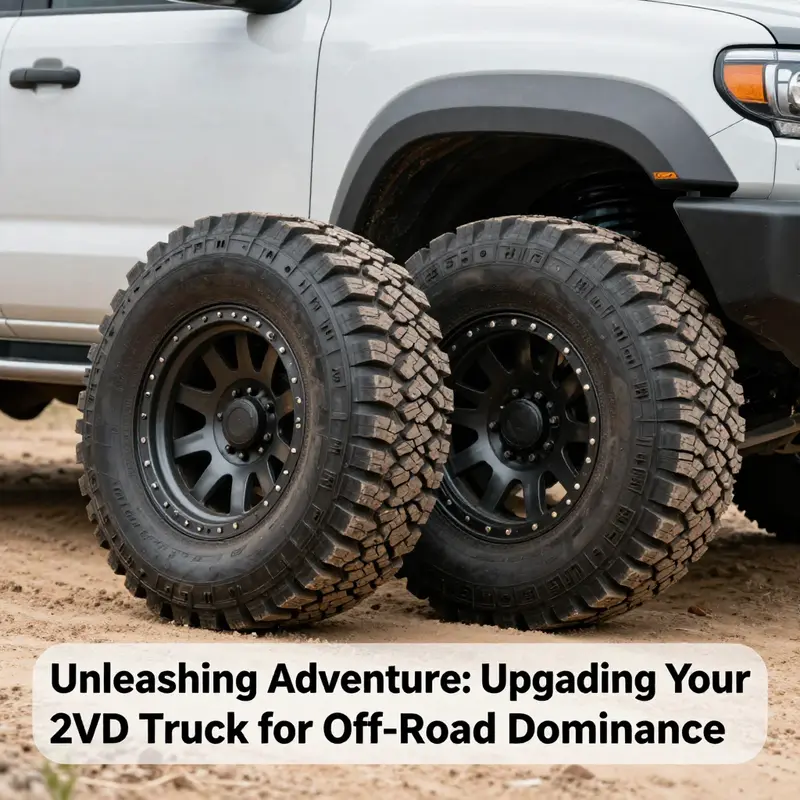
在提升2WD卡车的越野能力时,轮胎往往是最直接、最有效的改装之一。与四驱系统相比,2WD在复杂路面上缺乏主动分配动力的能力,因此轮胎必须承担更多任务:提供抓地力、排散泥水、抗穿刺、并在松软地面上保持浮力。正确的轮胎选择能显著降低脱困概率,提升通过性,同时减少对其他昂贵改装的依赖。
首先要明确一个核心原则:弃用普通公路胎。城市或高速胎的配方和花纹,注重低噪、低滚阻和长里程,在泥地、砂石和岩面上无法发挥。为2WD卡车优先考虑两类专用越野轮胎:全地形胎(AT)与泥地胎(MT)。二者并非互斥,而是基于使用场景的权衡。全地形胎提供最均衡的解决方案。它的块状花纹与加强胎肩能在铺装路面保持较好操控和舒适性,同时在土路、碎石和湿滑路面有可靠抓地力。对大多数2WD用户,这意味着日常通勤与周末越野都能兼顾,不必为两种完全不同的轮胎频繁切换。
如果越野场景常常是深泥、松软沙地或岩石路径,泥地胎是更明确的选择。MT胎特征是更深、间距更宽的花纹和更强的自清洁能力,能在胎面间快速把泥浆挤出,保持接地块的咬合力。它们的侧壁通常更厚,抗刺穿性能强,适合经过尖锐岩石和灌木密布的路线。但必须接受的代价是公路噪音大、油耗上升,以及在铺装路面上的舒适性和刹车表现下降。对一辆主要用来越野、但仍要在路上通行的2WD卡车,务必评估使用频率和行驶环境来决定MT是否值得。
尺寸选择对2WD卡车尤为关键。增宽断面能增加接地面积,提高在沙地和雪地的浮力,减少陷车风险。与此同时,提升轮胎直径能增加离地间隙,帮助车身越过障碍。这两者合并会显著改善通过性,但也带来一系列需要同步处理的问题。较大的轮胎会改变速度表读数,使油门与换挡逻辑发生微妙变化;轮胎与车轮拱间的干涉可能导致转向抖动或胎唇磨损;悬挂、传动轴和刹车系统需承受更大负荷。因此在选择从例如原配的235/85 R16升级到265/85 R16或类似尺寸时,应同时评估悬挂提升、避震强化以及可能的齿比调整,确保整车匹配。
轮胎结构与材质决定耐用性。越野环境的威胁主要来自尖石、树根和锋利碎片,薄弱的胎侧和胎面会迅速被穿刺。为此,应优先选择胎壁加厚、侧向护层设计合理的轮胎,这类轮胎在低气压行驶时也能提供更好的侧向支撑,降低脱圈或爆胎风险。此外,优质的橡胶配方决定了耐磨和耐老化性能。越野轮胎常见的强化配方在抵抗高温、化学物质侵蚀和紫外线老化方面更可靠,能延长使用寿命并保持抓地力曲线稳定。
选择轮胎时还有一些细节值得关注。花纹块排列决定排泥效率与抓地力连续性。紧密排列的花纹在铺装路面上更安静,抓地也更线性;而带有开放式沟槽和交错块的设计则更擅长泥沙自清洁。胎肩设计直接关系到侧向抓地力和在斜坡中的稳定性,带有坚固突起的胎肩在侧向负荷下更稳。轮胎的Load Rating(载重指数)和Speed Rating(速度级别)也不可忽视。卡车使用时往往承载较大重量,应选择载重能力高一档的轮胎,避免在越野中因为过载而导致鼓包或热衰竭。
气压管理是与轮胎性能密切相关的操作技巧。许多越野问题并非轮胎本身,而是气压没有根据路况调整。降低胎压可以扩大接地面积,增强浮力和咬合力,减少在岩石或砂地上的冲击;但过低的气压会增加侧壁损伤和脱圈风险。为2WD卡车制定一套简单的气压表和快速充气工具是必须的。通常,铺装路面保持标准压力,非铺装或松软地面适当降低的策略,配合现场充气站或车载压缩机,能在越野线路间快速切换状态。
轮胎的维护同样影响越野表现。定期检查胎压、胎纹深度与偏磨情况,能提前发现悬挂或定位问题。轮胎交换与轮位调换延长使用寿命,保持四条轮胎同一型号与相近磨损更利于行驶稳定性。遇到泥浆或沙石残留时及时清理胎纹和胎肩,能恢复排泥自清洁能力。
最后,轮胎的选择应与其他改装同步规划。一个理想的组合是:具有深花纹与厚胎壁的全地形或泥地轮胎,配合适当升高的悬挂和加强的轮拱保护,再加上车载绞盘和可调避震器。这种协同方式能让有限的2WD动力被更有效地转化为前进力。在预算有限的情况下,优先投入到轮胎与气压管理工具上,能在最短时间内提升卡车的越野胜任力。
总之,为2WD卡车选择轮胎不是一次交易,而是一套策略决策。评估使用场景、平衡舒适与抓地力、注意尺寸匹配以及注重结构耐用性,能把轮胎这一单项改装的收益最大化。正确的轮胎不仅降低陷车概率,也能让驾驶者在复杂地形中更自信地选择线路,从而在没有四驱的情况下,依然能够完成许多轻度至中度的越野任务。
Safeguarding the Trail: Installing Roll Cages and Reinforcing the Frame to Elevate 2WD Truck Off-Road Durability
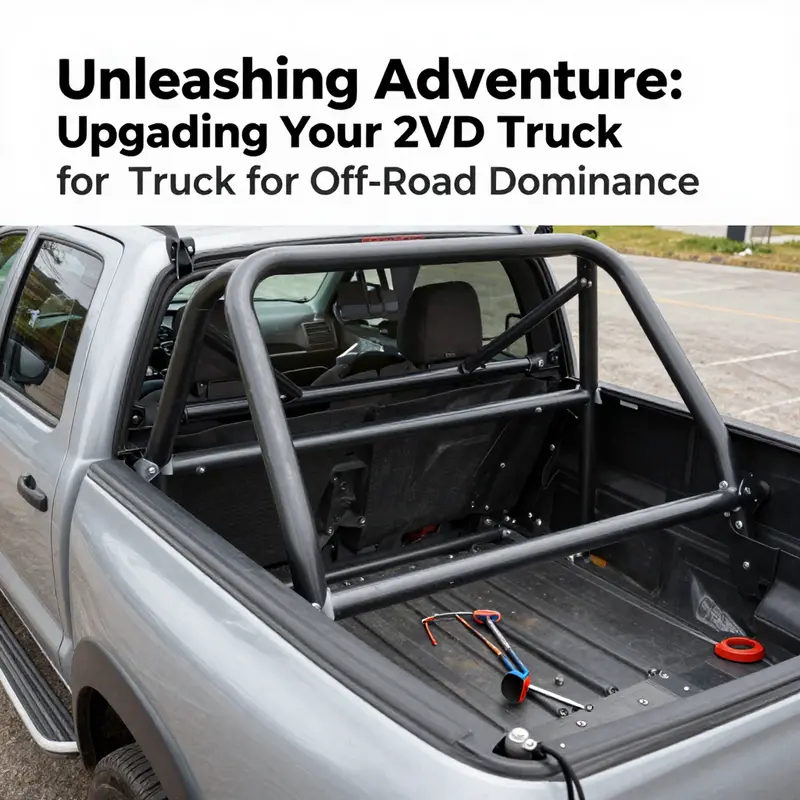
A two-wheel-drive pickup built for rough backroads and muddy tracks benefits from a safety-first approach that also unlocks real off-road potential. The combination of a purpose-built roll cage and a reinforced chassis can transform a modest 2WD platform into a more confident, durable partner on uneven terrain. This chapter weaves together practical installation guidance with design principles that prioritize occupant protection, structural rigidity, and long-term reliability. It is not a marketing pitch for extreme setups, but a grounded, engineering-minded pathway that respects both safety standards and the realities of 2WD traction. The result is a vehicle that can handle the unexpected—rocks, ruts, and rutted descents—without compromising daily usability or increasing maintenance burdens beyond reasonable limits. In this sense, the roll cage is less about turning a pickup into a race car and more about preserving the integrity of the vehicle’s fundamental architecture when subjected to off-road stresses. The chassis then becomes a canvas for restrained reinforcement rather than a reckless upgrade, ensuring that when the terrain tightens, the truck remains intact, and the occupants remain protected.
Choosing the right type of roll cage sets the tone for the entire project. There are two broad schools: detachable or weld-in. A detachable, activity-oriented cage provides versatility for users who need to remove the cage for everyday driving or for work that doesn’t demand full off-road capability. It is quicker to install and remove, but its joints often carry less rigidity than a welded alternative. The welded, or integrated, option creates a single, rigid lattice that distributes crash and rollover loads across the chassis with higher efficiency. It is the preferred path for those who push a 2WD truck into more demanding terrain or who compete in off-road events where every kilogram of weight is weighed against safety gains. When welding is chosen, attention to detail becomes essential, because the strength of the cage hinges on precise alignment, high-quality joints, and corrosion protection that lasts as long as the metal does. In practice, a well-designed welded cage works in harmony with the body and frame, reinforcing vulnerable areas such as the A-pillars, door bars, and cross members while avoiding interference with the driver’s space, seat harnesses, or interior comfort features.
Integrating a roll cage into a 2WD chassis calls for a careful balance between protection and practicality. A four-point or six-point layout is common because it provides symmetrical load paths and reduced stress concentration. The primary objective is to preserve the integrity of the cabin as a survivable refuge during a rollover while avoiding overbuilt structures that add weight and complicate cabin access. The cage should anchor into robust portions of the frame or unibody, using engine bay mounts, main brace points, and reinforced door sills. This is not a cosmetic add-on; it is a fundamental structural upgrade that affects how the vehicle handles torsional load, impacts from rough terrain, and the fatigue life of subframes and suspension mounts. An overbuilt cage can even reduce body flex, leading to more predictable steering feel and better track stability on uneven surfaces, provided the rest of the frame is appropriately reinforced to prevent unintended stress transfer.
Before any drilling, cutting, or welding begins, the design must be locked in with measurements and blueprints. The cabin’s usable space must be preserved, seat mounting must be preserved or enhanced, and harness anchor points must be planned with the safety harnesses’ geometry in mind. The alignment of the A-pillars and B-pillars is not merely an aesthetic concern; it determines whether the cage can absorb the same rollover loads that a vehicle would face in a worst-case scenario. If a pillar is misaligned, the cage will not distribute forces evenly, and the risk of intrusion into the passenger space increases. In practice, many builders start with a chassis jig, use laser or string line references to confirm plumb and level, and then establish reference points that stay true through welding. The goal is a cage whose load paths pass through the strongest points of the vehicle rather than creating new weak spots.
The race of welding versus bolting is another critical decision. A permanent, welded cage uses high-strength welds that contribute to the overall stiffness of the structure. Its joints must be executed with disciplined technique: proper surface preparation, controlled heat input, and post-weld treatment to prevent corrosion. A weld should be continuous and free of porosity, with adequate penetration into the metal so that the joint acts as a single piece under load. In contrast, a detachable cage relies on robust bolts, clamps, and castellated fittings. While suitable for certain applications, bolts can loosen under vibration unless properly torqued and secured with locking nuts or thread-locking compounds. For most off-road enthusiasts who frequently operate in rugged terrain or carry heavy loads, a welded cage paired with reinforced anchor points offers a more predictable performance envelope and a longer service life. The craftsmanship behind these welds matters just as much as the geometry; a clean, heat-controlled weld with correct pass sequencing will resist fatigue and cracking better than a hurried, poorly executed bead that tries to do too much at once.
The interior integration of the cage matters as well. Pillar cladding, dash interception, and seating layout must be compatible with the new structure. The knowledge that an embedded or near-embedded approach is becoming more common in high-performance vehicles is reassuring. Some advanced concepts push the envelope further by embedding the roll cage within the A- and B-pillars using high-strength steel that is heat-treated for increased yield. This approach increases the pillar’s load-bearing capacity and can reduce the risk of intrusion into the cabin during a rollover. While such techniques remain at the cutting edge and may require specialized manufacturing facilities, they illustrate the direction in which safety-focused off-road design is headed. Practical lessons from field work emphasize that even a modest roll cage improves occupant protection when combined with proper seat mounting, five-point or four-point harness systems, and carefully planned anchor points for straps and foot restraints. The aim is to keep the passenger compartment intact and to minimize the chance that a door or window geometry will fail under extreme load.
As with any structural upgrade, reinforcing the chassis must be a system. A roll cage is not a standalone fix; it changes how the entire vehicle behaves under load. The chassis reinforcement should consider the frame rails, crossmembers, and critical mounting points for components such as the engine, transmission, and transfer cases or drive shafts, even in a 2WD configuration. For many 2WD users, this means adding gussets at the frame rail joints, strengthening the crossmember connections that carry the engine and transmission, and taking a careful look at how the rear end and bumper mounts transfer impact energy into the chassis. It is common to add underbody protection—skid plates or a robust plate system—that distributes impact forces from rocks or stumps away from the vulnerable belly of the truck. These plates also protect the roll cage mounting points by guarding them against gouges and punctures that can develop when the vehicle is forced to crawl over rough terrain.
In addition to direct protective measures, practitioners often add structural enhancements that support the cage without compromising serviceability. These include reinforcing the floor pan where the cage bolts to the chassis, adding triangulated braces to reduce frame twist, and ensuring that the cage’s anchor points are designed to work with the vehicle’s existing seat rails and mounting hardware. The objective is to develop a cohesive assembly in which the cage, seat anchors, and harness mounts are all rigidly connected to a common load path. This common path is what makes the difference in real-world rollover scenarios, where energy must be dissipated quickly and predictably rather than transferred in an uncontrolled manner to the occupant compartment.
Maintenance and inspection cannot be treated as afterthoughts. Once the cage is installed, its integrity depends on regular checks. Bolts must be torqued to specification on a schedule that matches the vehicle’s use, especially after off-road events or heavy towing. Welds should be inspected for cracks, rust, and heat damage, with corrosion prevention steps included in the maintenance routine. Areas around mounting points require extra attention because they often become the first sources of fatigue under repeated loading. Repainting or applying protective coatings to susceptible welds and frame sections helps prevent corrosion that can undermine structural performance over time.
For those who seek a deeper, hands-on understanding of the craft, practical mechanical knowledge matters as much as the safety theory. Readers keen to expand their toolbox can consult resources that walk through the basics of drivetrain work, welding fundamentals, and the relationship between chassis stiffness and suspension behavior. Indeed, even a disciplined approach to engine and transmission fundamentals can inform better decisions about how much weight to add, where to place reinforcement, and how to maintain balance in steering and handling under load. For readers looking to deepen their understanding of practical chassis work and drivetrain basics, see Mastering Diesel Mechanics: A Step-by-Step Path to Success.
The design philosophy behind all these steps is straightforward: safety first, but never at the expense of durability or daily usability. A well-executed roll cage and chassis reinforcement should not turn the truck into a cumbersome, noisy, or maintenance-intensive machine. Instead, it should integrate with the vehicle’s existing architecture, elevate the safety margins, and improve overall stability when the road ends and the trail begins. The goal is to create a system where the roll cage acts as a protective shell while the reinforced chassis bears the brunt of off-road shocks, keeping the suspension and drivetrain in their intended working envelopes. This synergy yields a truck that is more capable on rough terrain and more reliable during long-distance work or exploration missions.
Finally, the broader safety context matters. If the off-road use edges into competitive or high-risk environments, it is essential to adhere to local regulations and industry standards. In many jurisdictions, roll cages and harness systems must meet specified requirements, and professional installation is strongly advised. When pursuing high-performance or endurance-oriented builds, seek qualified shops with experience in roll cage fabrication, welding quality control, and crash load testing. The investment pays off in peace of mind and in the vehicle’s long-term resilience when confronted with the harsh realities of off-road endurance.
External reference and further context can be found in a recent, advanced case where embedded safety architectures are evaluated in high-performance platforms. See the Porsche 718 EV prototype safety testing for comprehensive considerations about how modern safety design translates into real-world robustness. https://www.porsche.com/usa/newsroom/press-releases/2026-01-22-porsche-718-ev-prototype-testing-nurburgring/
In closing, a well-planned roll cage and a thoughtfully reinforced frame do not merely add structural weight. They create a safer, more predictable, and more durable platform that enhances a 2WD truck’s off-road capability without compromising everyday practicality. When designed and executed with care, this combination unlocks a subtle but meaningful upgrade in confidence—the assurance that your truck can handle the trail’s rough edges while you stay focused on navigation, line choice, and vehicle control rather than worrying about the next sudden chassis twist or roof intrusion.
null
null
Final thoughts
In conclusion, while a 2WD truck may not initially compete with a 4WD counterpart in terms of off-road proficiency, the right upgrades can significantly elevate its performance in various terrains. Investments in limited-slip differentials, suspension systems, quality tires, roll cages, and auxiliary devices can transform your truck into a reliable off-road machine. As you venture forth into uncharted territories, remember to combine these mechanical enhancements with proper driving techniques for the best experience. The adventure awaits—don’t let your 2WD truck hold you back from exploring the wild.