

Off-roading has evolved into a thrilling stereotype of freedom and rugged adventure, drawing in enthusiasts who crave the untamed path. However, as exhilarating as it can be, the question looms: is off-roading bad for your truck? Delving into this topic reveals a nuanced truth. While there are mounting risks posed by difficult terrains, such as rocks, mud, and uneven paths that can lead to mechanical strain, proper preparation can lead to a successful journey instead of costly repairs. In this comprehensive guide, we’ll examine how off-roading can be detrimental to your vehicle, the vital modifications needed for safe excursions, and the maintenance strategies that keep your truck in its prime shape. Buckle up; it’s time to explore a rugged world of adventure responsibly.
Bearing the Trail: The Real Health Toll Off-Roading Takes on Your Truck—and How to Keep It Strong
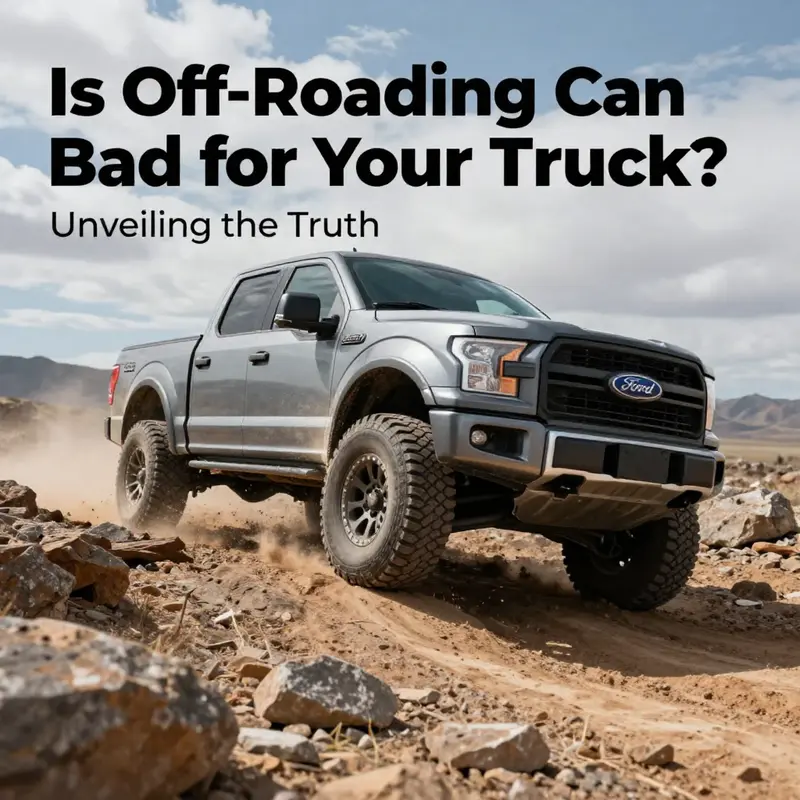
Off-roading is an invitation to test boundaries, push limits, and savor the humility of a vehicle meeting terrain on its own terms. It is not a simple recreation, though; it is a dialogue between machine and landscape, and like any serious dialogue, it leaves fingerprints on the speakers. The question at the center of this chapter remains the same as the chapter title suggests: is off-roading bad for a truck? The short answer is nuanced. If you treat the act as reckless abandon, if you tackle terrain that overwhelms not only your nerves but your vehicle’s design, then yes, off-roading can accelerate wear and invite failures. If you approach it with preparation, discipline, and ongoing maintenance, off-roading need not be a recipe for disaster. It can be a proof of the truck’s capability and a test that you meet with prudence rather than bravado. What follows is a careful portrait of where vulnerability tends to appear, how stress compounds over time, and what habits and upgrades can help you preserve long-term reliability without denying yourself the chance to explore rougher paths. The underlying thread is about approach more than terrain, about readiness more than bravado, and about maintenance as the quiet backbone that keeps a capable pickup trustworthy after each expedition into deception-wreathed ruts and sun-baked rock gardens.
Every off-road session begins with a ripple through the undercarriage before you hear a single stone scrape. The suspension system bears the brunt of that ripple. When you climb into a rock-strewn trail, the wheels must articulate to keep the tires in contact with the ground while the chassis tilts and pivots over obstacles. The result is a cascade of forces that travel through shocks, struts, control arms, and linkages. Even a single harsh bump can bend a control arm ever so slightly, alter alignment, and shorten the life of a tire’s tread on one edge. Over dozens or hundreds of miles across rough terrain, those small deviations accumulate. Alignment can drift, tire wear becomes uneven, and the steering feel can grow intermittently vague. The drivetrain doesn’t hide from this. Constant torque applied to navigate ledges and crossed gradients puts extra heat into the transfer case and differentials. It’s not so much the big, dramatic failures that often strike first as the quiet, cumulative fatigue that whispers through the suspension mounts or the CV joints after a season of off-road use. The message is clear: stress is cumulative, and the only way to keep it from becoming a problem is to manage both the exposure and the recovery on the truck’s architecture.
Then there is the battle with pursuits that look deceptively harmless—the mud, the water, and the repeated insults of dirt and moisture into places they don’t belong. Mud can cake up around steering components and the knuckles, hiding wear places until they become loud or loose. Mud is a solvent for friction, and it can carry grit into bearing surfaces, accelerating wear in seals and bushings. Water, when it is forced through the air intake or the electrical harnesses, demands respect. A deep water crossing or a splash through a deep rut may momentarily flood the engine bay region. If moisture finds entry into sensors or wiring, small electrical gremlins may appear in the instrument cluster or away from the fault code readers, begging for attention. The consequences can range from annoying to dangerous: a misfire when you need all cylinders singing, a stalled engine in shallow water, or a thermally stressed cooling system that loses its ability to shed heat when you’re perched on a ridge line in sun-baked heat. Every water crossing is a moment to assess whether you’ve equipped the truck to breathe clean air and keep water out of the engine bay and the intake system. It’s not just a question of capability; it’s a question of longevity.
The undercarriage is another quiet battlefield. Rocks can dent the skid plate, yes, but even more worrisome are the consequences long after the camera stops rolling. A dent in the fuel line or brake line may be small enough to overlook on a casual inspection, yet the consequences can be severe in traffic. Debris chipping away at the exhaust system or piping can invite corrosion that worsens with heat and humidity. The heat loads that come from wheelbrakes, canyon winds, and long climbs are not just about performance; they translate to fatigue in the metal and in the protective coatings that guard critical components. The takeaway is simple: you may not see the damage immediately, but it can hide in plain sight for miles until a failure demands emergency attention. The best defense is periodic, thorough checks after every major trip, with a clinician’s eye for signs of metal fatigue, misalignment, or compromised protection.
To understand and mitigate these risks, one must lean into the practicalities of upgrading and maintenance, not just the romance of exploration. Upgrades that reinforce the truck’s defensive posture—skid plates, heavy-duty tires, and enhanced cooling capacity—are the most effective investments. Skid plates act as armor for the vulnerable underbelly, especially around the transfer case, fuel lines, and exhaust sections. They don’t eliminate risk; they shift where the damage might occur, absorbing some of the impact before it reverberates into more delicate systems. Heavy-duty tires, with thicker sidewalls and more robust tread compounds, resist punctures and grip inconsistent surfaces with more confidence. They also alter the ride geometry by a small margin, which can improve stability on uneven ground if matched with correct suspension tuning. Enhanced cooling systems, meanwhile, respond to the demand of low-speed crawls, long ascents, and wet climates where the engine must dissipate heat under sustained stress. A cooling system that can keep temperatures in check reduces the likelihood of overheating when the engine is tasked with slippery climbs or extended idling through rough terrain.
None of these upgrades changes the physics of what’s happening on the trail; they improve the truck’s ability to absorb shocks, shed heat, and resist the corrosion and abrasion that come with dirt and moisture. The real hinge is how you drive and how you monitor the vehicle after each outing. Smart off-roading means choosing lines with the fewest unknowns, avoiding the deepest ruts when you’re unsure of their depth or what lies beneath, and keeping a conservative speed that prevents hammering the drivetrain while still allowing enough momentum to crest obstacles. It also means knowing when to stop and walk a section instead of charging through. A cautious approach lengthens the interval between major repairs and keeps components within the tolerance bands that engineers built for everyday use, not just for occasional bursts of bravado.
Maintenance follows the trail like a faithful companion. The routine after you peel off the mud should be meticulous rather than ceremonial. A quick wash to remove grit is a good start, but it is only the precursor to a deeper check. Inspect the undercarriage for fresh dents, hit marks, or signs of saw-tooth wear on protective shields. Look for any fluid leaks—oil, coolant, brake fluid, or fuel—that might point to a compromised seal, a punctured line, or a loose fitting after a harsh ride. Check the shocks and springs for signs of oil seepage, which would indicate a failing seal, or for any loss of damping performance that would manifest as continued bouncing after bumps. Grease points deserve attention too; if a joint has dried grease or if the boot shows signs of cracking, the risk of contamination and premature wear rises. In addition, the engine air intake should be examined for obstructions or water exposure after river crossings or deep mud. If water is suspected to have entered the intake, it’s wise to perform a conservative diagnostic with the air filter replaced and the system checked for signs of hydrolock, a catastrophic event caused by water occupying a space intended for air. Beyond the engine bay, the electrical system warrants a careful look. Moisture that seeps into harnesses or sensors can create intermittent faults that are hard to trace in the moment. A post-trip audit of fuses, connectors, and grounds can save hours of troubleshooting and prevent unsafe conditions from developing on the road or highway.
In the quiet of a long driveway or a shaded pit at a trailhead, the practice of reflection—on what you did, how you did it, and what you found in the vehicle—becomes a crucial skill. It is easy to mistake a rough ride for nothing more than a bruised ego or a minor fix, but the truth hides in the small details. A bent control arm may not fail immediately, but it rewrites alignment metrics and invites uneven tire wear that reduces grip and increases rolling resistance. A dropped bolt or a loose bracket may not threaten to strand you today, but it is the seed of a future disruption. The chain of consequences is rarely dramatic in a single moment; it unfolds through miles and months, reminding every owner that reliability is earned in the margins of every trail and every maintenance interval.
Given these realities, the central question—whether off-roading is bad for a truck—takes on a clearer meaning. The activity itself is not the problem; the problem is the mindset that treats off-roading as risk-free adventure. It becomes problematic when preparation lags behind ambition. It becomes problematic when you neglect simple checks after you return from a tough climb or rinse away the truth that heat, moisture, and impact leave their signatures on metal and electronics alike. The path to responsible enjoyment lies in three simple commitments that echo throughout the chapters of this article: first, tailor the truck to your needs with sensible, purpose-driven upgrades; second, adopt a disciplined driving approach that respects the limits of both the terrain and the machine; and third, maintain a vigilant maintenance routine that treats the vehicle as a living system that requires care after every expedition. When these commitments are honored, off-roading can reveal what your truck is capable of—without compromising its reliability or longevity. And that is the deeper takeaway: off-roading is not inherently bad for the truck; it becomes a test of how well you prepare, how you drive, and how faithfully you tend to the vehicle in the weeks and seasons that follow your greatest exertions.
For readers seeking a practical entry point into the broader discipline of keeping a rugged vehicle in peak condition, you can explore more about diesel mechanics and maintenance practices in a comprehensive guide crafted for enthusiasts who want to understand the inner workings of their machines. Mastering Diesel Mechanics: Your Step-by-Step Path to Success. This resource is a useful companion as you plan upgrades, schedule maintenance, and map out a long future of adventures with your truck. While the link points to a broader set of topics, the ethos remains the same: learn, prepare, test, maintain, and you will enjoy the trail with confidence rather than fear.
To deepen your understanding of the kinds of damage off-roading can cause and how communities discuss these issues, consult industry coverage such as the Car and Driver deep dive on off-roading damage to trucks. External resource: https://www.caranddriver.com/trucks/features/a52714368/off-roading-damage-to-trucks/. Reading such analyses helps ground your decisions in observed patterns and shared experiences rather than sensational anecdotes, reminding you that many risks come from high-intensity use rather than off-roading itself. The most valuable approach remains conservative preparation, disciplined technique, and a routine of careful inspection after each adventure.
Is Off-Roading Bad for Your Truck? The Power of Preparation and Smart Modifications

Off-roading is not an inherent indictment against a pickup’s longevity. It is, instead, a test of how ready the vehicle is to face terrain that deliberately pushes beyond paved surfaces. The rough ground, unpredictable obstacles, and extreme environments all translate into higher demands on a truck’s suspension, tires, undercarriage, and drivetrain. When a driver takes on rock-strewn trails, deep ruts, or sandy washes without the proper preparation, the vehicle experiences a higher load that can translate into accelerated wear or, worse, sudden failures. The consequence is not a verdict on off-road use itself but on the level of readiness accompanying that use. A well-prepared truck, paired with responsible driving, can endure frequent off-road excursions with reliability and a sense of security that keeps the experience enjoyable rather than costly or treacherous.
The core of responsible off-roading lies in understanding stress points and preemptively addressing them. The suspension system bears the brunt of uneven terrain. Each rock, root, or drop-off can compress or twist components in ways that are hard to anticipate on a smooth highway. Tires become more than one of the many contact patches; they act as the bridge between traction and load, translation of terrain into forward momentum, and a shield against punctures. The undercarriage—the oil pan, transmission, transfer case, and other vital parts—faces direct exposure to rocks, stumps, and snag hazards that can bend, crack, or drain lifetime away from crucial systems. The drivetrain has to negotiate traction on unpredictable surfaces, which means transmission and differentials work extra hard to maintain grip, speed, and control. In the simplest terms, off-roading challenges a truck’s core systems in ways city driving rarely does, and the additional stress is manageable only when the vehicle is properly prepared.
Preparation begins with tires, because they are the first line of defense against both traction and mechanical stress. All-terrain or mud-terrain tires offer a step up in grip on loose surfaces and a more robust sidewall construction to resist punctures and pinch flats when the terrain tightens around the wheel. Tires influence ride quality, steering feedback, and heat generation, which matters on long stretches of rough terrain or steep descents where grip is dynamic and often uncertain. The right tires also influence bite when you need to climb out of a trench or negotiate a slick rock face. Beyond choosing a tire type, tire pressure becomes a dynamic tool. Lower pressures increase surface area for traction on soft ground but raise the risk of pinch flats and heat buildup; higher pressures reduce sidewall deformation but can cause wheel slip on loose rock. Getting this balance right—anticipating trail conditions and adjusting tire pressure accordingly—helps protect both tire integrity and the suspension’s ability to keep the drivetrain working smoothly.
Suspension upgrades are another cornerstone of preparedness. A stock setup is tuned for on-road comfort and general-purpose use, not for the repeated, high-load demands of rugged trails. A suspension system that favors increased ground clearance, improved articulation, and durable bushings can dramatically reduce the risk of bottoming out on challenging terrain. The goal is not to turn the truck into a rock-crawler but to provide controlled, predictable responses when encountering rock ledges, ruts, or steep descents. A properly tuned suspension helps keep tires in contact with the ground, which in turn stabilizes steering and reduces abrupt, hard impacts that can shake loose components or misalign driveline geometry. When the suspension supports generous clearance with robust dampers, the chassis can absorb the trail’s feedback more evenly, lessening the chance that a single obstacle will cascade into a chain of mechanical strain.
Undermount protection remains a practical priority. Skid plates shield the oil pan, transmission, transfer case, and other critical undercarriage elements from gouges and punctures. Shielded components are less likely to suffer oil leaks, sudden overheating, or unexpected failure at critical moments when you need to keep moving through a rough section or safely downshift into a descent. The protective layer of plates can be a quiet confidence booster, reducing the anxiety that comes with the thought of a careless rock encounter elongating the repair bill. Alongside skid plates, protective bumpers can offer a buffer against stumbles into obstacles that would otherwise bend or dent a lower front end or drag on rocks and stumps. While no shield is foolproof, the added protection buys time and preserves alignment, which translates into fewer roadside repairs and more miles of reliable trail time.
Recovery gear also plays a central role in responsible off-roading. A dependable winch, tow straps, shackles, a high-lumen lighting setup, and a solid recovery partner can transform a challenging moment into a manageable one. Recovery equipment is not a luxury; in the rough, it becomes a practical necessity that can prevent a long, stressful, and potentially damaging extraction. The ability to recover yourself or a fellow traveler without forcing the truck into risky maneuvers can protect both the vehicle and the occupants from injury or damage. In addition to equipment, a mindset of planning ahead matters. Knowing where you are, what the terrain demands, and how far you are from the nearest help encourages safer choices and reduces the impulse to push beyond the vehicle’s safe operating envelope.
Braking and cooling systems deserve particular attention for off-road use. On steep declines or long climbs, brakes work harder and heat up more quickly. Upgrading or maintaining a braking system that remains responsive under sustained load is not a wager; it is a necessity for safety and control. A robust cooling system prevents overheating in conditions that force the engine to work at higher, steadier RPMs. Overheating can throttle performance and accelerate wear across the engine, radiator, and fans. When the cooling system is capable of shedding heat efficiently, the driver retains control margins and avoids the performance dips that come with thermal throttling. The idea is simple: keep the engine and its fluids within safe operating temperatures so that power remains available when you need it and reliability stays intact during longer trips.
A broader sense of protection emerges with the inclusion of lighting, bumpers, and other protective accessories. Extra lighting improves visibility during dawn, dusk, or night drives through unfamiliar terrain, reducing the chance of misjudging an obstacle. Protective bumpers can distribute impact loads more evenly and provide a firmer mounting point for recovery gear and winches. The aim is not to sensationalize off-road gear but to create a coherent safety net that reduces the possibility of damage from the next rocky setback or the next deep rut. United with the right tools and a disciplined approach, such protective elements help a vehicle endure a wider range of trails without sacrificing reliability on the road back home.
Maintenance habits loom large in the longer arc of off-road readiness. When a truck regularly travels through harsh environments, routine checks become more than a pre-trip ritual. They turn into a responsible discipline that catches wear before it becomes a failure. Regular oil changes, coolant flushes, and careful monitoring of brake lines and suspension components become predictable milestones on a calendar rather than reactive, after-the-fact fixes. A trail-driven truck benefits from a proactive maintenance schedule that matches its usage patterns. Spares, fasteners, and critical fluids take on added importance because off-road miles often test components under load and heat simultaneously. A disciplined maintenance mindset protects not just the vehicle’s systems but also the crew relying on them for a safe and enjoyable experience.
The conversation about whether off-roading is bad for a truck ends up reframed. It is not inherently harmful; it is only harmful when the vehicle’s capabilities, conditions, and the driver’s choices collide without preparation. A truck that has been thoughtfully prepared—tires selected for terrain, suspension tuned for articulation, undercarriage protected, recovery gear stowed and organized, and cooling and braking systems verified—can traverse rough trails with confidence and a reduced risk of avoidable damage. The human element remains essential as well. A cautious, educated driver who reads terrain, respects limits, and adapts speed and line to the truck’s abilities will extend the life of the truck as a tool for exploration rather than a repair bill waiting to happen.
For readers seeking a deeper technical framework on keeping engines and drivetrains resilient under off-road stress, a practical companion is available in the broader how-to literature. As an accessible resource on engine and powertrain fundamentals, Mastering Diesel Mechanics offers a pathway to understanding how mechanical systems respond to off-road duty. This is not a sales pitch for complexity but a study in how informed maintenance and careful operation can reduce risk and improve reliability. The goal is to empower readers with knowledge that translates into smarter choices on the trail and longer life for the truck when it returns to the road.
Ultimately, the question of whether off-roading is bad for a truck dissolves into a decision about preparation, restraint, and respect for terrain. Off-road adventures are most enjoyable when the truck is treated as a machine that demands preparation and care. The trail can be a proving ground for a well-prepared vehicle, a place where the driver’s choices reinforce reliability rather than undermine it. A well-prepared truck returns from each trip not just with stories of mud and memories but with components that show wear only in the ordinary, expected way of a well-used workhorse, not through preventable, trail-induced failures. This is the true balance: to honor the terrain by honoring the vehicle, to blend adventure with discipline, and to keep the journey on the road and off the road both safe and sustainable.
External resources can offer additional perspectives on practical modifications and their impacts. A thoughtful exploration of off-road modifications provides actionable insights into how to approach upgrades without overcomplicating a truck’s design or creating unintended consequences. See an external resource for more on practical modifications and how they influence performance and reliability on rugged terrain: Off-Road Truck Modifications Tips. https://www.motor1.com/tech/260875/off-road-truck-modifications-tips/
Trail-Proof Your Truck: Maintenance Playbooks to Reduce Off-Road Stress
Off-roading isn’t a simple joyride through a dirt patch. It’s a test of systems, a series of micro-strains that accumulate as you bounce, slide, and claw your way over obstacles. The core idea isn’t that off-roading inherently ruins a pickup; it’s that the way you prepare for it and the care you give afterward determine whether the rig emerges from the trail with a few story-worthy dents or a long-lasting, dependable service life. A modern, well-built pickup is naturally rugged, designed to handle rough terrain with features like reinforced frames, robust cooling systems, and traction aids. Yet those features only work when you treat them as part of a well-planned maintenance philosophy rather than as a passive shield. When you combine thoughtful preparation with disciplined upkeep, you can enjoy serious off-road capability without sacrificing the truck’s reliability. This is not about chasing perfection in every excursion; it’s about creating a resilient routine that reduces risk, extends component life, and keeps the truck ready for the next trail, the next job site, or the next family adventure.
To tell the story of how to keep a trail-born truck healthy, let’s imagine a practical, grounded approach. After each off-road session, you take stock of the journey, not just by how muddy the tires look or how the steering feels, but by what your maintenance log says you did and what you plan to do next. The underlying principle is straightforward: off-road stresses must be met with proactive inspection, precise fluid management, protective hardware, and mindful, data-informed driving and repair habits. This approach isn’t about fear of damage; it’s about foresight and routine—about building a habit that respects the rougher terrain while preserving the truck’s core strengths.
The first layer of this habit is a ritual of inspection and cleaning that begins the moment you roll back onto the pavement. Mud, sand, and water aren’t just annoyances; they’re potential carriers of abrasive compounds and corrosive elements that can settle into crevices, rust, and seals if left alone. A quick post-trail scan is not enough; a thorough, deliberate cleaning is part of the maintenance equation. You wipe down exposed frames, joints, and undercarriage components and pay special attention to tight spaces where dirt can hide. The goal isn’t to chase a showroom shine but to remove what accelerates wear. If you can, wash with a nozzle that reaches up into the wheel wells and along the control arms, then dry thoroughly to minimize trapped moisture. A rinse with an eye toward corrosion prevention—especially around fasteners and corrosion-prone metals—will pay dividends over time. This practice helps protect the undercarriage from salt, minerals, and damp debris that can act as time bombs for seals and coatings.
Even more critical than cleaning is the discipline of fluid vigilance. Off-road stress exhibits itself in heat, shock, and shear that stress lubricants and fluids. Engine oil, transmission fluid, differential fluid, and brake fluid all play roles beyond simple lubrication. They are heat absorbers and viscosity gates that keep metal surfaces separated in the most punishing conditions. After a trail run, perform a careful check of fluid levels and, when possible, inspect the condition of the fluids themselves. Discolored or gritty fluids are a signal that more attention is due. In harsh environments, a switch to fluids formulated for off-road use—designed to maintain lubrication and cooling under elevated temperatures and around higher shear stresses—can be prudent. The differential and transfer-case fluids, in particular, benefit from more frequent checks if you’ve spent time in rocky terrain or on long, technical climbs where the drivetrain sees extended duty cycles. Keeping a log of fluid changes and the miles at which they occurred becomes a map of wear and performance that helps you anticipate what’s coming next. A simple practice, but one with outsized value: note the terrain you tackled, the miles logged, and the temperature range you endured. Over time, this notes become your best guide to when it’s time to refresh a specific fluid, even if the standard interval hasn’t passed.
Tire management sits at the intersection of safety and longevity on the trail. Tires are the truck’s first and last contact with the ground. Off-road use tests tires in ways that on-road driving never does. Before you head out, check air pressure and tread depth in a way that reflects the terrain you expect. Low pressure can improve traction on soft surfaces but invites bead-seating hazards and potential sidewall damage when you encounter rocks and hard edges. Conversely, running high pressure for smooth surfaces can reduce grip on loose soils and mud, making steep slopes and ruts more treacherous. A simple pre-run routine that balances these needs and a post-run inspection of tread wear helps prevent sudden failures. After a trip, inspect the sidewalls for cuts and gouges and check for cuts in the tread that could worsen with continued use. It’s also worth considering wheel rotation and alignment checks after particularly aggressive trails that could skew tire wear patterns. The goal is to preserve the tire’s contacting surface and the bead seal while maintaining predictable, balanced handling on the road.
Protective gear and chassis shields form another layer of resilience. Skid plates, bash plates, and wheel flares aren’t cosmetic add-ons; they are defense against the things that would otherwise puncture or bend vital components. The undercarriage, suspension members, and exhaust pathways all benefit from protection that can absorb or divert impacts. When you install protective gear, you’re trading a portion of weight and some efficiency for a dramatic reduction in potential damage to the most vulnerable parts of the truck. The key is to choose protective gear that is compatible with your suspension travel, wheel offset, and geometry. In practice, a well-considered protective package makes it easier to push through uncertain terrain with confidence, knowing that the truck can take a hit without compromising essential systems. The data you collect from each trip—where the gear touched down, how much abuse the plates absorbed, and how much protection you actually gained—becomes part of a feedback loop that informs future tweaks and upgrades.
Beyond protective hardware, the chassis and drivetrain respond to longer-term improvements that are often worth the investment for frequent off-roaders. If you’ve built a truck for real trail use, you may find longevity benefits from a suspension system tuned for off-road articulation and a cooling package that keeps powertrain temperatures in check during long climbs or hot days. Heavy-duty brakes, more robust wheel bearings, and upgraded fluids designed for high-stress operation can preserve performance across back-to-back runs. These modifications aren’t about chasing the latest tech trend; they’re about creating a platform that can absorb the cumulative punishment of off-road use while preserving cold-start reliability, smooth shifting, and consistent braking performance. The idea is to match the vehicle’s capabilities to your trail profile, rather than chasing a universal, one-size-fits-all approach.
Record-keeping plays a quiet but pivotal role in extending a truck’s life on rough trails. An organized log of maintenance activities—inspections, fluid changes, protective gear installations, tire changes, and notable trail incidents—enables you to observe wear patterns and predict future repairs before they become urgent. Over months and years, these notes reveal how different terrains, weather conditions, and driving styles influence wear. The value isn’t just in knowing when to replace parts; it’s in creating a data-backed sequence of checks that reduces the chance of unexpected failures in the middle of a remote trail or a jam-packed workweek. Consistent documentation also helps when the time comes to consult a shop or a technician. You can provide a concise, precise history that enables better diagnostics and faster, more accurate repairs.
Throughout this maintenance philosophy, it is essential to follow the manufacturer’s guidelines while recognizing the realities of off-road use. The basic intervals and recommended fluids exist for a reason, and straying too far from them can invite avoidable risk. Yet off-road driving introduces conditions that may require adaptive scheduling and enhanced checks. The best practice is to study your vehicle’s manuals with a practical eye: understand how heat, vibration, and moisture can alter the behavior of seals, gaskets, and joints. Then apply a pragmatic, data-informed approach to maintenance that respects both the manufacturer’s design and the demands of off-road environments. In this way, you don’t have to choose between performance and reliability; you can have both, provided you build maintenance into the routine as a continuous, evolving practice.
A useful way to anchor these ideas in actual practice is to imagine maintenance as a trail-first hygiene routine rather than a quarterly chore. After each outing, you perform a quick, disciplined check that starts with the basics—cleaning and a quick undercarriage wipe, followed by fluid level checks—and then moves into more thoughtful steps: evaluating the protection your armor provides, surveying tires for cuts, and considering whether your cooling system’s airflow remains unimpeded. If you notice unusual noises, vibrations, or shifts in temperature or steering response, you treat those signals with urgency rather than letting them linger. This mindset makes maintenance feel proactive rather than reactive, which is crucial when you are balancing daily duties with weekend off-road adventures. The discipline compounds over time, building a vehicle that can handle more demanding terrain with less risk and fewer costly surprises.
To connect these strands back to the broader question of whether off-roading is bad for your truck, the answer lies in how you treat the opportunity. Off-road driving turns the truck into a dynamic system—one that thrives on good input and careful care. When you pair rigorous post-trip cleaning with attentive fluid management, purposeful tire stewardship, protective hardware, sensible upgrades, and meticulous record-keeping, the negative consequences of rugged trails are muted. You don’t erase the stress; you manage it. You distribute it across a maintenance cycle that aligns with the truck’s design and your own expectations for reliability. In other words, off-roading isn’t inherently detrimental; mismanaging it is. The practical takeaway is clear: develop a trail-focused maintenance rhythm that respects the realities of off-road use, and your truck will remain capable, safe, and dependable across countless adventures.
For readers who want a deeper dive into the nuts and bolts of the mechanical side—particularly if you’re curious about diesel-driven powertrains and how to approach heavy maintenance with a methodical mindset—there is a comprehensive resource that outlines the fundamentals and the step-by-step logic behind diesel maintenance. A thorough exploration of that topic can be found at the following internal reference: Mastering Diesel Mechanics: Your Step-by-Step Path to Success. This material complements the narrative here by offering a deeper, practice-driven framework for diagnosing issues, selecting compatible fluids, and planning long-range maintenance when your truck’s duties include frequent off-road use.
While it’s tempting to view a rougher trail as a reason to switch platforms or to adopt a more conservative approach, the reality is that responsible preparation and disciplined maintenance enable a durable, capable vehicle to flourish off the beaten path. The combination of cleaning routines, fluid health, tire stewardship, protective armor, thoughtful upgrades, and precise record-keeping forms a coherent system. It delays wear, reduces the likelihood of catastrophic failures, and ensures you can push a little beyond the known trail without paying a prohibitive price in repairs. The result is a truck that remains trustworthy for daily driving and dependable for weekend expeditions—a practical balance that is, at its core, a testament to good maintenance rather than a critique of off-road adventures.
In closing, the central truth about off-roading and truck longevity is not about prohibition but about stewardship. If you adopt a trail-friendly maintenance mindset, you will preserve the vehicle’s integrity while explorations expand your horizons. The road and the trail are not adversaries to a well-kept pickup; they are tests that reveal how well you understand your machine and how diligently you care for it. The more intentional your maintenance, the more confident you can be about every future excursion, and the more likely your truck will be ready for the next unpredictable challenge that lies beyond the next bend. For readers who want to extend this conversation with additional, practical checks and strategies, the Car and Driver maintenance guide offers a valuable external perspective on off-road truck care: https://www.caranddriver.com/features/a43529768/off-road-truck-maintenance-tips/.
Final thoughts
Off-roading can indeed take a toll on your truck, but it doesn’t have to. Understanding the risks associated with rugged terrains helps you make informed decisions. With adequate preparation and carefully chosen modifications, you can minimize potential damages and fully embrace the off-road experience. Furthermore, incorporating a robust maintenance routine ensures that your truck remains reliable, allowing countless adventures without the fear of costly repairs. Embrace the thrill of off-roading, but always balance caution with adventure, keeping your truck in top shape as you explore the wild.