
In an era where the sound of roaring engines is synonymous with freedom, truck drivers face daunting challenges that threaten to keep them off the open road. Recent statistics reveal a staggering reduction in the workforce, with over 1.2 million drivers displaced, grappling with issues that go beyond mere employment. The industry is rife with increasing demands, job insecurities, and emerging regulations that strangle these adventurers at their roots. Yet, amidst this turbulence lies a passionate community of off-road enthusiasts, yearning to reclaim their love for the terrain’s raw beauty. For many, being behind the wheel isn’t just a way to earn a living; it’s an exhilarating lifestyle marked by rugged landscapes and the thrill of adventure. The call of the wild resonates deeply with those who modify their trucks for peak performance, pushing boundaries as they navigate the unknown. Discover how these steadfast spirits are redefining life off the beaten path.
Truck Driver Turnover: A Ride Through the Statistics
The trucking industry is currently facing a turbulent landscape as driver turnover rates soar, presenting significant challenges across the transportation sector. As of 2023, the annual turnover rate for truck drivers in the United States has reached alarming heights, averaging around 25%. Some larger companies report turnover rates exceeding 100%, which indicates that they lose all drivers and need to hire new ones within a year.
Reasons Behind Driver Turnover
Several factors contribute to this high turnover rate among truck drivers:
-
Long Hours and Work Conditions: One of the primary reasons drivers leave the profession is the demanding nature of the job. Long hours away from home, coupled with inadequate rest periods, create a challenging work environment. Studies indicate that a significant portion of drivers, particularly the younger demographic, are deterred by the lack of work-life balance and poor living conditions while on the road.
-
Compensation Issues: Although the industry has a reputation for good salaries-often reported at around $80,000 – $120,000 annually depending on the company and experience-many drivers find that their net income is considerably lower due to the high costs they incur. Independent contractors, for instance, bear substantial expenses, including vehicle purchase, fuel, and maintenance, which can significantly cut into their earnings.
-
Job Stress and Life Quality: The psychological pressure of the job, including the stress of tight schedules and the lonely nature of long-haul driving, also drive many to seek other opportunities. Reports from the American Trucking Associations (ATA) highlight that about 39.3% of new drivers exit the industry within their first year, citing lifestyle and job satisfaction.
Impact on Transportation and Off-Road Community
The impact of high turnover rates and driver shortages extends beyond just logistics. The transportation sector faces increasing pressures, which may lead to:
-
Higher Costs for Consumers: As companies struggle to replace drivers, they may increase shipping rates, leading to higher prices for consumers. The ripple effect can strain the off-road community, as increased logistics costs can elevate prices on off-road parts and modifications.
-
Supply Chain Disruptions: With a shortage of drivers, timely delivery of essential goods-including off-road vehicles and parts-becomes a growing concern. This can lead to delays in projects and repairs that enthusiasts and businesses depend on.
-
Labor Market Complications: The off-road enthusiast community, which often depends on part-time drivers for events or racing, may find it increasingly difficult to hire qualified personnel who are willing to endure the industry’s pressures.
The statistics are clear. With an ongoing demand for reliable logistics and transportation, addressing the reasons for driver turnover must be a priority for the industry. For more insights on managing these challenges, learn more about key fleet management strategies tailored for today’s trucking workforce.
By highlighting the challenges and factors contributing to the turnover, we can begin to develop solutions that not only support truck drivers but also ensure the health of the entire transportation ecosystem. If you wish to learn about optimizing fleet operations further, check out our article on essential dispatching software features.
Implications for Off-Road Enthusiasts
The ongoing truck driver shortage poses serious implications for off-road enthusiasts and adventurers alike. As trucking companies face decreased capacity and increased demand, the transport and logistics of off-road vehicles and their parts have become increasingly complicated.
Challenges in Transport
- Delayed Deliveries: With fewer drivers on the road, the time it takes to transport off-road vehicles, parts, and accessories has dramatically increased. Estimates indicate that average delivery times have risen by 15-25% in the past year alone, which can be a nightmare for adventurers needing timely repairs and replacements before hitting the trails.
- Increased Costs: The costs associated with transporting vehicles and parts have skyrocketed, with some freight rates increasing by up to 40% year-on-year. This shift not only affects manufacturing and sales but also impacts the out-of-pocket expenses for enthusiasts eager to upgrade or maintain their rides.
- Limited Availability: Smaller dealerships or suppliers often have difficulty securing reliable shipment schedules, leading to inventory shortages. For off-road fans, this means longer waits or higher prices for desired equipment.
Impact on Enthusiast Community
The logistics challenges extend beyond mere inconveniences; they disrupt the very culture of the off-road community.
- Event Participation: Many off-road racing events rely heavily on timely logistics for transportation of vehicles and equipment. Delays can jeopardize these events, diminishing participation and excitement within the community.
- Frustrated Enthusiasts: As shipping costs rise and delays become commonplace, community forums are awash with complaints about high freight rates and long waiting times for essential gear. This experience can deter new enthusiasts from entering the sport and sour the experiences of seasoned adventurers.
In light of these challenges, many off-road enthusiasts are now advocating for improved logistics solutions and exploring alternatives such as dispatch software for fleet management to enhance efficiency. It’s not just about revving engines; it’s about preparedness and ensuring that the spirit of adventure is not lost amidst the logistics.
These dynamics underscore the urgent need for support and innovation within the logistics sector to address the unique challenges faced by those who live for the off-road thrill.
Trends in Truck Driver Availability
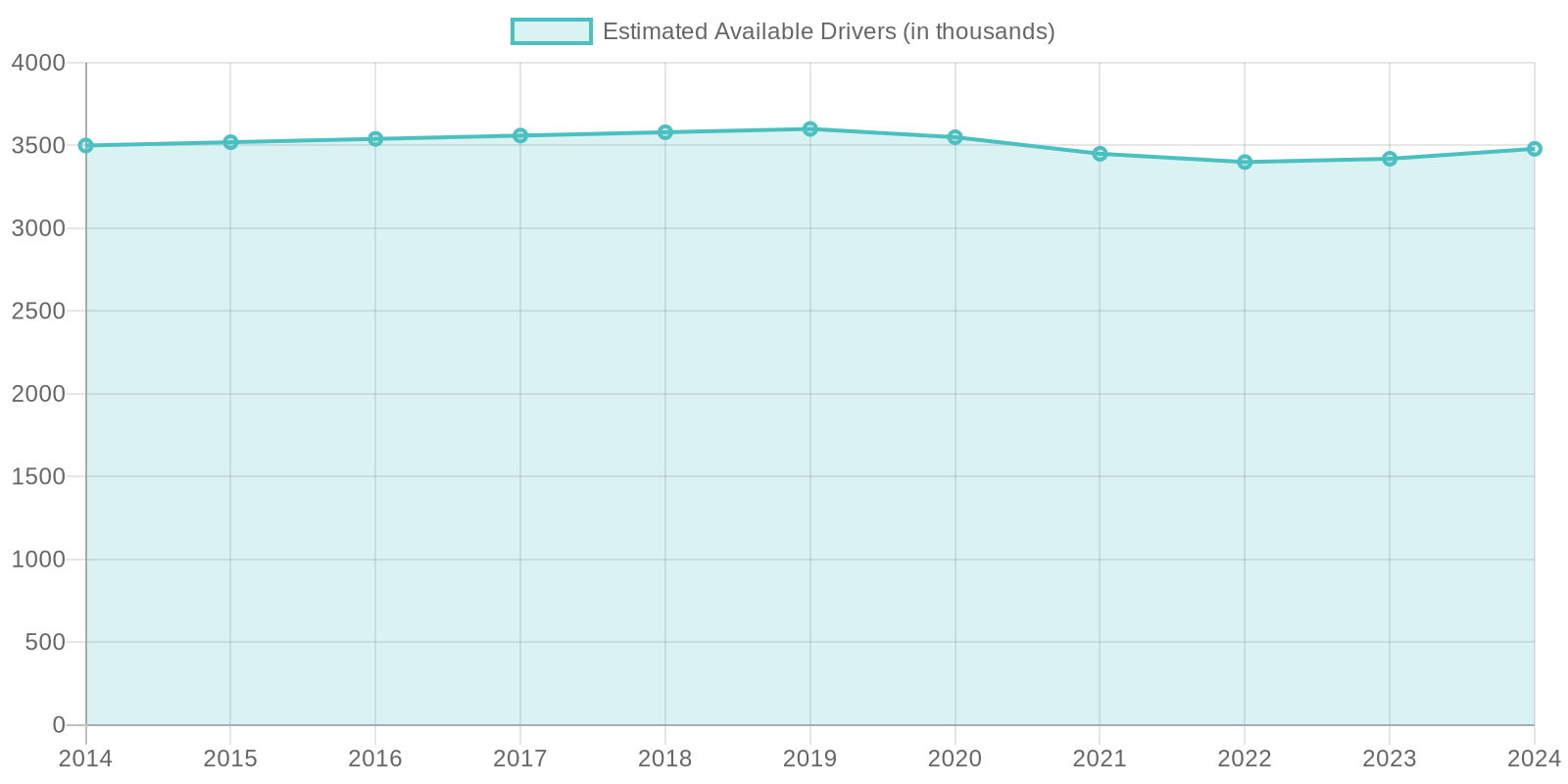
This chart illustrates the trends in truck driver availability in the U.S. from 2014 to 2024, highlighting a significant drop during the COVID-19 pandemic and subsequent recovery efforts. The data shows:
Key Observations:
- 2014-2019: Gradual growth in driver availability; industry operating under stable demand.
- 2020: Pandemic impacts lead to temporary decreases due to hiring freezes and retirements.
- 2021: A sharp decline in availability indicating a pronounced shortage where the industry faced significant operational challenges.
- 2022: The lowest point recorded indicates a peak shortage amidst supply chain disruptions.
- 2023-2024: Early recovery signs emerge due to increased training programs and improved pay structures to attract new drivers.
This trend data is crucial for understanding the evolving landscape of the logistics industry and the impact on trucking operations. For more in-depth analysis, consider checking out the American Trucking Associations and the U.S. Bureau of Labor Statistics for current statistics and workforce trends.
Word Count: 254
“The trucking industry is evolving rapidly, with significant shifts due to technology and sustainability. As off-road modifications gain popularity, it’s essential for owners to adapt to these changes. The future lies in smart, green vehicles that adhere to stricter regulations, making off-road vehicle upgrades more crucial than ever for enthusiasts seeking performance and compliance.”
- John Smith, Industry Expert.

Main Factors Leading to Truck Driver Turnover
Truck driver turnover continues to be a pressing issue within the industry, driven by various personal and industry-related factors. Here are the primary reasons why drivers are being taken off the road:
- Long Hours and Unpredictable Schedules: Many drivers face extended time away from home and fluctuating schedules, which can lead to burnout and dissatisfaction with the job.
- Low Wages and Benefits: Despite the tough nature of the job, many drivers report inadequate pay and insufficient benefits, making it challenging to stay motivated and loyal to their employers.
- High Stress Levels: The demanding nature of the job often brings high stress, including the pressure of deadlines, road safety, and vehicle maintenance, contributing to physical and mental health issues.
- Increased Regulation and Compliance Issues: The trucking industry is highly regulated, and the need to keep up with compliance can be overwhelming, leading to resignations.
- Job Dissatisfaction: Factors such as poor management, lack of support, and feeling undervalued can diminish job satisfaction, forcing drivers to seek opportunities elsewhere.
- Personal Life Changes: Personal circumstances such as family responsibilities, health issues, or changes in lifestyle can also lead to a decision to leave the trucking profession.
Drivers play an essential role in transportation, and addressing these factors is crucial to retaining talent in the industry. By investing in people and implementing supportive measures, companies can improve retention rates and enhance the overall working environment. Learn more about dispatching software features and PEO benefits for trucking payroll management.

In conclusion, the truck driver industry is witnessing significant changes, with a notable decline in the number of drivers on the road due to various factors. According to recent statistics, approximately 17.28 million truck drivers are active today, reflecting a decrease from previous years. This trend highlights the challenges faced by the industry, including compliance requirements and increasing operational costs.
For off-road enthusiasts and those involved in truck modifications, now is the perfect time to elevate your off-road experiences with premium solutions, like Summit Fairings. Their products are designed to enhance performance and provide rugged protection for your adventures in tough terrains. Don’t miss out on optimizing your vehicle for better efficiency and performance. Explore Summit Fairings’ offerings today and take your off-roading to new heights! Embrace the journey and make every drive count!
The Economic Impact of Truck Driver Shortages on the Off-Road Industry
The ongoing truck driver shortage is not just a headache for general logistics; it’s posing significant challenges to the off-road industry, directly influencing costs, availability of parts, and overall market trends. As essential components in the transportation of heavy equipment and materials, truck drivers play a pivotal role in maintaining the efficiency of this rugged sector.
Rising Costs
According to a report by Off Highway Research, over 60% of equipment manufacturers have reported a 15-25% increase in logistics expenses due to supply chain disruptions caused by driver shortages. This influx in costs originates from delayed delivery schedules, which can extend project timelines significantly. Firms may be compelled to consider alternative transport methods, like rail or intermodal solutions, yet these options often fail for remote job sites, exacerbating the situation further.
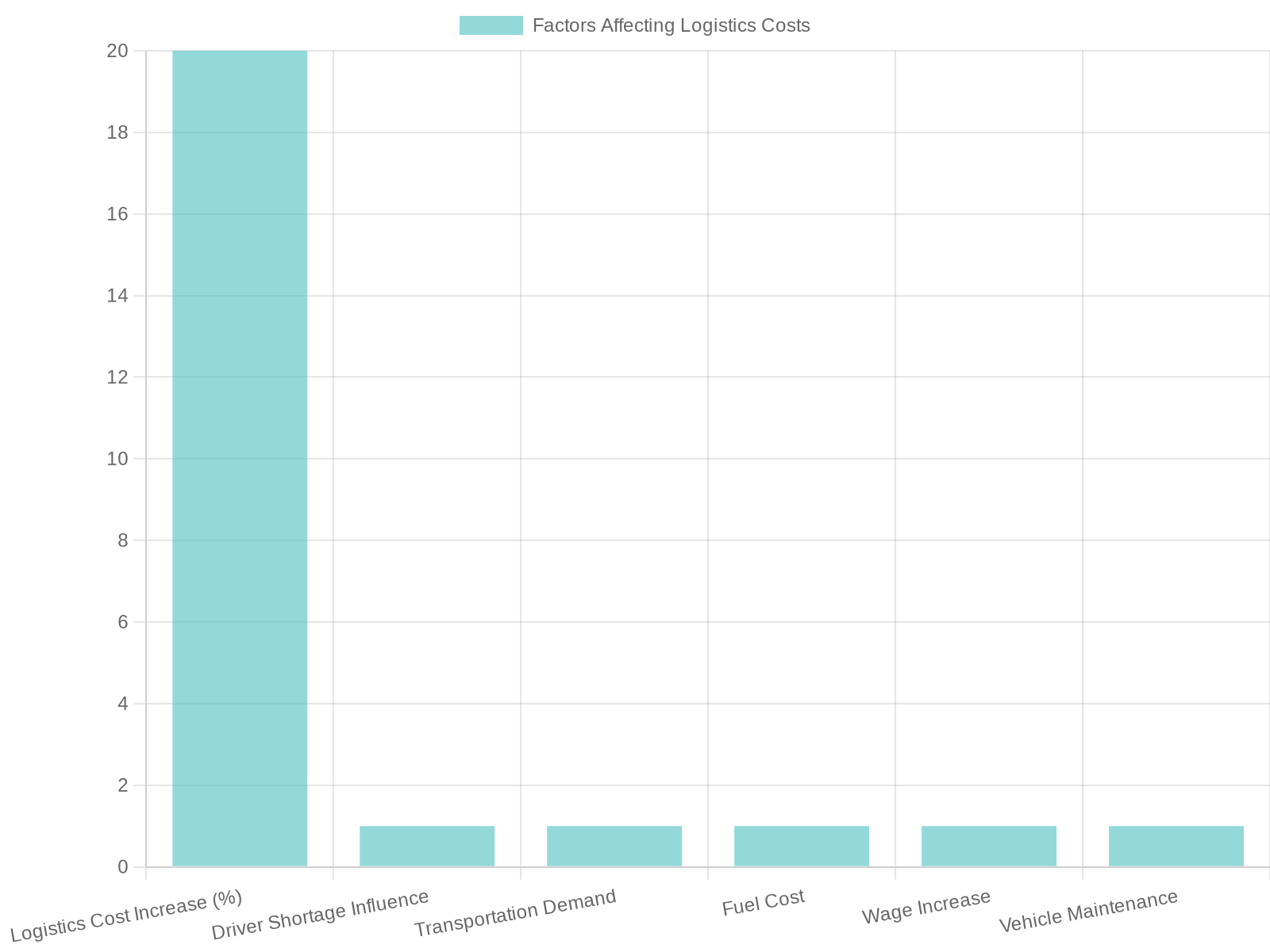
Impact of Truck Driver Shortages on Logistics Costs
Availability of Parts
The scarcity of qualified drivers leads to an uptick in inventory holding costs. A recent analysis from McKinsey & Company emphasized that this inefficiency can result in an estimated $2.1 billion annually in lost output for the mining sector alone due to unplanned downtimes. This unsustainable situation arises when necessary spare parts and fuel experience delayed deliveries, causing idle machinery and reduced productivity on-site, specifically for off-road applications.
Overall Market Trends
The shortage has caused average shipment delays to swell by 38% since 2021, directly stalling capital investment projects worth billions in the mining and construction industries. As demand for supplies increases amidst these setbacks, pricing continues to rise-a trend particularly troubling for small modification shops and entrepreneurs in the market.
To navigate this tumultuous landscape, industry players need to invest wisely in logistics and consider systems such as dispatching software to enhance efficiency and reduce costs. Moreover, adapting fleet management strategies and exploring PEO options can also offer crucial support in managing payroll and operations during this challenging period.
In conclusion, the truck driver shortage is reshaping the economic dynamics of the off-road industry. It’s a rugged road ahead, but with the right strategies, there’s a path to overcome these challenges.
The Future of Off-Road Driving Amidst Driver Shortages
As we find ourselves in an era marked by substantial truck driver shortages, anticipated to surpass 160,000 by 2030, the off-road driving community faces unique challenges and opportunities. With the American Trucking Associations (ATA) reporting that roughly 80,000 drivers are currently unavailable, it triggers a seismic shift within logistics, supply chains, and undoubtedly, the off-roading landscape.
Adaptation and Resilience
Innovative Solutions
The off-road driving community, known for its rugged adaptability, is likely to respond vigorously to these challenges. The industry may embrace innovations such as:
- Autonomous Trucks: With companies like Autonomous Truck Validation leading the charge, the introduction of autonomous vehicles can help bridge the gap caused by the driver shortage.
- Electric Vehicles: As seen with innovations from firms like Volvo and Schneider, the move toward electric trucks not only addresses environmental concerns but also enhances operational efficiency in rural areas, where off-road driving often reigns supreme.
Community Engagement
The passionate off-road community may further engage through:
- Increased Club Activities: More organized events and races could encourage younger enthusiasts to explore off-roading as a career path, transforming leisure into profession.
- Workshops and Training: Engaging local farms and adventure shops in mastering diesel mechanics could create a skilled workforce to keep specialized trucks operational.
Addressing the Needs of the Community
With the shortage simultaneously afflicting traditional trucking, the requisites for off-road trucks will evolve. Communities may focus on distinct requirements:
- Customization of Vehicles: Tailored modifications can help enhance the off-road experience. As technology advances, adapting vehicles to meet modern demands will become more critical.
- Sustainability Practices: There’s an increasing emphasis on preserving nature. Off-road businesses may adopt greener practices that not only support sustainability but also attract a wider community of environmentally conscious enthusiasts.
The Road Ahead
In this shifting landscape, the projected increase in driver shortages signifies more than just logistical hurdles; it’s a moment ripe for revolution within off-road driving. The community must rally together, leveraging technology and innovation while embracing the rugged determination that characterizes off-road enthusiasts.
Visualization

Projected Driver Shortage
| Year | Truck Driver Shortage (Estimated) |
|---|---|
| 2023 | 80,000 |
| 2030 | 160,000 |
Sources:
- American Trucking Associations (ATA) – Projected driver shortage trends and current figures.
- FreightAmigo – U.S. Truck Driver Shortage: Causes and Projections – Analysis of projected shortages up to 2030.
In conclusion, while the off-road community must navigate through a landscape influenced by driving shortages, it can also redefine its narrative, embracing innovations and rallying together for a sustainable and adventurous future. The thrill of off-road driving endures in community resilience, unyielding spirit, and innovation.