
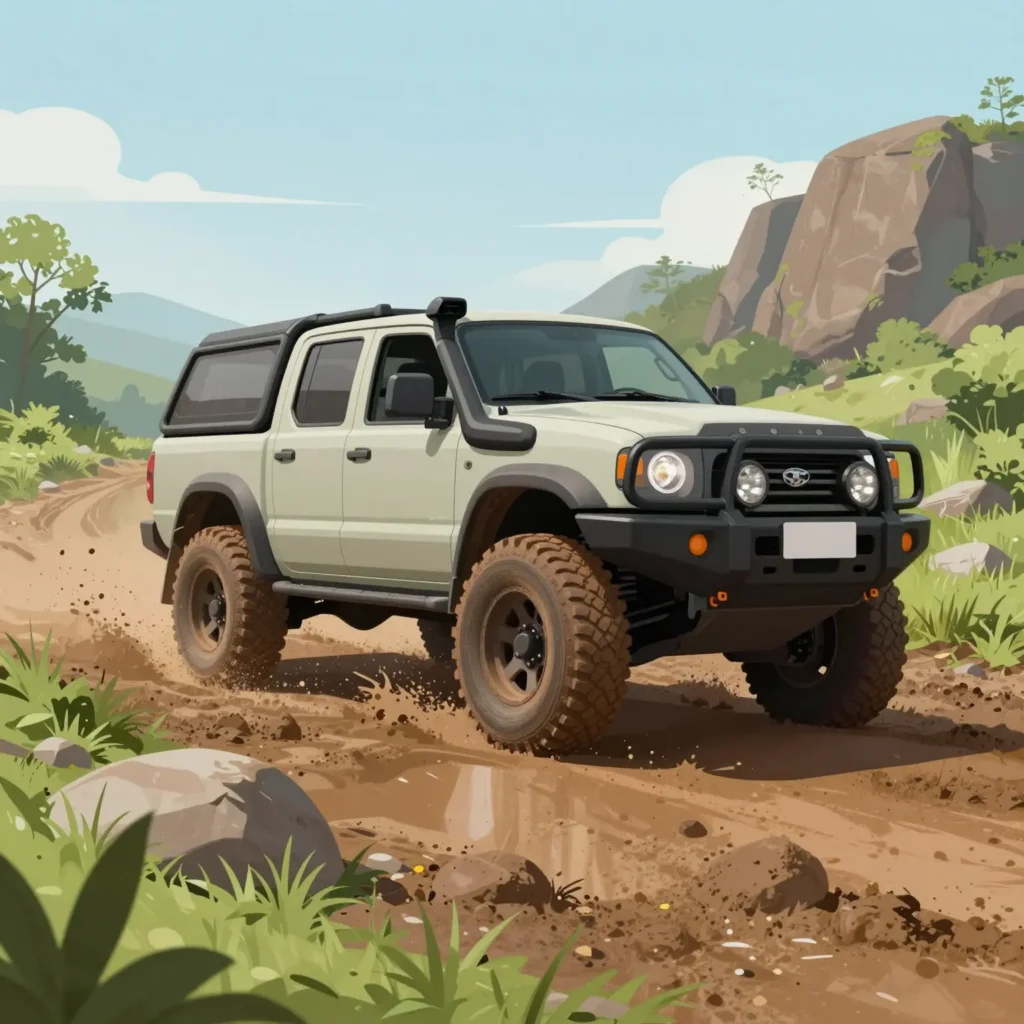
Embrace the Thrill of Off-Roading: Unleash Your Artistic Side
There’s something exhilarating about the roar of an off-road truck as it bounds over rugged terrain, splashing mud and climbing steep hillsides. For adventure enthusiasts, off-roading is not just a hobby; it’s a lifestyle, an escape into the wild where challenges spark the spirit of adventure. But what if you could translate that thrill into art? Learning how to draw an off-road truck is not merely about wielding a pencil; it’s your passport to capturing the essence of power, ruggedness, and adventure on paper. Imagine sketching the intricate details of oversized tires, the muscular frame, and the vibrant colors that embody the heart of off-road culture. Whether you’re a seasoned artist or a passionate beginner, this journey into the world of off-road truck illustration can ignite your imagination and fuel your creativity. Join us in discovering the techniques that will bring these mechanical beasts to life, bridging the gap between art and adventure. Get ready to rev your engines and unleash your artistic potential!
For tips on indispensable features that enhance adventure experiences, explore our article on must-have features of dispatching software.
Let’s dive into the basics of drawing your ultimate off-road vehicle!
Materials Needed to Draw an Off-Road Truck
Drawing an off-road truck requires a well-equipped drawing toolkit. Here’s a list of essential materials that cater to every artist’s needs:
-
Paper:
-
Drawing Pad: A medium-weight paper suitable for graphite and colored pencils provides the best surface.
-
Sketchbook: Great for quick sketches and exploring designs.
-
Pencils:
-
Graphite Pencils: Ranging from 2H to 6B for different shading and detailing.
-
Colored Pencils: High-quality colored pencils (like Prismacolor) for vibrant coloring effects.
-
Erasers:
-
Kneaded Eraser: Perfect for gentle lifting of pencil marks while providing precise control.
-
Vinyl Eraser: Excellent for clean erasing without damaging the paper.
-
Other Optional Tools:
-
Markers: For adding bold lines and detailing.
-
Blending Stumps: Useful for smooth shading transitions.
-
Sharpener: A good sharpener ensures your pencils maintain a fine point.
These materials will set you on the path to creating stunning representations of off-road trucks, perfect for any off-road enthusiast looking to showcase their passion in art. Check out some must-have features for more insights into tools that enhance productivity-even in creative endeavors!
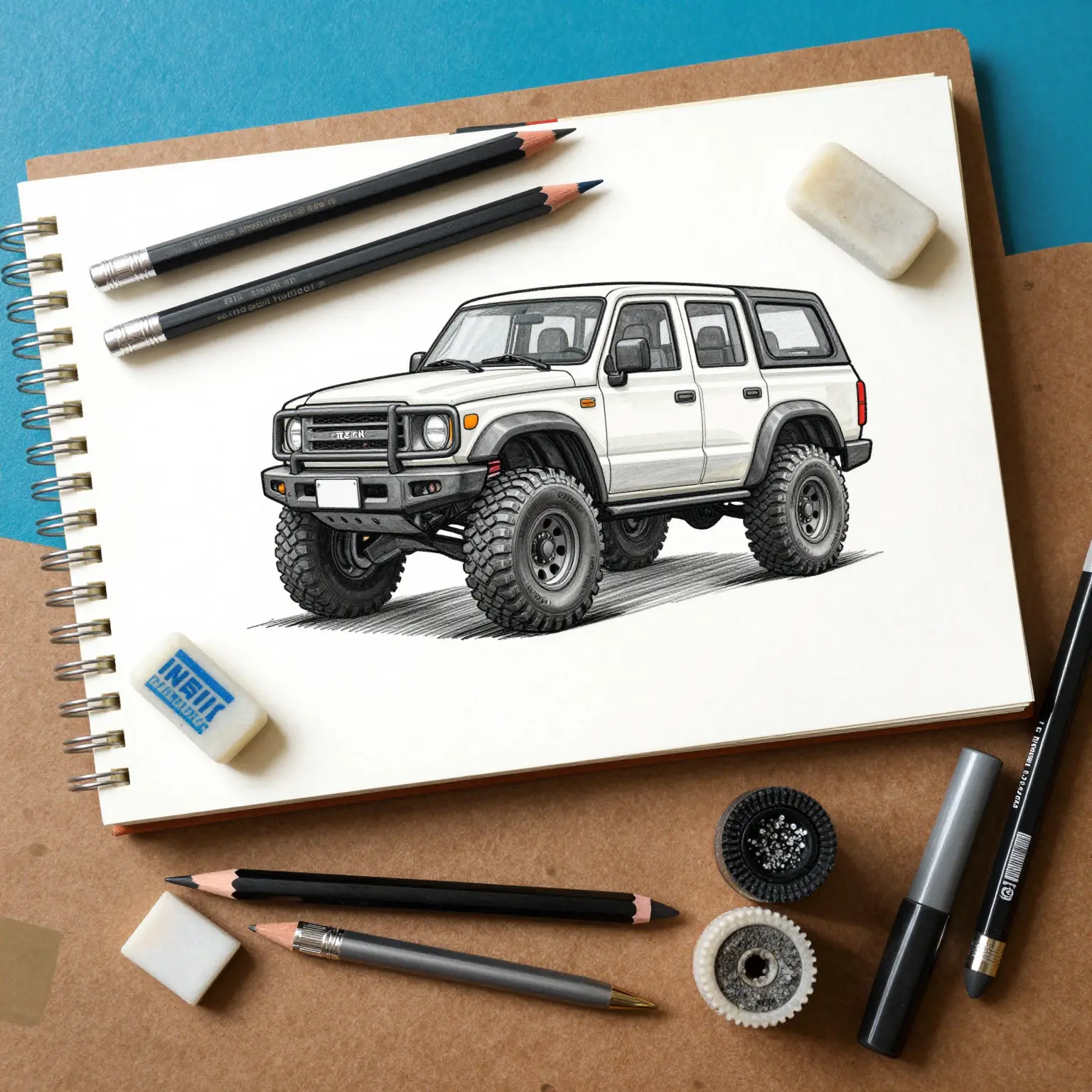
With the right materials, let your creativity flow and capture the rugged spirit of off-road adventures in your artworks!
How to Draw an Off-Road Truck: A Step-by-Step Guide
Drawing an off-road truck is not only a thrilling challenge but a great way to express your passion for rugged vehicles designed for adventure! This guide is tailored for both beginners eager to learn and experienced artists looking to sharpen their skills. Let’s get those pencils ready as we dive into how to draw an off-road truck in detailed steps!
Step 1: Gather Your Materials
Before we start, make sure you have the right materials:
- Pencils (HB for sketching, darker pencils for detailing)
- Eraser
- Paper (preferably thicker paper to withstand erasing)
- Ruler (for straight lines and proportions)
- Coloring materials (optional; markers or colored pencils for finishing touches)
Step 2: Understand the Basic Shapes
To simplify your drawing, begin with basic shapes that form the truck structure:
- Rectangle for the body
- Circles for the wheels
- Trapezoid for the truck’s cab
This foundational technique is fundamental in how to draw an off road truck effectively, as it ensures all parts are well proportioned.
Step 3: Sketch the Outline
Using light pencil strokes, sketch the outlines of the truck:
- Body: Draw a rectangle to represent the main body of the truck, ensuring it’s wide and bulky.
- Wheels: Place circles under the body-two large circles at the back and two slightly smaller ones in the front to represent the off-road tires.
- Cab: Sketch a trapezoid shape above the rectangle for the driver’s area.
- Rooftop: Add a curved line connecting the cab to the body for a more rugged look.
Step 4: Add Details for Realism
This is where your truck starts to look more like an off-roader:
- Wheels: Enhance the wheels by drawing them thicker with tread designs for grip. Don’t forget to add hubcaps or bolts on the rims.
- Windows: Draw the windows of the cab as rectangles; consider shading to create a reflective look.
- Grille: Make a mesh pattern for the front grill, which adds character to your truck.
- Bumpers: Draw robust fenders and bumpers that emphasize durability.
- Decals: You can add decals or racing numbers on the side to capture that adventurous spirit!
Step 5: Refine Your Drawing
Now that the main elements are in place:
- Erase any unnecessary lines carefully without damaging the paper.
- Darken important lines with a darker pencil or pen for contrast.
- Consider textures such as adding shading to wheels and deeper lines around the body.
Step 6: Coloring Your Drawing
If you want to add color:
- Choose earthy tones like greens or browns for a natural look.
- Bright colors such as reds or blues can make your off-road truck stand out.
- Use darker shades for shadows to give depth and dimension.
Step 7: Finishing Touches
- Once you’ve shaded and colored your truck, take a step back and identify any areas that may need adjustments or additional details.
- Add highlights to metal areas using a white pencil or gel pen to create a glossy effect.
- You might want to draw the truck in action, perhaps splashing through mud or climbing a hill, to set the scene.
Tips for Improvement
- Keep practicing! The more you draw, the better your technique will become.
- Study real off-road trucks through images or learn more about truck features to get ideas.
- Attend drawing workshops or join online forums dedicated to vehicle drawing.
Conclusion
Now you know how to draw an off road truck! Remember, every artist has their unique style, so don’t hesitate to put your personal touch on your drawings.
Practice regularly, and before long, you’ll be sketching impressive off-road trucks like a pro. Share your creations with fellow enthusiasts, and maybe even check out this guide to further enhance your artistic journey.
Key Features of Off-Road Trucks
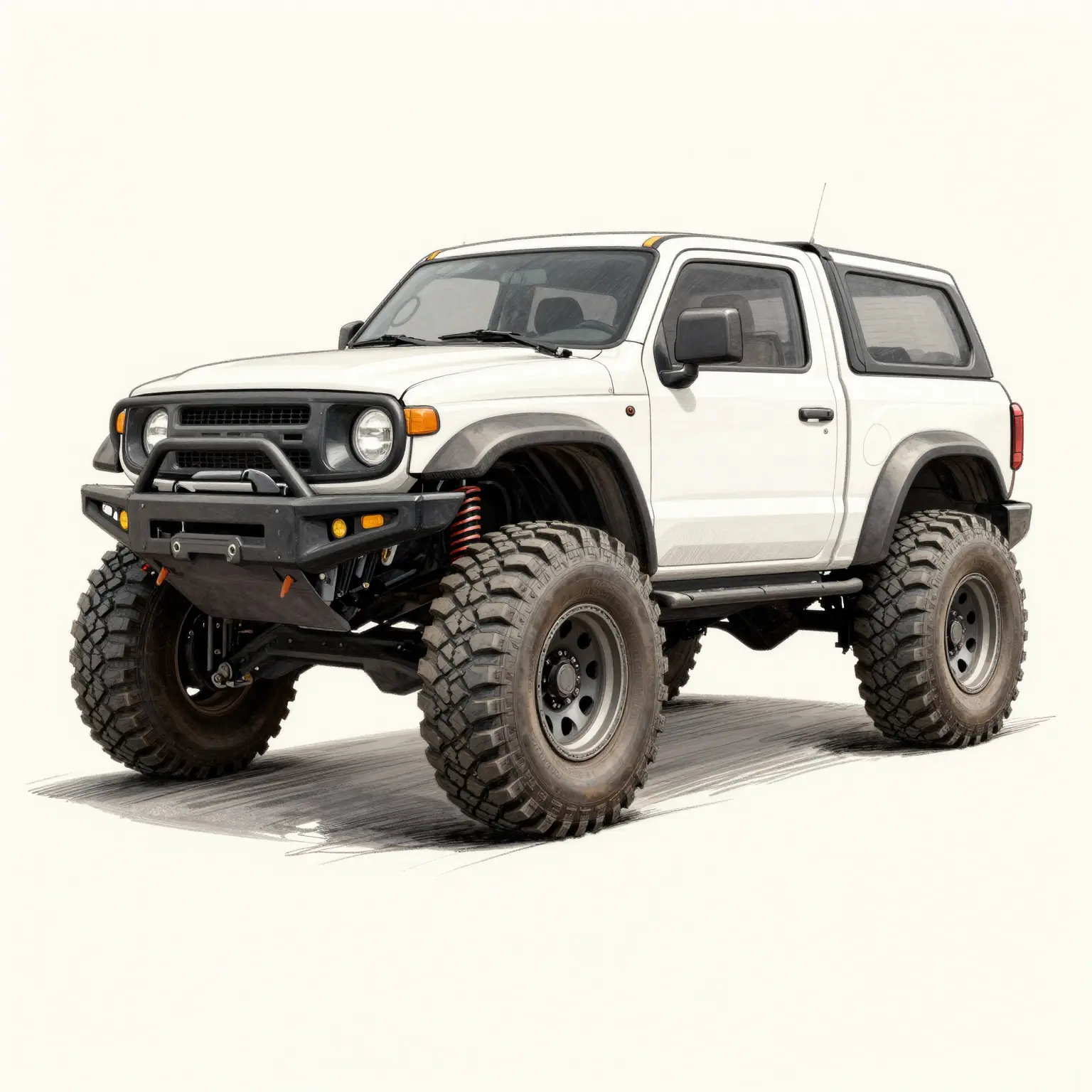
Off-road trucks are engineered to conquer the wild, embodying a ruggedness and practicality that resonate with adventurers and off-road enthusiasts. At the heart of these vehicles is their advanced suspension system, designed to absorb shocks from uneven terrains and provide a smooth ride, no matter how bumpy the trail. This exceptional suspension is crucial for maintaining control and comfort during intense off-road excursions, allowing drivers to tackle steep inclines and rocky paths without hesitation.
The tire selection on off-road trucks is equally remarkable. Bulky, aggressive tires with deep tread patterns provide the necessary traction on slippery, muddy, or uneven surfaces, helping vehicles navigate through challenging landscapes with ease. Larger tires not only enhance ground clearance but also improve stability, ensuring that off-road adventures are both safe and exhilarating. For those looking to maximize performance, considering the appropriate tire for various terrains, such as mud or sand, is essential. Learn more about navigating off-road tire choices.
Additionally, the body style of off-road trucks is designed for durability and functionality. Sturdy frames, often made from high-strength materials, withstand the rigors of off-road driving while offering the spaciousness needed for equipment and gear. The robust design not only lends the truck an imposing presence on the road but also provides the versatility required for everything from agricultural tasks to thrilling off-road races, catering to a wide spectrum of users from rural landowners to racing enthusiasts. Combined, these features make off-road trucks a reliable choice for those who seek both adventure and utility. Prepare to celebrate the freedom that an off-road truck brings to your life, allowing you to explore the unexplored and push the limits of your driving experience!
Popular Off-Road Truck Comparison Table
For off-road enthusiasts, selecting the right truck is crucial for enhancing both performance and adventure. Here’s a comparison of some of the popular off-road truck models available in 2023, highlighting their key features and specs.
| Model Name | Year | Key Features | Price Range |
|---|---|---|---|
| Ford F-150 Raptor | 2023 | High-output 3.5L EcoBoost V6, advanced terrain management system with off-road mode, 12-inch digital gauge cluster | $65,000 – $75,000 |
| Jeep Gladiator | 2023 | 4WD system, removable doors and roof, high ground clearance, option for eco-diesel engine | $45,000 – $55,000 |
| Toyota Tacoma TRD Pro | 2023 | Off-road tires, upgraded suspension, and an impressive crawl control system | $43,000 – $50,000 |
| Chevrolet Colorado ZR2 | 2023 | Multimatic DSSV dampers, locking front and rear differentials, high clearance for better terrain navigation | $48,000 – $55,000 |
| GMC Sierra 1500 AT4 | 2023 | 2-inch factory lift, Goodyear Wrangler DuraTrac tires, rugged off-road-inspired styling | $69,000 – $75,000 |
| RAM 1500 TRX | 2023 | Supercharged 6.2L HEMI V8, 702 hp, high-performance off-road tires, adaptive off-road suspension | $78,000 – $90,000 |
These trucks are designed not only for rugged terrains but also for reliability and comfort in various driving conditions. Whether you’re racing through mud, climbing rocky hills, or traversing rough forests, each of these models presents unique features that cater to off-road enthusiasts. To learn more about essential features to look for in trucks, you can explore our related articles.
Tips for Shading and Detailing Off-Road Trucks
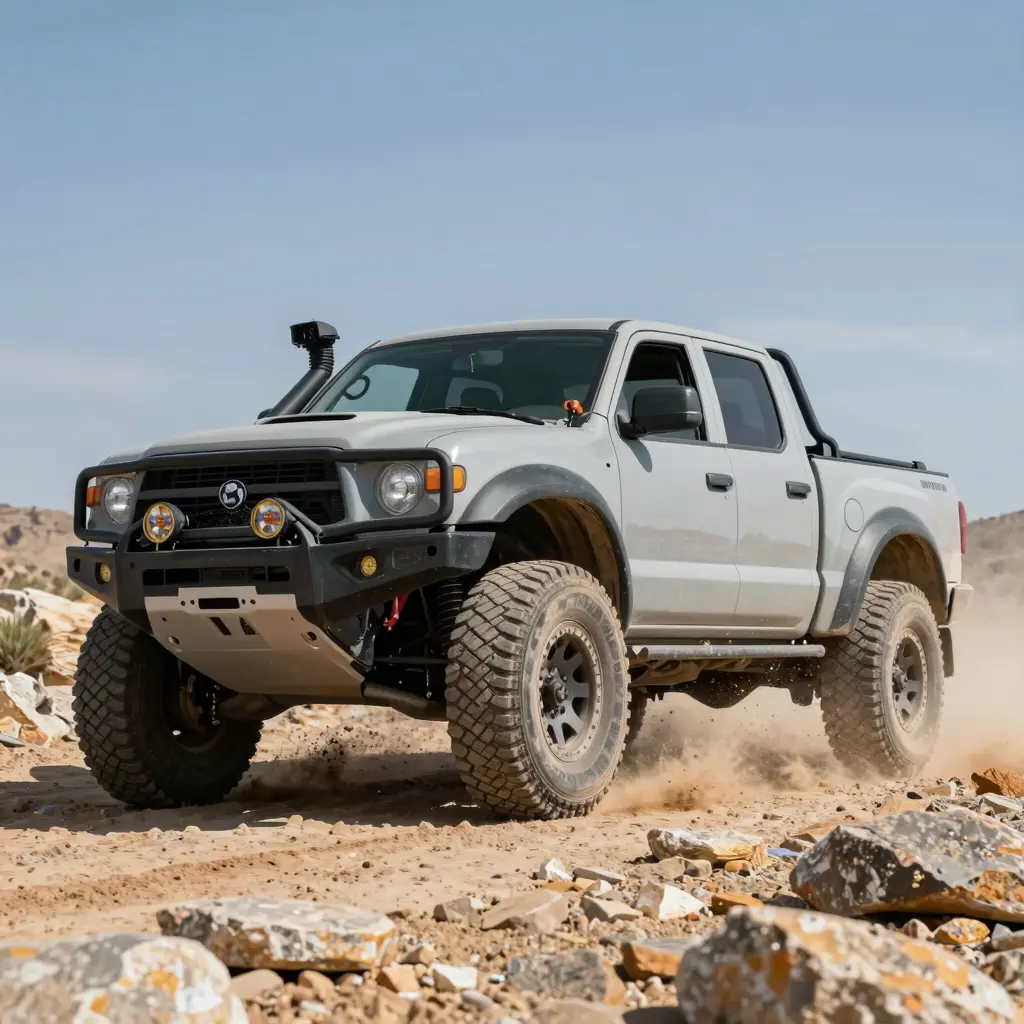
Creating a realistic representation of off-road trucks involves skillful shading and detailing techniques that amplify the depth and texture of your drawings. Here are some expert tips to guide you:
-
Establish a Light Source: Before you begin shading, determine where the light is coming from. This will dictate where you place highlights and shadows. A strong light source can create pronounced contrasts, which are essential for making the truck appear three-dimensional.
-
Layer Your Shading: Use multiple layers of shading to create depth. Start with lighter shades and gradually add darker tones to build up the form. This layered approach allows for smoother transitions and a more realistic appearance. Utilize soft pencils for blending while keeping the edges soft, mimicking the contours of the truck’s exterior.
-
Use Textures to Your Advantage: The surface of an off-road truck can vary, ranging from shiny metal parts to rough, textured tires. Take care to incorporate different shading techniques for these materials. For metallic surfaces, use fine lines and lighter shading to give an impression of smoothness and sheen. Meanwhile, for textured surfaces like tires, use cross-hatching or stippling to indicate roughness.
-
Focus on Details: Attention to details can make or break your drawing. Incorporate elements like mud splatters, dirt marks, or scratches that reflect the truck’s rugged nature. Realistic details contribute to authenticity, making viewers feel the essence of the off-road experience.
-
Work with Contrasts: High contrast increases depth; for example, dark undercarriages against lighter truck bodies emphasize shapes. Utilize shading to highlight the truck’s unique contours and outline the essential elements like the grill, headlights, and wheel wells.
-
Observe Real Trucks: Spend time examining actual off-road trucks for inspiration. Take notes on how light interacts with different surfaces, the types of shadows created, and how depth can be expressed through shading.
For more detailed techniques on achieving realism in your drawings, consider reading this guide on realistic pencil art. Each stroke contributes to the rugged and passionate spirit of off-road adventuring. Be patient and practice; each drawing is a step closer to mastery. Remember, your skills grow with every truck you shade!
Off-Road Truck Performance Statistics
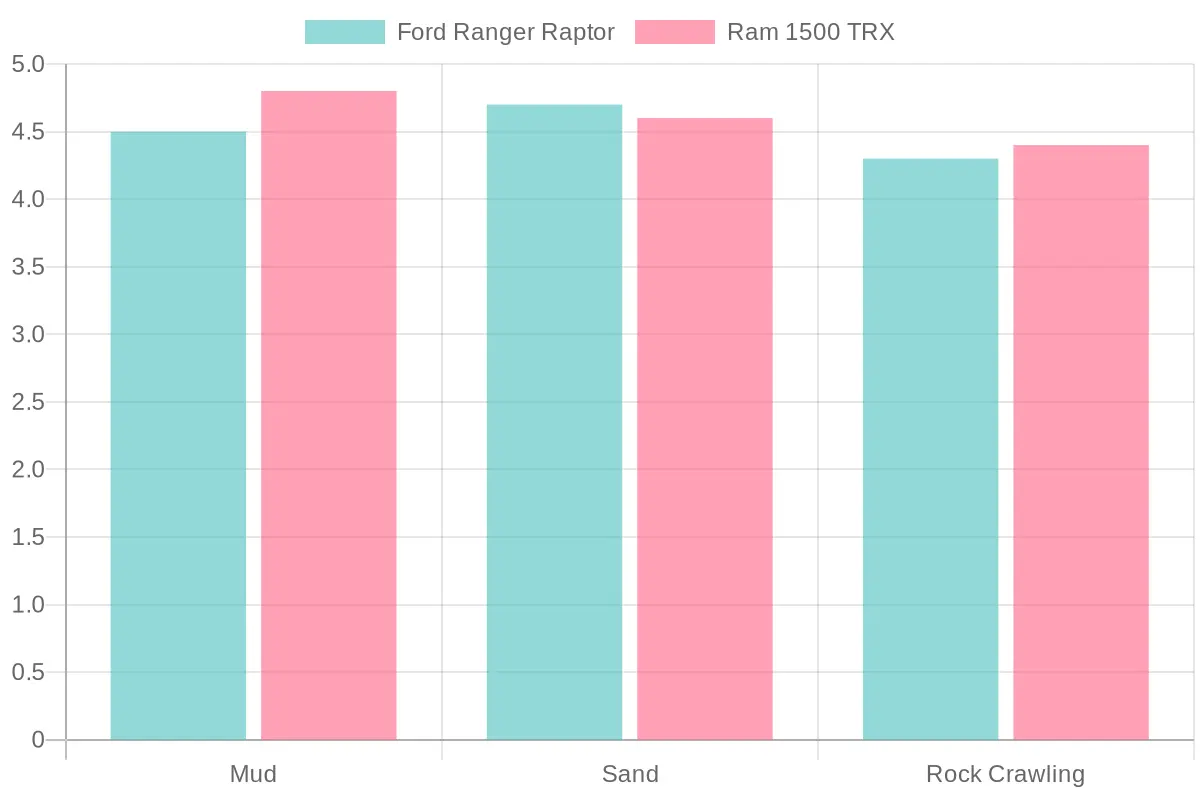
Understanding the performance capabilities of off-road trucks is essential for enthusiasts and adventurers. The following chart illustrates the traction ratings of popular models like the Ford Ranger Raptor and the Ram 1500 TRX under different driving conditions: mud, sand, and rock crawling. This information is crucial for those who are planning their next off-road adventure.
Chart: Traction Ratings of Ford Ranger Raptor and Ram 1500 TRX Across Driving Conditions
-
Ford Ranger Raptor:
-
Mud: 4.5
-
Sand: 4.7
-
Rock Crawling: 4.3
-
Ram 1500 TRX:
-
Mud: 4.8
-
Sand: 4.6
-
Rock Crawling: 4.4
These ratings reflect the capabilities of each model across different terrains, helping you make an informed choice about which truck to take on your off-road journeys. For more expert insights, feel free to learn more about off-road truck features.
Summary of Performance Metrics
| Model | Traction Rating | Torque (lb-ft) | Suspension Effectiveness | Driving Condition |
|---|---|---|---|---|
| Ford Ranger Raptor | 4.5 | 405 | Excellent | Mud |
| Ford Ranger Raptor | 4.7 | 405 | Superior | Sand |
| Ford Ranger Raptor | 4.3 | 405 | Good | Rock Crawling |
| Ram 1500 TRX | 4.8 | 650 | Excellent | Mud |
| Ram 1500 TRX | 4.6 | 650 | Superior | Sand |
| Ram 1500 TRX | 4.4 | 650 | Good | Rock Crawling |
The Essence of Off-Road Truck Art
Creating accurate depictions of off-road trucks goes beyond mere artistry; it encapsulates the thrill of adventure, the power of machinery, and the spirit of exploration. As celebrated off-road vehicle racer and artist Jimmie Johnson once said:
“Off-road racing is not just a sport; it’s a lifestyle that connects us to the land and each other.”
This quote perfectly illustrates the importance of representing off-road trucks in art, as it highlights the physical demands and the pride involved in this exhilarating pursuit.
Off-road trucks are not just vehicles; they are symbols of freedom and adventure. Capturing their essence on canvas or in any artistic form can inspire and instill the same excitement in the viewers as felt by those who drive them.
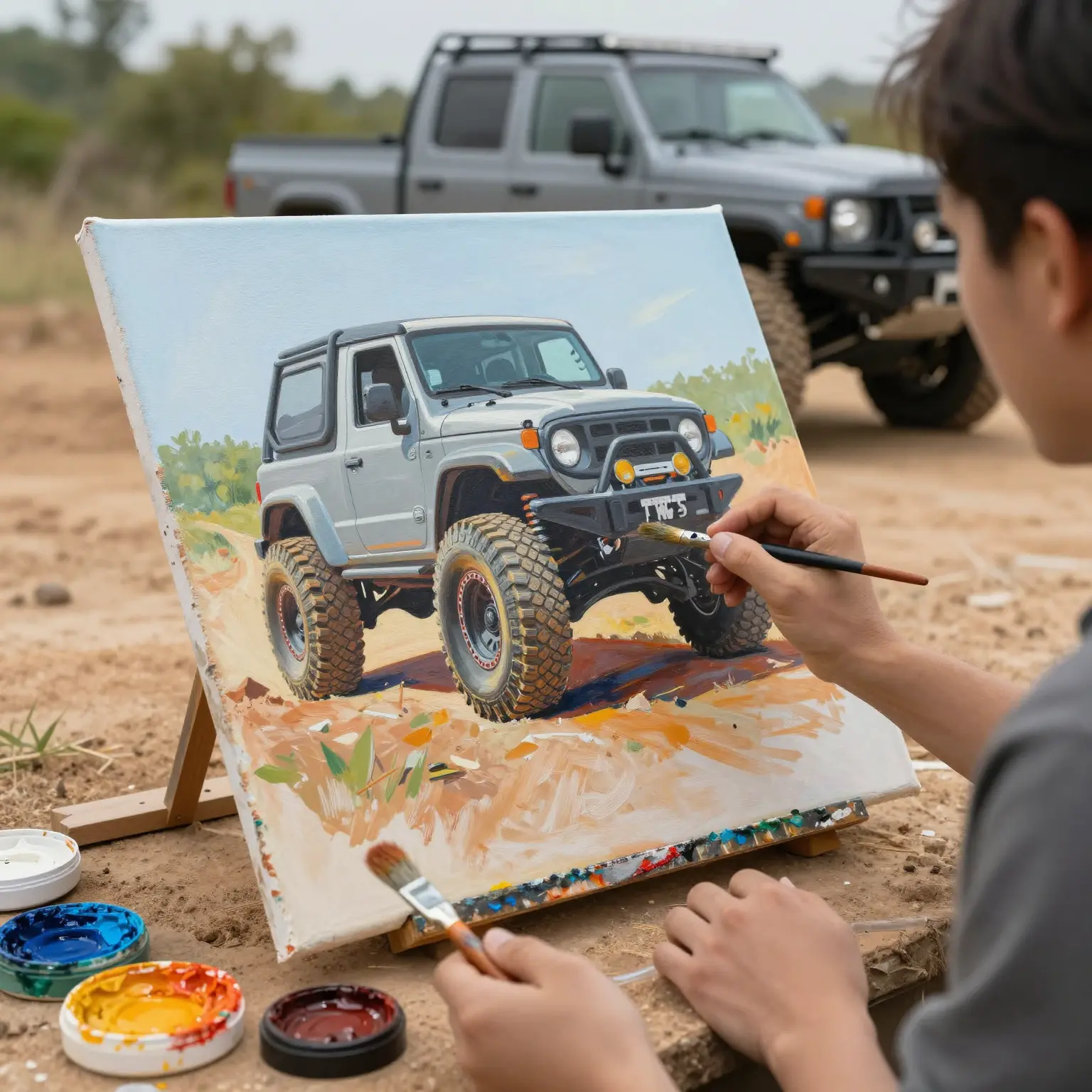
The creative process of depicting off-road trucks not only showcases their engineering prowess but also tells a story of adventure and exploration.
Through art, we can convey the power and ruggedness of these trucks, reflecting their capability to conquer the wildest terrains. Whether you are a painter or a digital artist, capturing the thrill of off-roading can ignite your creativity and connect you to a community that shares your passion for these magnificent machines.
If you want to further enhance your skills, consider exploring mastering diesel mechanics to appreciate the intricacies behind the vehicles you depict!
Conclusion
Drawing an off-road truck is not just about lines and curves; it’s an exhilarating expression of passion for adventure and ruggedness. Each stroke brings to life the spirit of the wild, inviting you to visualize your next adventure on rough terrains. As you immerse in this creative process, you’ll find a sense of satisfaction in crafting a vehicle built for exploration, resilience, and freedom. Whether you’re sketching in your notebook or finalizing a digital design, remember that your creativity can transform a blank page into a powerhouse roaring through mud and dirt.
Now that you have the skills to draw an off-road truck, why not take it a step further? Enhance your creative journey by customizing your designs with high-quality parts and accessories from Summit Fairings. They offer outstanding options to elevate your off-road experience both on paper and in reality. Embrace the adventure; explore the possibilities and make your vision come alive!