
The Allure of Off-Road Adventures and the Practicality of Road Diesel
For those with a rugged spirit and a craving for adventure, off-road driving offers an exhilarating escape from the mundane. The allure of off-road adventures lies in the thrill of conquering uncharted territory, where the path less traveled becomes a playground for the daring. Picture this: the roar of your engine echoes through a forest, dust kicks up beneath your tires as you navigate rocky trails, and the horizon opens up to breathtaking vistas, far removed from the hustle and bustle of city life. Off-roading appeals not just for the adrenaline rush; it’s about forging connections with nature, forming bonds with fellow enthusiasts, and embracing a lifestyle that celebrates freedom and exploration.
Thriving in a close-knit community, off-roaders swap tales of their adventures, sharing tips and tricks for modifying their trucks for optimal performance. Yet, beneath this passion for exploration lurks a practical concern: the type of fuel that powers these mechanical beasts. Enter road diesel-typically used in on-road vehicles-sometimes whispered in the same breath as off-road diesel, raising a pivotal question among the adventurous: can I burn off-road diesel in my truck?
This inquiry is not merely academic; it touches on legalities that can have serious implications. Off-road diesel, distinguished by its red dye, is designed for non-taxable uses on farms and off-road vehicles. Using it in trucks intended for highway travel can lead to fines and penalties that no enthusiast wants to encounter. So, as you tackle the next obstacle in your off-road journey, consider not just the thrill of the ride but also the legal road you’re traveling down. How can you enjoy the rugged life without running afoul of the law? It’s a challenge that every serious off-roader must navigate, threading the line between passion and legality.
As you gear up for your next adventure, ponder the implications of your fuel choice and explore your options wisely. Dive deep into this topic to discover how to fuel your adventures legally without compromising on the thrill.
Whether you’re an off-road racing fan captivated by speed or a landowner tending to rugged terrain, ensuring your vehicle is compliant with fuel regulations is as paramount as the adventure itself. Learn more about the must-have features for optimal dispatching software to manage your operations efficiently.
Let the adventure begin, but remember-the path to freedom is also paved with knowledge and responsibility.
Common Uses of Road Diesel in Off-Road Vehicles
Off-road diesel, often recognized for its distinctive red dye, serves a multitude of vital purposes across various sectors, particularly in off-road activities. The rugged, adventurous spirit of off-road enthusiasts thrives on the efficiency and power provided by diesel engines. Here are some of the common uses:
-
Agriculture: Diesel is the backbone of agricultural machinery. Farmers consistently rely on off-road diesel to power tractors, combines, and other heavy equipment, enabling them to operate efficiently without incurring higher fuel taxes. The use of red-dyed diesel fuels for agricultural operations proves crucial, empowering farmers to maximize their productivity while cutting down on expenses.
-
Construction: In the construction sector, diesel engines power bulldozers, excavators, and other machinery required for site preparation and earth-moving tasks. Using off-road diesel helps contractors reduce fuel costs significantly as they work on various projects over rugged terrains.
-
Off-Road Racing: Enthusiasts in off-road racing, including events like Baja 1000, utilize diesel in high-performance vehicles. The robust torque and efficiency of diesel engines allow racers to navigate challenging terrains while achieving impressive speeds.
-
Recreational Activities: Off-road vehicles designed for recreational use, such as ATVs and UTVs, frequently operate on diesel. Enthusiasts exploring trails and challenging terrains appreciate the reliability and power these diesel engines offer.
-
Land Development and Timber Operations: Off-road diesel fuels vehicles used in land clearing and other lumber-related activities, providing the necessary power for log skidders and chippers.
-
Remote Operations: Diesel generators, often used in off-road environments, sustain power for camping sites, mining operations, and remote facilities where electricity is scarce. The portability of diesel equipment allows for operational flexibility in harsh settings.
-
Military Applications: Diesel engines are standard in military off-road vehicles. Their durability, longevity, and fuel efficiency are critical in challenging operational conditions, whether in training or combat.
Off-road diesel fuels a variety of pursuits, embodying the spirit of exploration and ruggedness that off-road enthusiasts cherish. Embracing this dynamic fuel not only enhances operational efficiency in various sectors, from farming to racing but also supports a vibrant community of adventurers pushing the limits of terrain exploration.
Can I Burn Off-Road Diesel in My Truck? Understanding the Legal Regulations
As a rugged off-road enthusiast, nothing feels as satisfying as taking your truck into uncharted territories. However, understanding the legalities surrounding the fuel you use-particularly when it comes to burning off-road diesel in trucks-is critical.
What is Off-Road Diesel?
Off-road diesel, commonly dyed red, is intended for vehicles not on public highways, such as farm and construction equipment. It’s exempt from certain fuel taxes that apply to on-road diesel. However, using off-road diesel in highway trucks is illegal and can result in hefty penalties.
Regional Regulations
Legal regulations concerning the use of diesel are not uniform and can significantly vary by region.
-
California is at the forefront, enforcing strict regulations aimed at reducing air pollution from heavy-duty trucks. The state has proposed to phase out diesel-burning trucks entirely, replacing them with zero-emission alternatives by 2045. Fines for using off-road diesel illegally can mount quickly, with significant penalties for repeat offenders.
-
In Indiana, civil penalties for using off-road diesel in on-road vehicles start at $200 for a first offense and escalate dramatically to $2,500 for subsequent violations. Inspections often include testing fuel for dye detection.
-
Federal regulations from the EPA are also intensifying, tightening pollution limits on heavy-duty vehicles. These new rules will affect 17 categories of heavy-duty trucks, reinforcing the legal framework against burning off-road diesel in trucks that are used on public roads.
Penalties for Violating Diesel Regulations
Burning off-road diesel in trucks designed for road use can have severe consequences. Below is a chart detailing penalties from selected states:
| State | Penalty Description | First Offense | Second Offense |
|---|---|---|---|
| Indiana | Civil penalty for illegal use of off-road diesel | $200 | $2,500 |
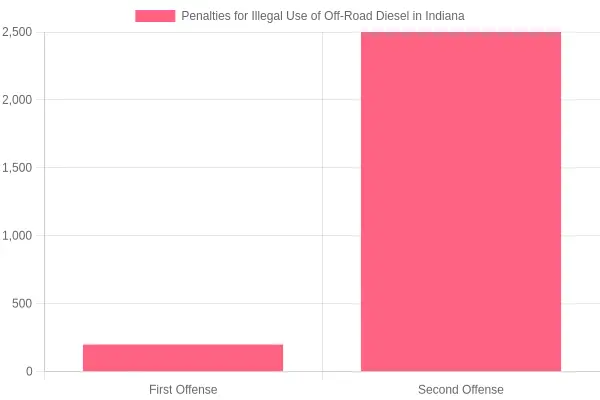
Each state has its own penalties that increase with repeated offenses. It is essential to check local laws to understand the ramifications thoroughly.
Conclusion
As you gear up for your next off-road adventure, ensure your truck is compliant with all diesel regulations to avoid unpleasant fines. Off-road diesel may seem like a viable choice, but the potential legal risks can put a damper on your rugged spirit. Always check with local regulations and ensure you’re fueling your adventures correctly. For more insights on diesel mechanics and compliance, you can master diesel mechanics to keep your truck running smoothly and legally.
The Rugged Advantage of Road Diesel for Off-Road Use
When it comes to powering your off-road adventures, the choice between off-road and road diesel can be a pivotal decision. Many off-road enthusiasts have casually underestimated the benefits of using road diesel in their off-road vehicles. Let’s explore why it could be the smart choice for performance, cost-effectiveness, and environmental considerations.
Performance
Road diesel, designed for vehicles that travel on public roads, boasts a higher power output that can greatly enhance off-road performance. Unlike traditional off-road diesel-commonly dyed red to indicate non-taxable status-road diesel is engineered for optimal efficiency and power at higher speeds. Off-road vehicles using this fuel can experience:
- Greater Torque: Essential for tackling steep hills and uneven terrain, making your climb smoother and more reliable.
- Improved Acceleration: Perfect for competitive off-road racing or when navigating through thick mud and rocky trails.
While conventional off-road vehicles often come equipped with heavy-duty machinery, adding road diesel to the mix can push performance limits.
Cost-Effectiveness
Let’s be real-keeping a hobby like off-roading can drain your pockets in no time. The reality is that while road diesel may be subject to higher taxes, its advantages can outweigh the costs:
- Fuel Efficiency: Road diesel is designed for efficiency, meaning your vehicle can go further on less fuel, often saving you money in the long run during extensive off-road excursions.
- Potential Resale Value: Off-road vehicles modified for optimal performance using road diesel can retain their value better when it comes time to trade or sell.
While off-road diesel seems cheaper upfront, the operational costs can add up quickly, especially when you’re putting your vehicle through its paces.
Environmental Considerations
Let’s face it, eco-consciousness matters-even for the rugged and adventurous. Road diesel complies with stringent emissions standards, ensuring that you keep your adventures clean while still enjoying every ounce of power available. Here’s a dive into the environmental considerations:
- Lower Sulfur Content: Road diesel typically has lower sulfur content, which decreases harmful emissions put forth from the vehicle, allowing for a greener ride.
- Regulatory Compliance: Vehicles that use road diesel adhere to stricter environmental regulations, which can be a crucial factor for those using their off-road vehicles in sensitive areas.
Choosing road diesel doesn’t just benefit your vehicle’s performance-it positively impacts the environment around you.
Conclusion
In sum, using road diesel for off-road purposes can significantly enhance your vehicle’s performance, prove to be more cost-effective over time, and support better environmental practices. If you’re an off-road enthusiast seeking that extra edge, consider making the switch. Each journey you embark on deserves reliable fuel-just remember that the right choice at the pump paves the way for epic adventures on the rugged trails ahead.
For a deep dive on ventilation and maintenance, check out mastering diesel mechanics to ensure you’ve got everything at your fingertips for optimizing performance.
| Fuel Type | Price per Gallon | Availability | Environmental Impact |
|---|---|---|---|
| Road Diesel | $5.60 | Widely available in urban areas | High emissions, major contributor to air pollution. |
| Off-Road Diesel | $5.60 | Available at specific suppliers (farms/machinery) | Lower emissions than on-road diesel, but still significant. |
| Other Diesel Types | Varies (usually similar to above) | Limited availability, often needs special procurement | Varies widely, some bio-diesels have lower emissions. |
Modifications Required to Use Road Diesel in Off-Road Trucks
When it comes to off-road trucks, the choice between using road diesel and off-road diesel is crucial, especially for off-road enthusiasts and adventurers who want to optimize performance while complying with regulations. Though off-road diesel is typically the fuel of choice for agricultural and construction vehicles, some may consider using road diesel for its higher performance standards instead of off-road alternatives.
Understanding the Basics
Off-Road Diesel: This variant of diesel, often dyed red, is specifically designed for non-highway vehicles and is exempt from state and federal road taxes, making it more economical.
Road Diesel: Clear and higher-cost due to applicable taxes, this fuel meets stricter regulatory standards, including emissions requirements.
Necessary Modifications for Off-Road Trucks
- Fuel System Adjustments:
- Tank Compatibility: Ensure your truck’s fuel tank can accommodate road diesel without contamination from residual off-road diesel or materials that can lead to poor combustion.
- Anti-Theft Measures: Since road diesel is more expensive, upgrading tank security can prevent fuel theft and ensure you’re maximizing your investment.
- Engine Tuning:
- ECU Remapping: A reprogrammed electronic control unit (ECU) can optimize fuel injection settings, maximizing engine performance with road diesel. This process boosts horsepower and torque, allowing for better handling on rugged terrains.
- Performance Enhancements: Consider performance chips or tuners that cater to higher cetane ratings found in road diesel, improving ignition and combustion efficiency.
- Fuel Filtration and Quality Control:
- Upgraded Filtration Systems: Install high-efficiency fuel filters to prevent contaminants typical in road diesel from clogging the system, which is crucial for performance.
- Regular Maintenance: Increased reliance on road diesel means more frequent checks and changes of filters and lines to maintain optimal fuel flow and prevent deposits.
- Cost Considerations:
- Tax Implications: While off-road diesel is tax-exempt, using road diesel can incur additional fuel tax costs. Ensure you budget for possible increases in operating expenses if you switch.
- Invest in Quality Fuels: Use reputable suppliers to avoid lower-quality fuels that can harm engine performance and longevity.
- Legal Compliance:
- Keep abreast of regulations regarding diesel use in your jurisdiction to avoid fines associated with improper fuel usage.
- Being aware that authorities may inspect for fuel dye can help you avoid legal pitfalls and potential penalties.
Performance Insights
Switching to road diesel can enhance performance in several ways:
- Smoother Operation: Improved combustion efficiency translates to smoother power delivery and reduced engine knocking-important in demanding off-road conditions.
- Enhanced Throttle Response: With optimal tuning, the throttle response can be sharper, providing quicker acceleration when navigating tricky terrains or during racing.
- Better Fuel Economy: A well-tuned engine may result in better mileage, mitigating the higher costs associated with road diesel.
Conclusion
Using road diesel in off-road trucks can unleash untapped potential, provided you’re ready for the necessary modifications. From fine-tuning engines to ensuring compliance with legal regulations, these considerations are essential for anyone serious about off-road performance. For further insights into optimizing your vehicle’s performance, check out Mastering Diesel Mechanics: Your Step-by-Step Path to Success. Utilize the right equipment and knowledge to tread confidently off-road!
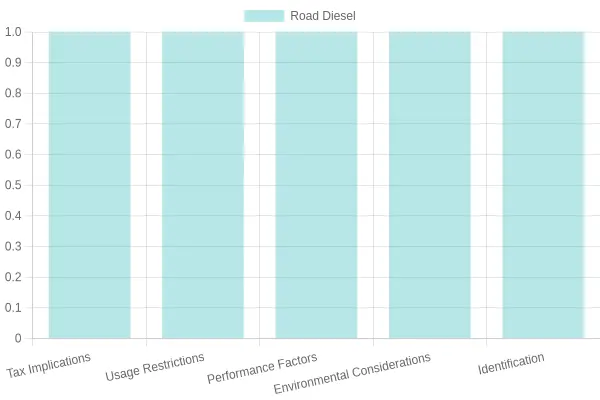
Chart shows the key differences between road diesel and off-road diesel, highlighting tax implications, usage restrictions, performance factors, and environmental considerations.
User Experiences with Road Diesel in Off-Road Scenarios
When it comes to using road diesel in off-road scenarios, enthusiasts often share a wealth of experiences on various forums and platforms, revealing both the benefits and challenges they encounter. Below is a summary of user anecdotes and reviews from off-road diehards who have ventured into this fuel territory.
Key Insights and Anecdotes
-
Cost Savings with Off-Road Diesel
Many off-road users appreciate the financial benefits of utilizing off-road diesel (often referred to as red-dyed diesel) over regular road diesel. According to discussions on platforms like TikTok and Off Road Diesel Forums, these enthusiasts report significant fuel cost savings, making it a popular option for those involved in agricultural and construction activities. Learn more. -
Performance and Reliability
Diesel engines are known for their superior torque and durability, which make them ideal for off-road applications. Users praise their vehicles’ ability to handle rough terrains and heavy loads better than gas engines. The advantages of diesel engines for off-road vehicles, including better fuel efficiency and long-term reliability, have been highlighted repeatedly in user reviews across various platforms. The consistent feedback emphasizes how these vehicles perform outstandingly under stress. -
Legal and Regulatory Challenges
While the financial and performance advantages are appealing, users share concerns regarding the legal implications of using road diesel in off-road contexts. Regulations state that using off-road diesel on public roads can result in hefty fines, which has deterred some users from this approach altogether. This caution is echoed in forums like The Diesel Stop, where users share reports of legal issues experienced by others for using red diesel inappropriately. Explore more on this topic. -
Fuel Compatibility Concerns
Some users have experienced challenges when mixing off-road diesel and road diesel, particularly with newer diesel engines that require ultra-low sulfur diesel (ULSD). It’s critical to understand that certain off-road diesels may contain higher sulfur, which can affect engine performance and emissions. Users on forums like Green Tractor Talk discuss how their engines reacted negatively when using off-road diesel, prompting them to share cautionary advice.
Overall Sentiment
Despite the hurdles surrounding legalities and engine compatibility issues, the general sentiment among users is largely positive when it comes to off-road diesel experiences. The allure of reduced fuel costs and the robust performance of diesel engines in extreme conditions keep off-road enthusiasts returning to this fuel choice. Many express satisfaction when they adhere to regulations and utilize off-road diesel as intended, reinforcing its significance in the off-road community.
Conclusion
For those considering the switch to off-road diesel, understanding both the benefits and challenges is essential. Engaging with community forums, reading user reviews, and being aware of legal restrictions can enhance the off-road experience while ensuring compliance with fuel regulations. As off-road enthusiasts continue to share their stories, the conversation around the optimal use of road and off-road diesel fuels progressively evolves, providing valuable insights for both seasoned and rookie off-roaders alike.
The Importance of Diesel Fuel in Off-Road and Trucking Industries
“Diesel fuel will be around for a long time. It plays a crucial role in heavy transport because it offers efficiency and performance that electric alternatives still struggle to match.” – Industry Expert
This quote reinforces the significance of diesel fuel in the off-road and trucking sectors, highlighting the challenges of electrification in heavy-duty applications. It resonates with our audience, especially those who are passionate off-road enthusiasts and landowners who rely on the rugged efficiency that diesel engines provide.
You can explore more about diesel’s ongoing relevance in trucking from this opinion piece on Which Car.
Conclusion: Use Off-Road Diesel Responsibly
As we’ve traversed the rugged terrain of off-road diesel use, one thing remains crystal clear: responsibility is key. The capabilities of off-road diesel fuel are undeniable; it offers significant advantages for those who depend on their trucks for both work and adventure. With benefits such as tax exemptions, fuel efficiency, and lower sulfur content contributing to equipment longevity, utilizing off-road diesel can enhance your experience while helping you save money along the way.
It’s essential to remember, though, that with this power comes responsibility. Proper fueling practices will not only keep your machinery in top shape but also ensure that you remain compliant with local regulations. Utilizing off-road diesel correctly means understanding where it can be used and adhering to guidelines that contribute to an efficient and environmentally friendly operation.
Here are a few key takeaways on responsible off-road diesel use:
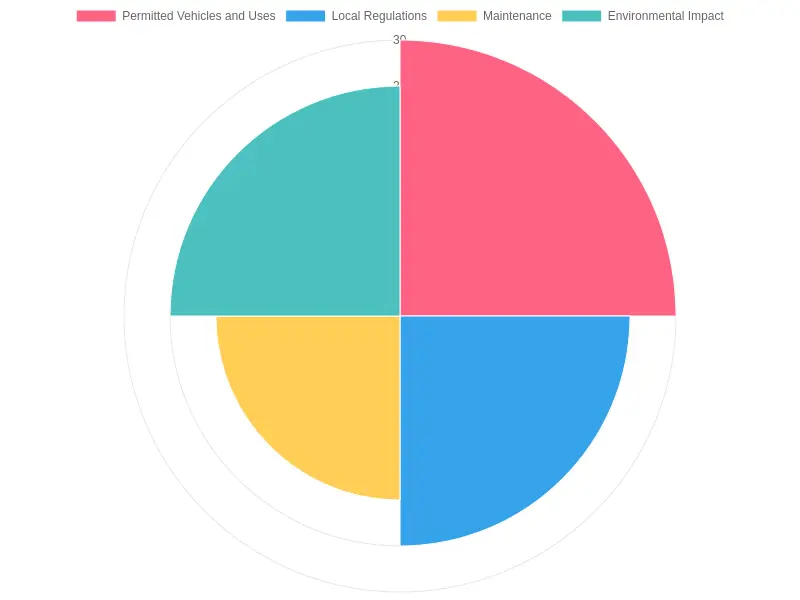
- Permitted Vehicles and Uses: Restrict off-road diesel usage to vehicles and applications that are legal and permit its use.
- Adhere to Local Regulations: Stay informed about regulations governing off-road diesel in your area; non-compliance can lead to hefty fines.
- Maintenance Matters: Regular upkeep of your machinery can significantly improve performance and longevity.
- Mind the Environment: Consider the environmental impacts; lower sulfur content in off-road diesel not only performs better but also positively affects the ecosystem.
By making informed choices and practicing responsible usage, you can harness the advantages of off-road diesel while minimizing risks and maximizing benefits. For those who embrace the adventurous spirit of off-roading, it’s not just about getting from point A to B; it’s about how we fuel those adventures.
Join Summit Fairings for Your Off-Roading Needs
If you’re serious about enhancing your off-road experience, look no further than Summit Fairings. Not only does their equipment support superior performance and protection, but they also embody the spirit of innovation and reliability that off-road enthusiasts seek. Gear up with Summit Fairings to take your adventures to the next level today! Choose wisely, drive responsibly, and keep pursuing the thrill of the great outdoors!