
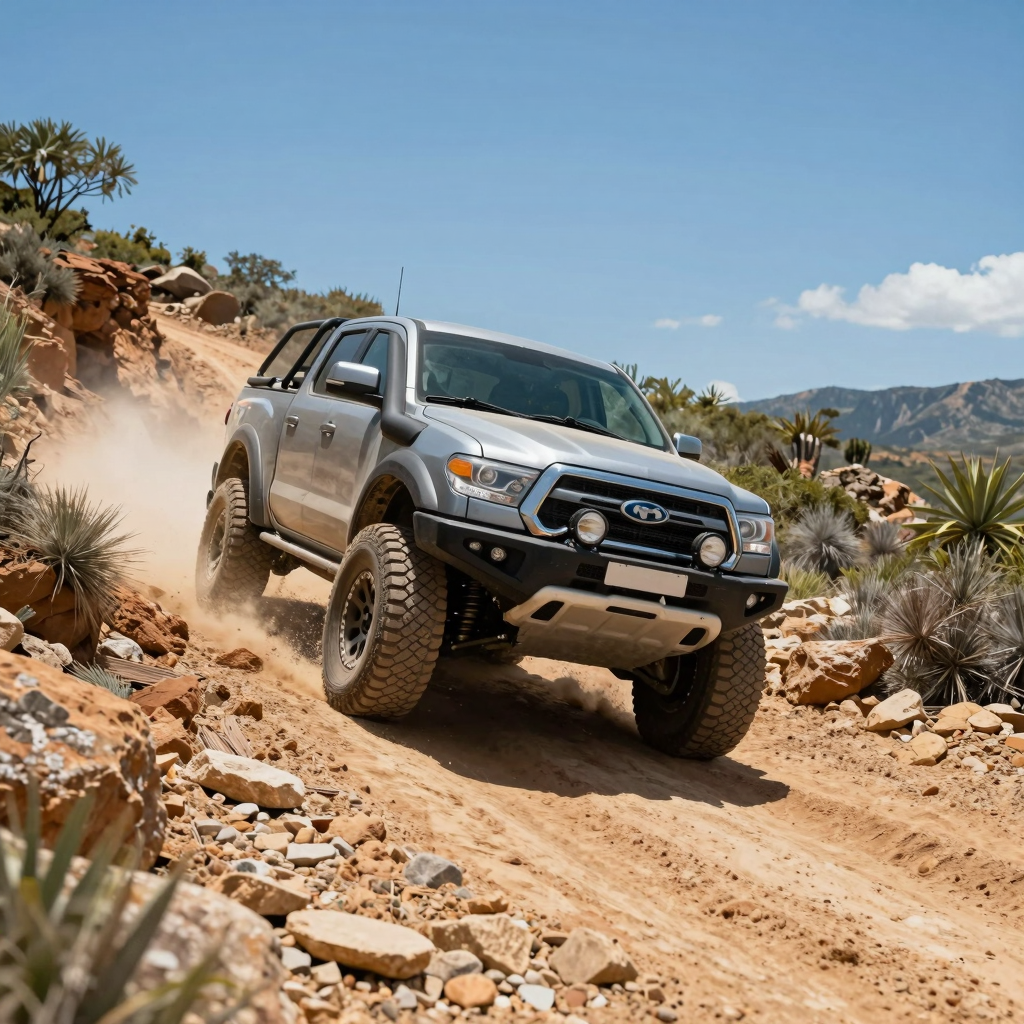
Embrace the Thrill of Off-Roading in Your 2WD Truck
Imagine the feeling of the wind rushing past you as you grip the steering wheel of your trusty truck, with the exhilarating landscape sprawled out before you-a wild tapestry of rugged trails, dusty roads, and untamed beauty. Off-roading isn’t just reserved for those outfitted with four-wheel drive; even a 2WD truck can be your ticket to adventure as long as you approach it with spirit and creativity. Picture yourself navigating through sun-beaten dirt paths, cresting hills with a panoramic view stretching for miles, and experiencing the satisfying crunch of gravel under the tires. Each journey takes you deeper into the heart of nature, away from the ordinary, and into the exhilarating embrace of freedom.
Despite common beliefs, off-roading in a 2WD truck isn’t just a dream-it’s an accessible reality for many adventure seekers. Whether you’re an off-road enthusiast looking for a new challenge, a rugged rural landowner seeking to traverse your property, or a racing fanatic eager to prove that it’s not just about horsepower, your 2WD truck holds immense potential. Learn more about the must-have features of dispatching software to ensure your journeys are pioneering and efficient.
So pack your gear, start your engine, and prepare to carve through the wild. Because when you off-road, you’re not just driving-you’re embracing a way of life, a quest for discovery, and a thrill that lasts far beyond the final destination. Unleash the adventurer within you, and let every bump in the road transform into a part of your own epic story.
2WD Truck Capabilities and Limitations Off-Roading
When it comes to off-roading, 2WD trucks (two-wheel drive) present both unique advantages and constraints. While generally regarded as less capable than their 4WD counterparts, they can navigate across certain terrains effectively when equipped with the right modifications and approach. Understanding their capabilities and limitations can help off-road enthusiasts maximize performance while minimizing risks.
Terrain where 2WD Trucks Excel
2WD trucks thrive on specific terrain types where traction is not severely compromised. Here are some ideal environments where these vehicles can perform well:
a. Hard-packed Trails: Firm dirt roads and compacted surfaces are where 2WD trucks shine the brightest, easily maneuvering without significant risk of getting stuck.
b. Light Gravel Roads: The traction provided by light gravel is often enough for 2WD trucks, allowing for smooth navigation on well-maintained routes.
c. Gentle Hills: Slopes that do not exceed moderate inclines can be tackled effectively, as long as the surface remains stable.
d. Dry Riverbeds: These terrains can often be traversed without difficulty, providing the right conditions.
Limitations of 2WD Trucks Off-Road
Despite these strengths, 2WD trucks face significant challenges in more extreme conditions:
- Deep Mud & Sand: The lack of four-wheel traction often leads to stuck situations when driving through deep mud, sand dunes, or wet sloshy terrain.
- Steep inclines and Rocky Terrain: Without adequate grip, 2WD trucks cannot always maintain traction on steep inclines or loose gravel. Their propensity for wheel spin in these scenarios makes them particularly vulnerable.
Modifications to Enhance Off-Road Performance
To boost a 2WD truck’s off-road performance, consider the following modifications:
- Larger Tires: Upgrading to all-terrain or mud-terrain tires can significantly enhance grip and ground clearance, improving overall maneuverability on loose surfaces.
- Lift Kits: Installing a lift kit raises the truck’s height, increasing approach and departure angles which are helpful in clearance over obstacles.
- Skid Plates: Protective skid plates can safeguard vital parts of the undercarriage from rocks and debris encountered on tougher trails.
- Improved Suspension System: Aftermarket suspension enhancements can provide better shock absorption and improved articulation, essential for handling uneven ground effectively.
These modifications help alleviate some of the inherent limitations of 2WD trucks when tackling mildly challenging off-road environments. Engaging with the right terrain and preparing adequately with modifications will allow you to explore confidently while enjoying the rugged, adventurous experience that off-roading brings.
For those interested in the world of modifications and enhancements for trucks, mastering diesel mechanics is a beneficial read to further hone your skills.
2WD vs 4WD Trucks: A Comprehensive Comparison
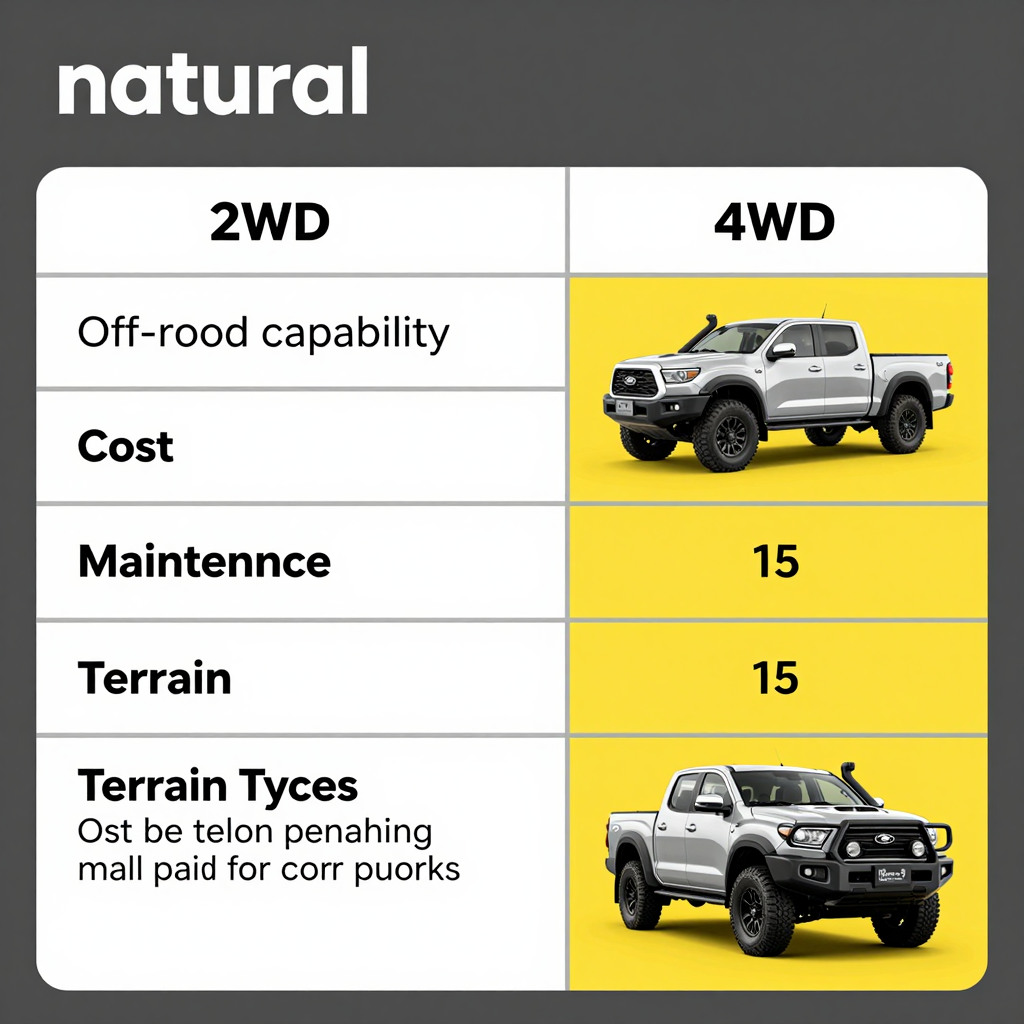
Understanding the differences between 2WD (Two-Wheel Drive) and 4WD (Four-Wheel Drive) trucks is crucial for off-road enthusiasts and adventurers. Below is a detailed comparison highlighting key aspects such as off-road capability, cost, maintenance, and suitable terrain types.
| Feature | 2WD Trucks | 4WD Trucks |
|---|---|---|
| Off-Road Capability | Limited traction, struggles in mud/snow | Superior traction, handles rough terrain |
| Cost | Generally $3,000-$6,000 less | Higher upfront purchase cost; complex systems increase price |
| Maintenance | Lower maintenance costs due to simpler systems | Higher costs due to additional components and servicing needs |
| Terrain Types | Best for paved roads and light off-road | Ideal for rugged terrains like rocks, deep snow, and mud |
Conclusion
Choosing between a 2WD and 4WD truck ultimately depends on how you plan to use your vehicle. If your adventures lead you off paved roads, a 4WD truck is indispensable. However, for city driving and occasional light off-roading, a 2WD truck may suffice.
For more insights on features that impact your truck’s performance, learn about must-have features of dispatching software or consider how advanced tracking can enhance your trucking payroll management.
Off-Roading Techniques for 2WD Trucks
While traditional wisdom might suggest you need a four-wheel-drive vehicle to tackle off-road terrains, 2WD trucks can indeed venture into the wild with the right techniques and preparation. Here are essential driving strategies and recovery gear recommendations for off-roading in a 2WD truck.
Driving Strategies for Different Terrains
-
Sandy Areas: When driving on sand, it’s crucial to maintain momentum. Lower tire pressure slightly to increase the footprint of your tires, enhancing traction on loose surfaces. Use gentle acceleration to prevent wheel spin and maintain speed to avoid getting stuck.
-
Mud: In muddy areas, finding a drier path can be the key to avoiding trouble. Keep your speed steady but controlled, and if you begin to lose traction, slightly turning the wheels can help regain some grip. Try to navigate around deep ruts where the mud is most viscous.
-
Rocky Terrain: Increased caution is vital on rocky surfaces. Approach obstacles at a slow pace, choosing the best line to avoid bottoming out. If you encounter a steep incline, maintain a steady throttle to keep your momentum up, and avoid sudden acceleration that might lead to loss of traction.
-
Hills: Ascending or descending hills requires careful planning. For climbs, take a run at the hill to build momentum. On descents, control your speed by shifting into a lower gear and applying the brakes gently to avoid skidding or rolling.
Recovery Gear Recommendations
Being equipped with the right recovery gear is essential for handling tough off-road situations with a 2WD truck. Here are some must-have items:
- Portable Air Compressor: For adjusting tire pressure after navigating rough terrains.
- Recovery Boards: Such as Maxtrax or Rhino Ladder, these are invaluable for creating traction under spinning tires.
- Heavy-Duty Shovel: Essential for digging out if your tires get stuck.
- Tow Strap: A strong strap can be used to pull a stuck vehicle out of trouble.
- Winch: Although more suited for 4WDs, a winch can help if you’re frequently venturing off the beaten path. Models like the Warn Zeon 12-S are highly recommended for their reliability.
Handling Difficult Situations
- Stuck in Mud or Sand: If you get stuck, avoid spinning your wheels, as this can dig you in deeper. Instead, back up, adjust tire pressure a bit lower, and attempt to move forward gently.
- Getting Towed: Always attach your tow strap properly-attach it to the frame or designated recovery points, never to bumpers or other vulnerable parts.
- Communication: Always let someone know your route and expected return time. In case you run into major trouble, this is a critical safety measure.
In summary, 2WD trucks can embrace off-roading adventures when equipped with the right techniques and tools. By mastering various terrains and carrying essential recovery gear, you can enjoy the thrill of the outdoors responsibly.
Expert Opinions on Off-Roading in 2WD Trucks
In the world of off-roading, the debate between 2WD and 4WD trucks often elicits strong opinions. Many experts and seasoned off-road enthusiasts assert that 2WD trucks, when set up correctly, can perform impressively in various off-road scenarios. Here’s a summary of recent insights shared by experts and enthusiasts alike.
Viability of 2WD Off-Roading
According to a feature in Four Wheeler Magazine, professionals in the field highlight that 2WD trucks remain a viable option for off-roading, especially when modified for specific conditions. Mark Reynolds, a veteran off-roader, notes that a well-prepped 2WD truck can excel on technical rock sections, often outperforming heavier 4WD vehicles. “A lighter and more agile configuration allows for easier navigation, and with the right modifications, 2WD can handle moderate trails effectively.”
Real-World Testing
In a demonstration by Off Road Xtreme, professional tester Jordan Finch compared a modified 2WD Toyota Tacoma against a stock 4WD Ford F-150 on challenging terrains. The 2WD Tacoma, equipped with all-terrain tires and enhanced suspension, showcased remarkable agility and control. Finch remarked, “The 2WD felt more nimble-momentum and line choice were more important than torque in rocky conditions.” This test illustrated how skillful drivers can leverage a 2WD’s advantages in specific off-road environments.
Community Insights
On YotaTech Forums, enthusiasts have shared personal experiences that reinforce these views. Users have successfully tackled diverse terrains, from desert washes in Nevada to rocky trails in Colorado, using strategies like adjusting tire pressure. One user, TrailBlazer87, emphasized that understanding your truck’s capabilities and the terrain is vital, stating, “It’s not just about having 4WD; it’s about knowing how to navigate the trails.”
These insights collectively highlight that while 4WD might dominate in extreme conditions, 2WD trucks can still deliver exhilarating off-road adventures when equipped and driven with expertise, making them a respected choice among enthusiasts.
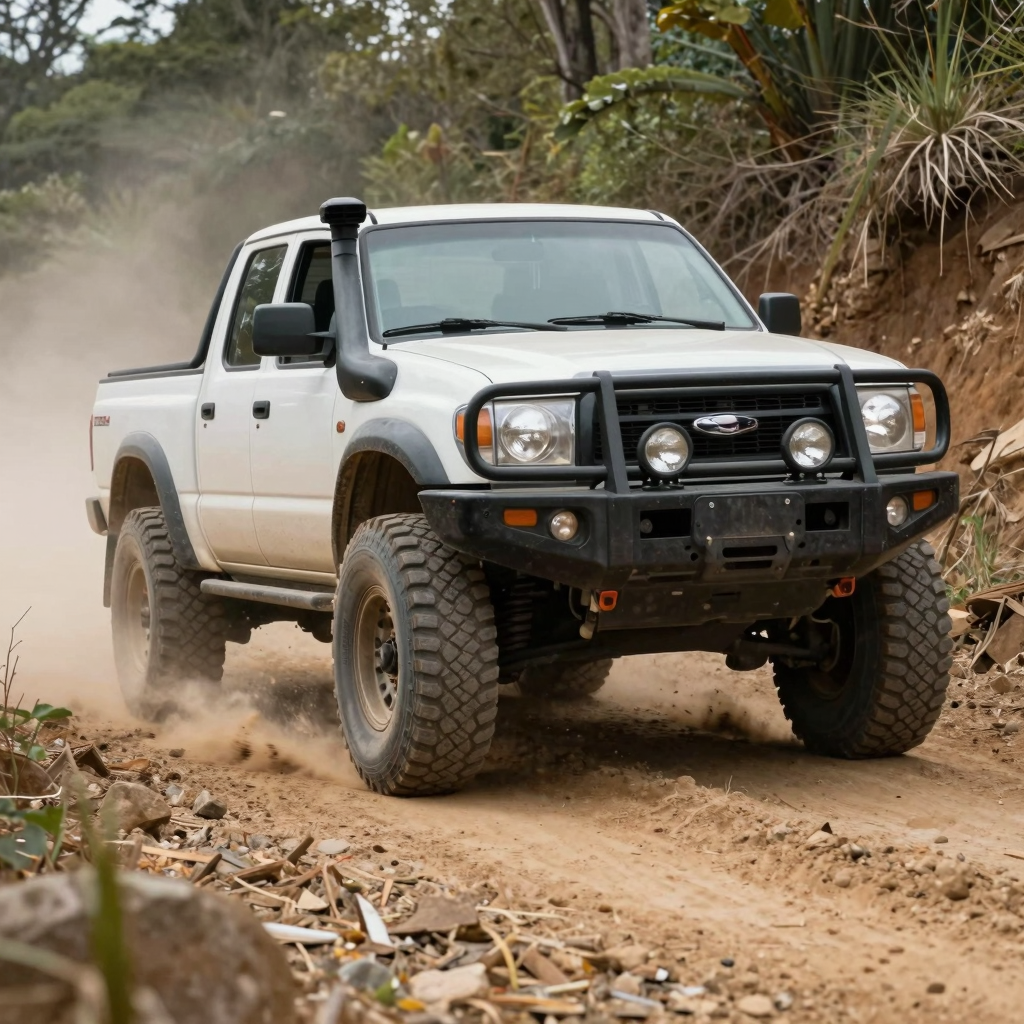
Recommended Modifications for 2WD Trucks
Enhancing a 2WD truck’s off-road performance requires a strategic approach to modifications. Here’s a list of popular upgrades that will significantly improve traction, handling, and durability when venturing off the beaten path:
-
All-Terrain (A/T) or Mud-Terrain (M/T) Tires:
-
Opt for tires designed specifically for off-road conditions. Larger tread blocks and aggressive patterns improve grip on loose surfaces like dirt, gravel, and mud. Recommended brands include Michelin LTX M/S 2 for all-round performance and BFGoodrich All-Terrain T/A KO2 for more aggressive terrains.
-
Lift Kit (2-4 inches):
-
Installing a lift kit not only increases ground clearance but also allows for larger tires, enhancing approach and departure angles. This is crucial for navigating rocky and uneven terrain effectively.
-
Upgraded Shocks (e.g., Bilstein or Fox):
-
High-performance shocks provide better damping control, minimize body roll, and enhance ride quality on rough surfaces. These components are essential when your truck is lifted.
-
Metal Skid Plates:
-
Protect your vehicle’s underbody by installing skid plates at critical points such as the differential, fuel tank, and oil pan. These plates, often made from steel or aluminum, absorb impacts from rocks and obstacles, preventing costly damage.
-
Limited-Slip or Locking Differential:
-
Upgrade to a limited-slip differential to improve traction-especially vital on slippery surfaces. If available, a locking differential offers superior control in extreme off-road situations by locking both wheels on an axle together.
-
Steering Stabilizer:
-
Enhance your control over rough terrain with a steering stabilizer, which reduces oscillation and helps maintain a straight trajectory at higher speeds.
-
Longer Driveshafts:
-
If your truck is lifted, you may need to install longer driveshafts. This prevents driveline binding and potential failures due to the altered angles.
These modifications not only enhance the performance and handling of 2WD trucks off-road but also prepare them for thrilling adventures on rugged trails. For more insights on truck modifications, check out how to upgrade your 2WD truck for off-roading.
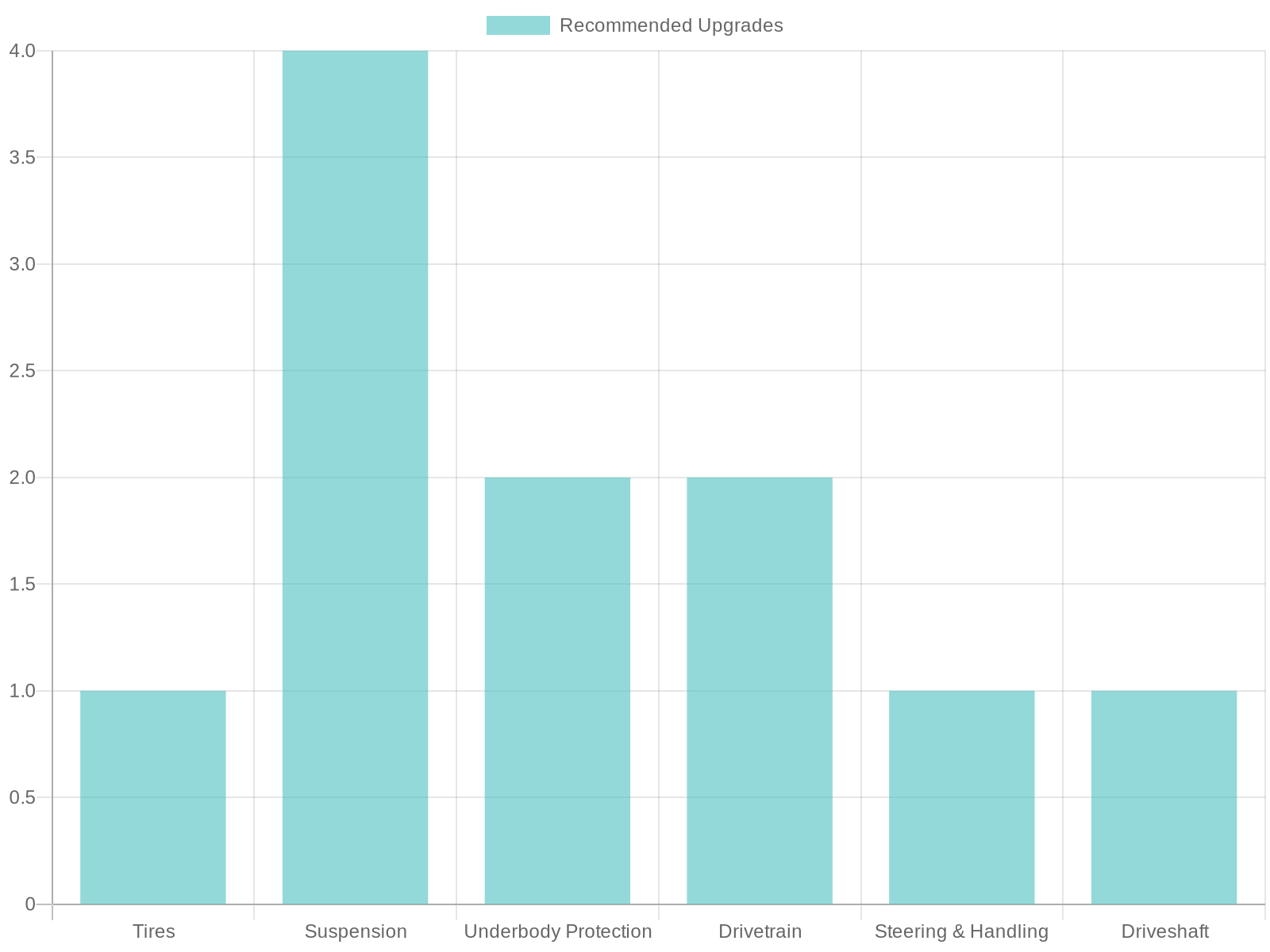
Explore the chart above to visualize the recommended modifications and understand which upgrades can make the most significant impact on your off-roading experience!
By choosing the right upgrades for your 2WD truck, you’ll ensure that you’re ready to tackle any terrain with confidence and capability.
“The key is not to fight the physics of a 2WD truck, but to work with it. Use momentum, plan your lines carefully, and avoid deep mud or steep inclines where traction is critical.”
- Marcus ‘Rumble’ Thompson, Off-Road Instructor and Former Professional Racer
Common Misconceptions About Off-Roading in 2WD Trucks
Off-roading is often seen as an exclusive domain for 4WD vehicles; however, many misconceptions exist about the capabilities of 2WD trucks in adventurous terrains. Let’s tackle some of the most prevalent myths and set the record straight with factual evidence and real testimonies from off-roading enthusiasts.
Myth 1: 2WD Trucks Are Ineffective Off-Road
Many believe that 2WD trucks are incapable of handling off-road environments. This is a misconception that stems primarily from the popularity of 4WD systems in extreme off-roading situations. According to an article on 4x4Wire, while 4WD does provide better traction on slippery surfaces, many 2WD trucks can successfully navigate moderate trails-such as dirt roads, forest paths, and minor mud-when equipped with suitable tires and driven with the right techniques.
Myth 2: Off-Roading Requires 4WD
Often, off-roading enthusiasts mistakenly think that a vehicle’s success in off-road conditions hinges solely on having four-wheel drive. A feature from Car and Driver illustrates that most off-roading, particularly for recreational users, occurs on manageable terrains where 2WD vehicles can excel, especially with upgraded tires and enhanced suspension. Drivers can successfully navigate trails typically associated with 4WD vehicles by using smart driving techniques such as maintaining momentum and strategic route selection.
Myth 3: 2WD Trucks Can’t Handle Mud or Sand
A popular belief is that mud and sand are off-limits for 2WD trucks. The viral Popular Mechanics article counters this myth by emphasizing that many recreational drivers do not undertake extreme off-roading. With proper preparation, including using all-terrain tires and ensuring adequate ground clearance, 2WD trucks can confidently tackle moderate mud and sand scenarios. Testimonials from experienced drivers underline the importance of technique, with one stating, “If you go in too slowly, you’ll just sink like a rock.”
Real Experiences
The stories shared by 2WD truck owners echo these findings. For instance, a Jeep Wrangler owner shared his successful escapades navigating through soft sands and challenging terrains by leveraging controlled acceleration and steady steering. His mantra, “You don’t need four-wheel drive to enjoy the outdoors-you need knowledge, patience, and confidence,” resonates deeply within the community.
Drivers on YotaTech Forums discuss practical techniques such as rocking the vehicle to gain traction and stressing that it’s often the driver’s skill, not just the drivetrain, that determines the success of off-roading adventures.
Conclusion
The narrative around 2WD trucks and off-roading is rife with misconceptions that can discourage people from exploring the outdoors in their vehicles. However, with the right preparation, equipment, and driving tactics, 2WD trucks can perform admirably in many off-road conditions. So, next time you question whether your 2WD truck can handle an adventure, remember the community of enthusiastic drivers who have proven otherwise!
As you can see, off-roading with a 2WD truck can lead to thrilling adventures, breaking the myth that you need a 4WD to tackle rugged terrains. With the right modifications-like upgraded tires, suspensions, and more-you can transform your 2WD into a capable off-road vehicle that can conquer challenges many wouldn’t dare to face. The journey is not just about navigating through trails; it’s about the experiences you’ll gather along the way. So, are you ready to create your own epic stories? Explore customization options at Summit Fairings and take the first step towards a newly outfitted adventure-ready truck. Don’t just own a truck; own the adventure that comes with it! It’s time to unleash your inner adventurer! Get inspired, get equipped, and make your mark on every trail you explore.