
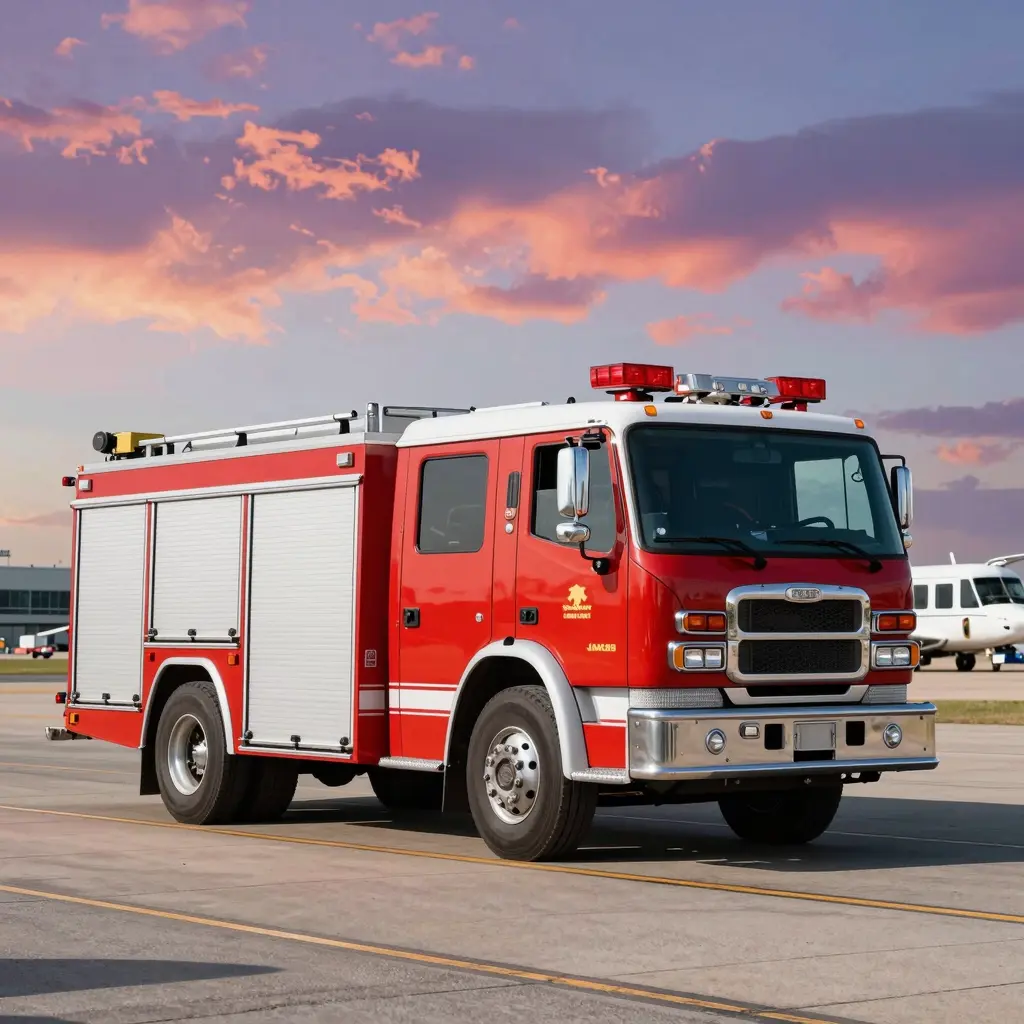
The Importance of Fire Safety at Airports
Fire safety is an essential aspect of airport operations, and its significance cannot be overstated. Airports are unique environments characterized by high passenger volumes, diverse operational activities, and significant amounts of flammable materials. According to the Fire Safety Supply, the aviation industry adheres to stringent safety regulations that protect not only passengers but also the staff who oversee these environments. The risks of fire can escalate rapidly within airport facilities, as evidenced by concerning incidents reported in various facilities, including a recent scenario where deficiencies in fire safety led to numerous casualties and extensive damage to property.
With a staggering increase in air travel-forecasted to reach nearly 10 billion passengers annually by 2040-harmonious safety practices must evolve to match these growing demands. However, challenges persist: many major airports still lack adequate resources for effective fire response operations, leaving passengers vulnerable in case of emergencies, as detailed by a report in Radio-Canada.
To ensure robust fire safety protocols, airport management needs to prioritize compliance with fire safety standards. Enhanced training and resources are necessary to address specific risks, such as fuel handling and storage, which can turn catastrophic without proper safeguards. This is particularly vital for organizations responsible for aircraft rescue and fire-fighting operations, which can be paramount in emergencies.
Investing in state-of-the-art fire safety equipment, such as airport fire trucks and training personnel, can make all the difference between a minor incident and a tragic disaster. Air transport is pivotal to global connectivity, and safeguarding this vital infrastructure against fire hazards ensures safety, preserves resources, and upholds the trust of travelers.
Importance of Fire Trucks at Jackson Wyoming Airport
Fire trucks at Jackson Wyoming Airport play a crucial role in maintaining the safety and security of passengers, airport staff, and aircraft. Their functions can be categorized into emergency responsiveness, safety compliance, and passenger security.
1. Emergency Responsiveness
The primary function of fire trucks at any airport, including Jackson Wyoming Airport, is emergency response. These specialized vehicles are equipped with necessary firefighting equipment and trained personnel who can respond to emergencies such as aircraft fires, fuel spills, and medical emergencies.
- Rapid Response: Fire trucks are strategically positioned around the airport to ensure quick access to emergency situations, crucial in saving lives and minimizing damage.
- Advanced Equipment: The fire trucks contain foam and water systems designed to combat various fire classes, particularly those related to aviation fuel, which can burn at high temperatures.
2. Safety Compliance
In addition to being first responders, airport fire trucks help ensure compliance with national and international safety regulations. Many jurisdictions have stringent fire safety regulations that airports must adhere to, which include:
- Readiness of Emergency Services: Airports are required to maintain specific standards concerning the availability of fire trucks and their operational readiness. Lack of proper fire-safety measures can lead to severe consequences during emergencies.
- Regular Maintenance and Training: Fire trucks need to be regularly inspected and maintained to guarantee optimal performance. Personnel must undergo continuous training to stay proficient in firefighting and rescue techniques, further ensuring compliance.
3. Passenger Security
Ultimately, the operations of fire trucks at airports greatly enhance passenger security. Knowing that a dedicated firefighting service is always on standby provides peace of mind to travelers. Their visible presence acts as a deterrent against potential threats and enhances the overall safety perception of the airport.
In conclusion, the presence and functions of fire trucks at Jackson Wyoming Airport are fundamental in promoting safety, compliance, and security. Collaborating closely with emergency services and adhering to rigorous safety standards not only protects lives but also instills confidence in passengers flying into and out of Jackson. For more information on various firefighting apparatus, check out the selection of fire-fighting trucks.
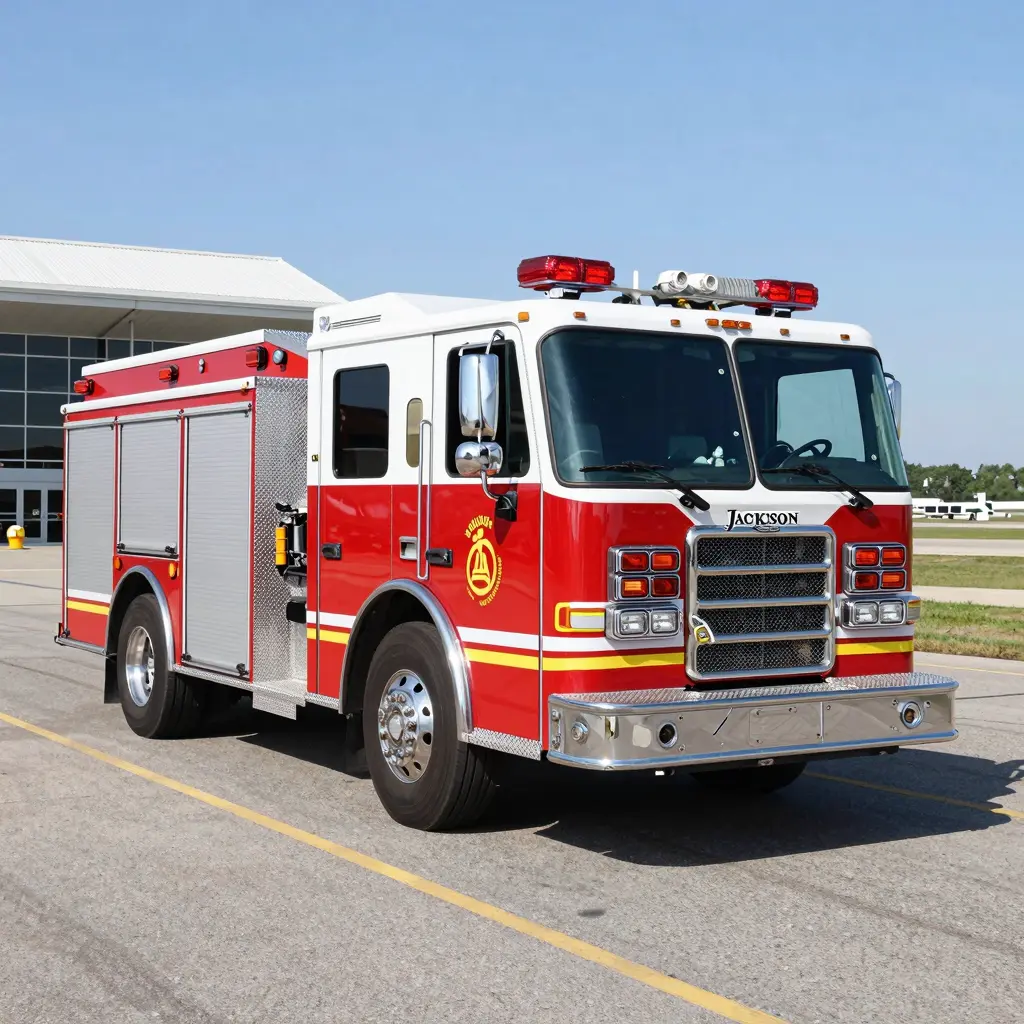
Airport Fire Truck Comparison
Airport fire trucks are crucial for emergency response at aviation facilities. Here’s a comparison table highlighting various types of airport fire trucks, including CIMC Tianda models:
| Type of Fire Truck | Model/Example | Weight (KG) | Foam Capacity (L) | Speed (KM/H) | Advantages | Typical Uses |
|---|---|---|---|---|---|---|
| ARFF Vehicle | CIMC Tianda ARFF Truck | 29000 | 500 | 80 | High foam discharge, rapid response capabilities | Aircraft emergencies, runway incidents |
| Large Rescue Truck | 6×6 Mercedes Benz ARFF | 30000 | 600 | 90 | Equipped with advanced firefighting technologies | Fighting aviation fuel fires |
| Rapid Intervention Truck | CIMC Rapid Response Truck | 25000 | 400 | 100 | Can navigate quickly through tight spaces | Immediate fire containment at accident sites |
| Compact Fire Truck | CIMC Compact Fire Truck | 18000 | 300 | 85 | Lightweight, multi-functional | Smaller airports, emergency drills |
Key Features of CIMC Tianda Fire Trucks
- Specialized Equipment: Designed for maximum efficiency in emergency situations.
- High Performance: Engines equipped for quick dispatch and effective firefighting capabilities.
- Advanced Safety Standards: Compliant with international standards for aircraft rescue and firefighting.
For more in-depth information about the airport fire trucks, you can visit CIMC Fire Truck for various models available.
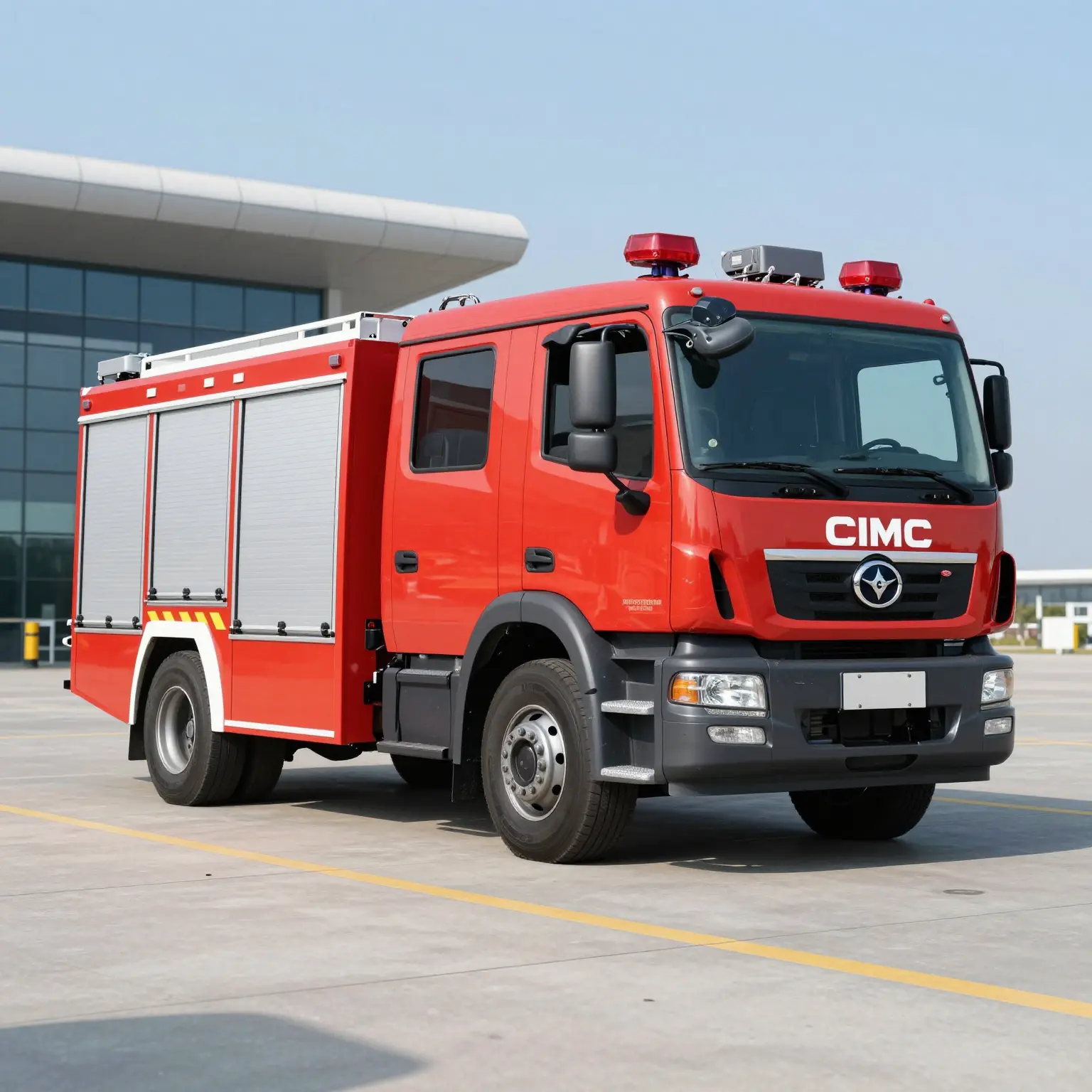
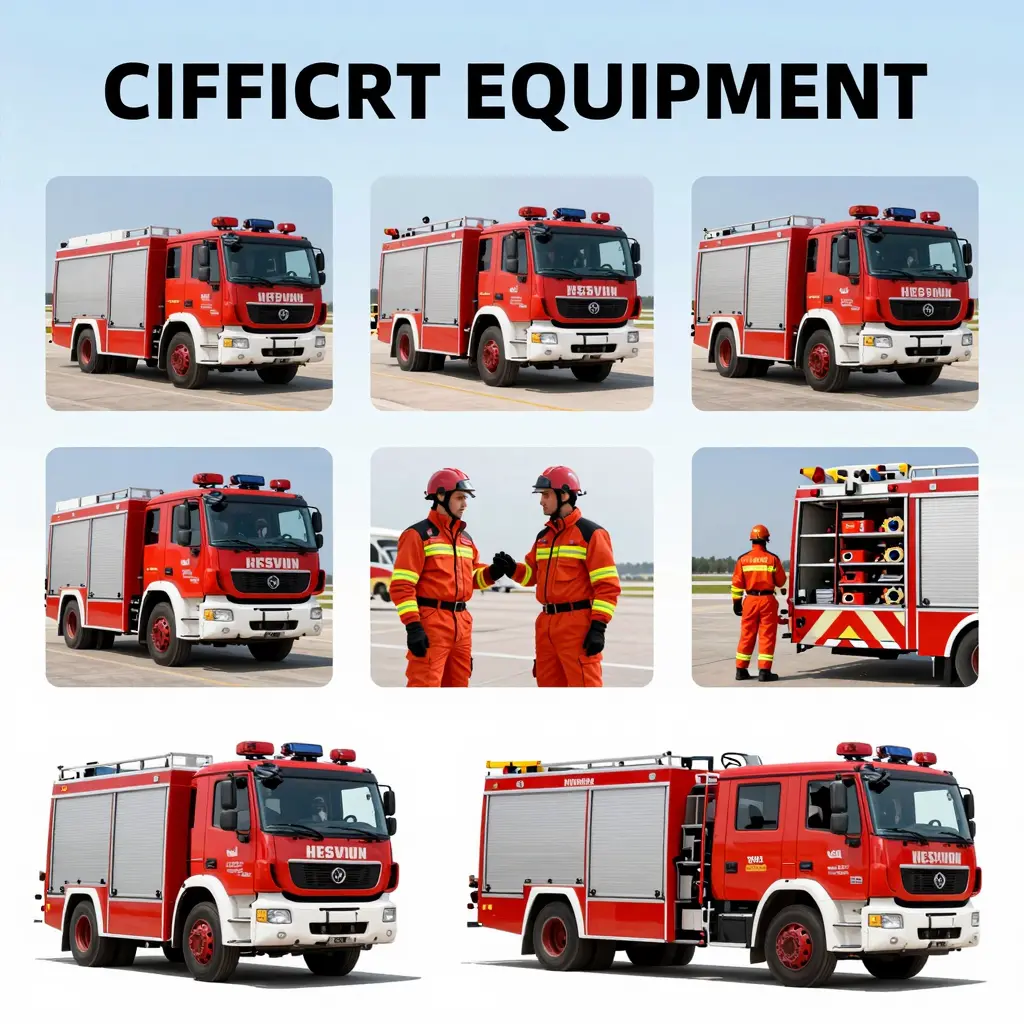
A modern airport fire truck designed similarly to the ones manufactured by CIMC Tianda, featuring advanced firefighting equipment, bright red color, and a sleek aerodynamic design. The truck is depicted in an airport setting, ready for emergency response, showcasing its sturdiness and modern technology.
Advanced Technology in CIMC Tianda Airport Fire Trucks
CIMC Tianda is at the forefront of innovation in the field of airport firefighting vehicles. Their airport fire trucks are embedded with advanced technologies designed to maximize operational efficiency and ensure safety during emergency situations. Understanding these technologies is crucial for business owners looking to invest in reliable firefighting solutions.
Intelligent Systems Integration
One of the standout features of CIMC Tianda’s fire trucks is the integration of intelligent systems, which leverage the Internet of Things (IoT) to improve real-time data monitoring and communication. This allows for:
- Real-time analytics: Firefighters can receive immediate updates on every aspect of the fire situation, leading to faster decision-making.
- Enhanced situational awareness: Equipped with advanced sensors and cameras, the trucks provide a panoramic view of the incident scene. This feature drastically improves navigation and operational awareness.
Digital Dashboards and Control Interfaces
CIMC Tianda’s fire trucks feature user-friendly digital dashboards that streamline operations. These dashboards facilitate:
- Centralized control: Firefighters can operate various systems and equipment from a single interface, reducing the time it takes to respond to emergencies.
- Data visualization: Real-time updates and visualizations allow for immediate assessments of fire spread, required resources, and potential hazards.
Automated Firefighting Features
Furthermore, their trucks are outfitted with automated firefighting systems that minimize manual intervention while maximizing effectiveness. Some key benefits include:
- Precision in targeting: The ability to automatically adjust water or foam concentrations based on fire intensity enhances extinguishing efficiency.
- Remote operation capabilities: Firefighters can operate some functionalities from a distance, allowing for safe management of perilous environments.
Enhanced Safety Protocols
Safety is paramount, especially in airport environments. CIMC Tianda places significant emphasis on safety protocols within their trucks:
- Advanced monitoring systems: Continuous monitoring of critical components such as tank levels and equipment performance prevents operational failures during critical missions.
- Emergency response features: Built-in systems detect firefighting needs and automatically prioritize tasks to ensure effective emergency response.
Commitment to Innovation
CIMC Tianda’s relentless pursuit of technological advancements ensures their airport fire trucks meet the highest industry standards for safety and efficiency. This commitment has been recognized in various platforms, where they have shared their advancements in the industry, showcasing their products’ capabilities to enhance airport safety and firefighting responses.
For business owners considering upgrading or purchasing fire trucks, understanding these technological advancements is crucial. By choosing CIMC Tianda, you are investing in fire trucks that not only meet the operational standards but also pave the way for future innovations in firefighting technology.
To explore more about their impressive range of fire trucks, visit CIMC Firefighting Trucks or Airport Fire Trucks.
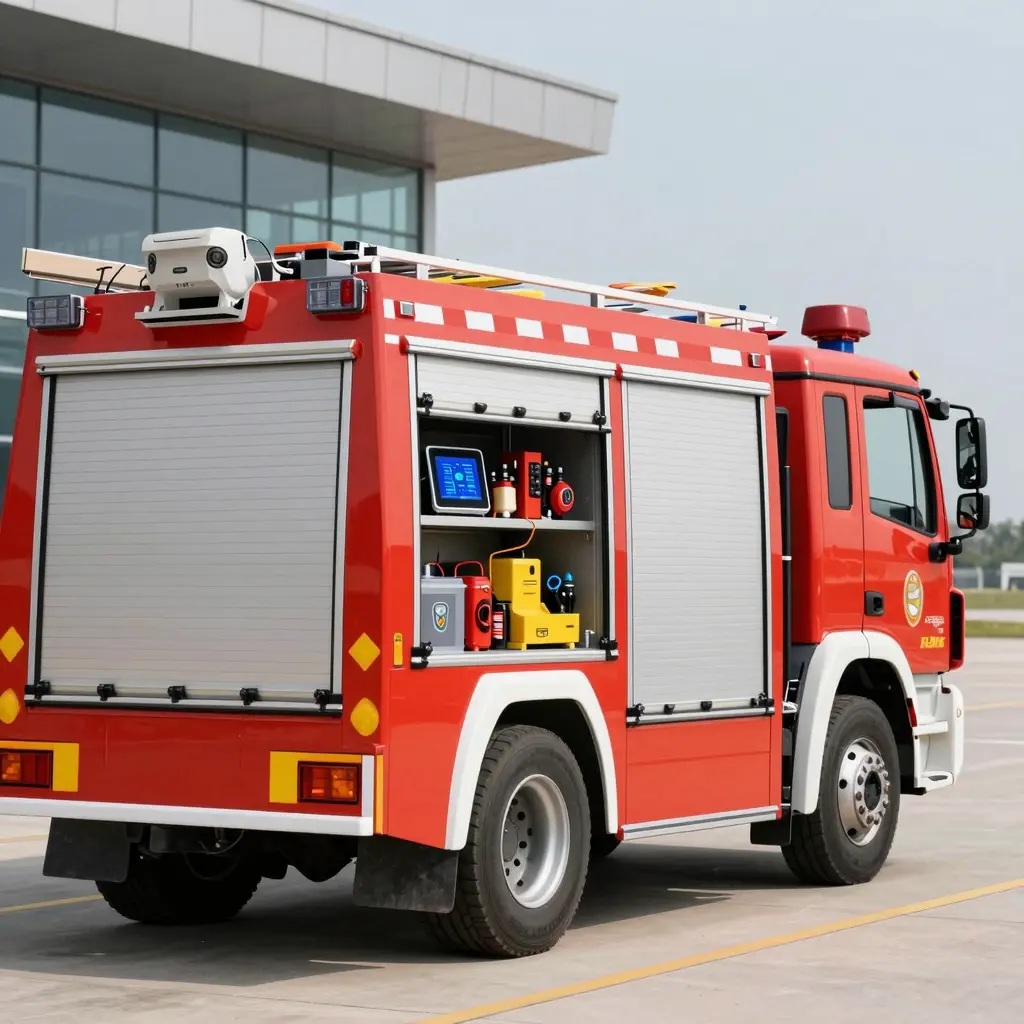
Key Features to Look For in Airport Fire Trucks
When selecting fire trucks for airport operations, business owners should consider several essential features that ensure effectiveness and efficiency during emergencies. Here’s a bullet list of critical elements to look for:
-
Response Time: The ability to quickly reach the scene of an incident is paramount. Airport fire trucks should be designed for rapid deployment, with maneuverability that allows them to navigate through crowded airport settings efficiently.
-
Water Capacity: Large water reservoirs are crucial for extinguishing aircraft fires, particularly those fueled by jet fuel. Look for trucks with a minimum capacity of 3,000 gallons of water, as larger volumes can be critical in emergencies.
-
Foam Discharge System: Fire trucks should have integrated foam systems that can effectively combat fuel fires. A capacity for over 600 gallons of foam combined with water can significantly enhance firefighting capabilities.
-
Advanced Technology Integration: Modern airport fire trucks are equipped with cutting-edge technology, including thermal imaging, vehicle tracking systems, and communication devices that improve situational awareness and coordination with airport operations.
-
Stability and Structure: Given the weight of water and foam, trucks should have a low center of gravity and a robust chassis for stability. Features such as all-wheel drive and specialized suspensions allow for traversal of uneven terrain, common in airport environments.
By focusing on these key features, business owners can ensure they select the most suitable fire trucks for airport operations. For further insight into specialized vehicles, check out the airport fire trucks we offer.
Regulatory Standards for Airport Firefighting Equipment
The operation of airport firefighting vehicles is governed by several regulatory standards aimed at ensuring safety, efficiency, and effectiveness during emergencies. Compliance with these regulations is critical not only for the safety of the aircraft and personnel but also for the liability and operational integrity of the airports.
Key Regulatory Standards
-
International Civil Aviation Organization (ICAO) Standards:
The ICAO provides comprehensive global guidelines for airport firefighting services, specifically in Annex 14. These standards outline the necessary equipment specifications, vehicle capabilities, and operational procedures needed to respond effectively to aircraft incidents. For instance, airports must ensure their fire trucks are equipped to handle various emergency scenarios, including aircraft fires and hazardous material spills. -
National Fire Protection Association (NFPA) Standards:
The NFPA has established critical standards, such as NFPA 409, which sets requirements for aircraft hangars and fire suppression systems, and NFPA 414, which focuses on the performance and maintenance of aircraft rescue and firefighting vehicles. Compliance is essential as failure to meet these standards can lead to severe penalties and increased liability in case of an incident. -
Occupational Safety and Health Administration (OSHA) Guidelines:
OSHA’s regulations, specifically Standard 1910.156, mandate comprehensive training and equipment protocols that airports must follow to ensure firefighter readiness and safety during operations. This training not only impacts the effectiveness of the firefighting crews but also safeguards the airport from liability issues stemming from inadequately trained personnel. -
Federal Aviation Administration (FAA) Advisory Circulars:
The FAA Advisory Circular 150/5210-16 provides guidelines on the design and testing of firefighting apparatus used in airports. This directive is crucial for ensuring that fire trucks are capable of high-performance responses during emergencies, thus directly impacting operational safety.
Impact of Compliance on Operational Safety and Liability
Compliance with these regulatory standards significantly affects operational safety in numerous ways:
- Safety Assurance: Adherence to guidelines ensures that emergency vehicles are adequately equipped and maintained, eliminating potential malfunctions during critical moments. For example, failure to comply with NFPA 414 could result in decreased response capabilities during a fire, significantly increasing the risk of a catastrophic event.
- Legal Liability: Non-compliance can lead to severe legal ramifications, including lawsuits or financial penalties. Airports that fail to meet regulations may find themselves liable for damages in case of an emergency, as seen in cases where inadequate firefighting responses have been linked to non-compliance with ICAO and NFPA standards.
- Insurance Implications: Insurance costs could escalate for airports that do not comply with established firefighting regulations, as insurers often raise premiums or decline coverage based on the risks associated with non-compliance.
Real-World Example
A pertinent example is the transition by Fresno International Airport towards PFAS-free firefighting foams to comply with updated FAA requirements. This proactive measure not only reflects a commitment to regulatory compliance but also demonstrates a focus on environmental safety, which can enhance community relationships and decrease liability risk.
Conclusion
For business owners involved in airport operations, staying informed about these regulatory standards is crucial. Each regulation not only enhances safety but also protects business interests against liabilities. Investing in high-quality, compliant firefighting equipment, such as those listed on CIMC Fire Truck’s airport fire trucks page, will fortify operational effectiveness and safety at airports.
The Importance of Quality Firefighting Equipment at Airports
Investing in high-quality firefighting equipment is crucial for ensuring safety at airports. According to various reports, the airport firefighting market is projected to grow from approximately USD 5.2 billion in 2023 to USD 8.3 billion by 2032, emphasizing the need for advanced safety measures. Fire safety experts believe that improved equipment leads to better emergency response and enhances overall safety standards.
“Firefighters in Canada have indicated that the current airport fire safety rules put passengers at risk, highlighting the need for high-quality firefighting resources for effective emergency response.”
In light of these insights, airport owners and managers are encouraged to invest in effective firefighting technologies. For more options, browse our collection of airport firefighting trucks.
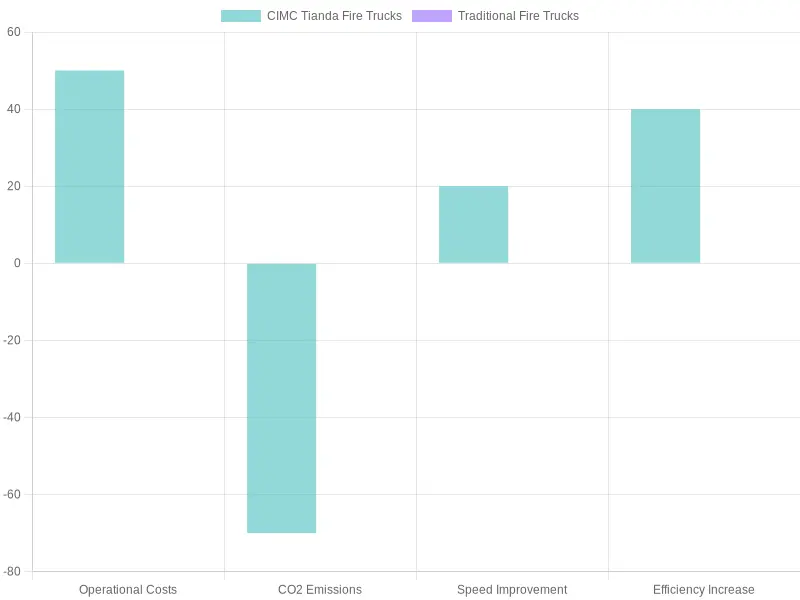
Efficiency Comparison of CIMC Tianda Fire Trucks vs Traditional Fire Trucks
The following chart illustrates the significant advantages of CIMC Tianda fire trucks in various performance metrics when compared to traditional fire trucks. The chart highlights how state-of-the-art technology and design have led to substantial improvements in operational efficiency and environmental impact, proving vital for modern firefighting operations.
| Metric | CIMC Tianda Fire Trucks | Traditional Fire Trucks |
|---|---|---|
| Operational Costs | 50% lower | Baseline |
| CO2 Emissions | 70% lower | Baseline |
| Speed Improvement | 20% faster | Baseline |
| Efficiency Increase | 40% better | Baseline |
Sources:
- Comparative Analysis of Efficiency of Fire Trucks with Traditional, Hybrid and Electric Power Units
- CIMC Tianda Holdings Company Overview
In conclusion, upgrading your airport fire truck equipment is not just a matter of compliance – it is an essential investment that can significantly enhance safety, efficiency, and overall operational resilience. As we’ve discussed, modern technologies integrated into CIMC Tianda’s airport fire trucks, such as advanced firefighting systems and superior response capabilities, ensure that your team is well-prepared for emergencies. The safety of passengers and crews is paramount, and with the right equipment, you can dramatically improve your emergency response times and effectiveness.
Moreover, with the new standards in the firefighting industry, business owners must take proactive measures to ensure their equipment meets current safety practices. Failing to upgrade could not only compromise safety but also expose your airport to unnecessary risks that can lead to devastating consequences.
Don’t wait for an emergency to realize the importance of top-tier firefighting solutions. Take action today and explore CIMC Tianda’s specialized airport fire truck offerings to equip your airport with reliable and advanced firefighting equipment. A small investment today can lead to significant benefits for the future of your operations. Contact us now to learn more about our cutting-edge technologies and how we can support your airport’s fire safety needs.