
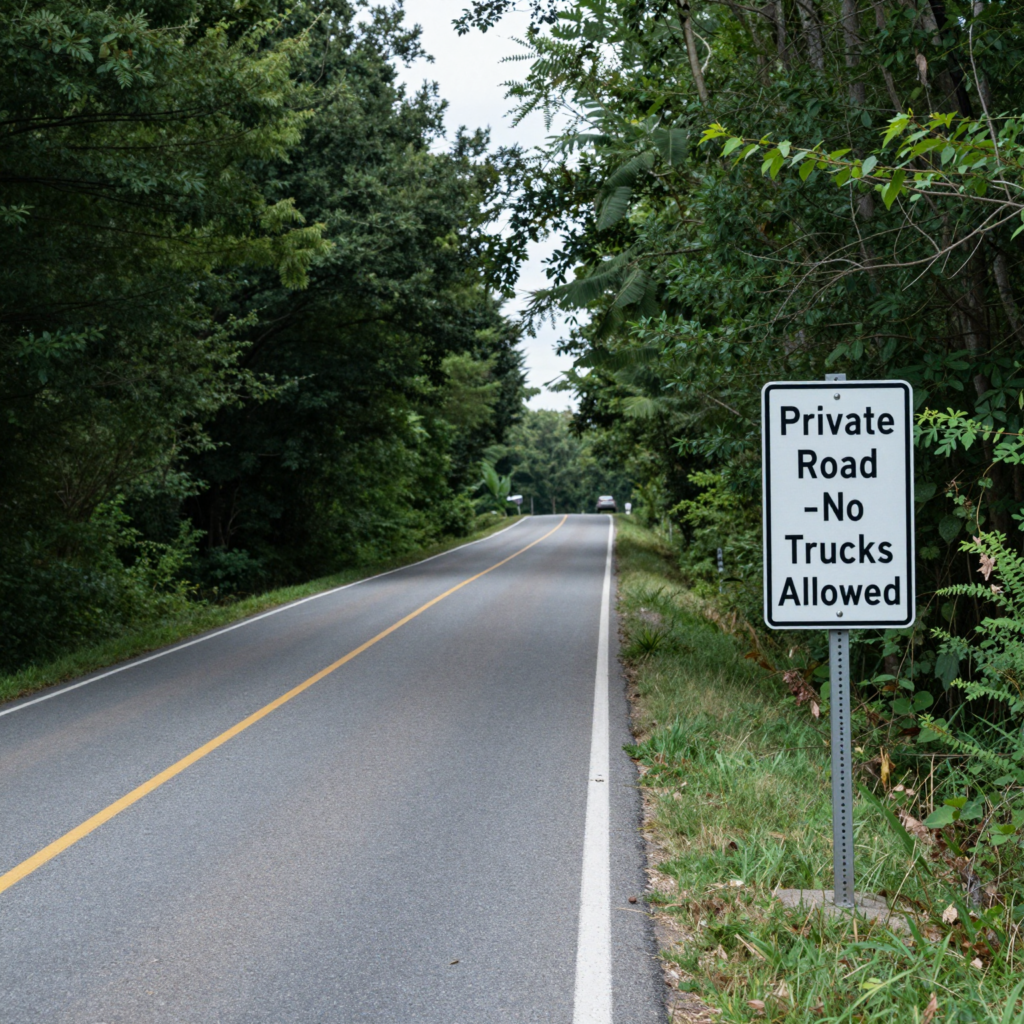
When it comes to protecting the sanctity of our private community roads, the message to keep large trucks at bay is not just a request but a necessity. These imposing vehicles, while essential for transporting goods, can wreak havoc on the delicate infrastructure, causing significant damage that affects the entire community. Imagine the rumbling sound of oversized vehicles barreling down roads that were never designed to handle such weight; it’s not just disruptive; it’s a threat to your property value and the overall tranquility of rural living.
As off-road enthusiasts and adventurers, we understand the thrill of traversing rugged trails and the importance of preserving our natural landscapes. We must rally together to ensure that our roads remain a refuge, not a thoroughfare for heavy trucks that belong on the highways. This isn’t merely about inconvenience-it’s about grassroots advocacy for our homes and livelihoods. By implementing strategic measures, we can fortify our community roads and preserve the wild spirit that attracts so many of us to rural landownership. Learn more about key features for effective management.
Common Issues Caused by Large Trucks on Private Roads
Large trucks, while essential for transporting goods, pose several significant concerns for private community roads. The unique challenges they present cannot be overlooked, especially for rural and suburban areas. Here’s a rundown of the most pressing issues:
-
Road Damage: The sheer weight of large trucks exerts tremendous pressure on the road surface, leading to cracks, potholes, and surface degradation over time. As noted by the Union of Concerned Scientists, heavy-duty trucks are a primary cause of road damage, resulting in costly repairs often borne by local taxpayers.
-
Increased Maintenance Costs: Communities experiencing high volumes of truck traffic face escalating road maintenance costs. As indicated in Murphy’s Law: How Trucks Destroy Our Roads, this constant wear and tear leads to an infrastructure burden that can be financially taxing for local governments.
-
Noise Pollution: Large trucks generate significant noise, which can disrupt the tranquility of residential neighborhoods. The sound of engines, braking, and shifting gears can lead to increased stress and decreased quality of life for residents.
-
Safety Concerns: The combination of large size and weight makes trucks less maneuverable, raising safety risks for smaller vehicles and pedestrians. According to the findings from Beasley Allen, mechanical failures like brake malfunctions can exacerbate this risk, all while larger vehicles obstruct visibility in residential areas.
-
Traffic Congestion: Trucks can also contribute to local congestion, particularly on narrower private roads not designed for heavy traffic. This can lead to frustration among residents and increased potential for accidents, as highlighted by multiple sources discussing the implications of heavy truck traffic.
Restricting access to large trucks on private roads is a legal right of property owners, founded on both property law and community regulations. Owners of private roads have significant authority to determine who can use their property. This authority extends to creating regulations that can effectively keep large trucks away, which is vital for preserving road conditions and maintaining safety for residents.
Rights of Private Road Owners
Private road owners are legally empowered to restrict access based on the principle of property rights. Under most jurisdictions, the owner holds the right to invite or exclude individuals from their property. This right includes the ability to designate certain types of vehicles-such as large trucks-as unwelcome. Owners can post signage that clearly indicates the restrictions and can impose penalties or take legal action against violators. According to experts, as detailed in Avvo’s discussion on trespassing laws, property owners should consider visible signage and other deterrents such as towing unauthorized vehicles to enforce these restrictions.
Community Regulations
Beyond individual rights, community regulations often play a crucial role in how private road restrictions are managed. Homeowners associations (HOAs) or local councils may enact rules tailored to the needs of the community that typically include width, weight limits, or specific restrictions on types of vehicles allowed on private roads. These regulations are designed not only to maintain road integrity but also to ensure the safety and well-being of residents. Violations can lead to fines or even legal action against the offending parties.
Trespassing Laws
When it comes to legal repercussions for violating access restrictions, trespassing laws come into play. Various states have differing definitions and penalties for trespassing, which can range from civil penalties to criminal charges. Resources such as the Ultimate Guide to Trespassing Laws provide an overview of these variations, highlighting that some states classify certain trespassing offenses as felonies.
For private road owners concerned about unauthorized truck access, it is crucial to consult legal resources or professionals to understand their rights and the most effective methods to enforce those rights. Further information concerning these laws can be found in articles like those from The Legal Guide, which elucidates the civil and criminal penalties associated with trespass.
In conclusion, private road owners possess the legal right to restrict access to large trucks and must be proactive in utilizing both signage and community regulations to safeguard their property and uphold the interests of their community.
Comparing Solutions to Keep Large Trucks Off Private Roads
Keeping large trucks off private community roads can be a challenging endeavor, especially for rural and agricultural landowners. Various solutions exist, each with its advantages and disadvantages. Below, we compare some of the most effective methods for keeping those massive vehicles restricted from entering residential areas, aiming to protect neighborhoods and ensure peace of mind for residents.
| Solution | Pros | Cons |
|---|---|---|
| Physical Barriers | – Highly effective at blocking access. – Customizable to fit specific needs. – Can enhance security as a deterrent. |
– May require significant upfront costs for installation. – Maintenance and repair can be ongoing concerns. – May obstruct legitimate vehicle access if not designed carefully. |
| Signage | – Low-cost implementation. – Provides clear communication to drivers. – Can enhance road safety by preventing accidents (effective signage can reduce accidents by 25%) according to studies. |
– May not be as effective if drivers ignore signs. – Requires regular assessment and replacement to ensure visibility and relevance. |
| Community Agreements | – Builds a sense of cooperation among residents and truck drivers. – Can lead to localized solutions and more community involvement. – Often results in fewer disputes. |
– Relies on consensus, which can take time to achieve. – May be difficult to enforce if agreements are not formalized. |
| Legal Actions | – Can lead to significant penalties for violators, deterring illegal access. – Offers a pathway to seek formal restitution for damages caused by trespassing trucks. |
– Can be costly and time-consuming, involving legal fees and court processes. – Can create tension between community members and truck drivers, especially if fines are enforced. |
Conclusion
For off-road enthusiasts, adventurers, and rural landowners, effectively managing the access of large trucks to private roads is vital. Each solution presents unique benefits and drawbacks, and the choice will often depend on specific community needs, resources, and the level of commitment to enforcement. Understanding these strategies can help protect community roads, maintain rural charm, and ensure safety.
If you’re interested in more on managing trucking logistics efficiently, explore must-have features of dispatching software.
This table provides a concise overview of the various strategies available. The selection of a solution will depend on community resources, needs, and the willingness to engage in cooperative efforts among residents and truck operators.
Community Support and Involvement
As members of a rugged community connected through our passion for off-road adventures and truck modifications, we must embrace the authority that comes with our collective voice. When it comes to crucial decisions regarding truck access on private roads, community involvement is not just optional-it is vital. Engaging community members in the decision-making process not only leads to better outcomes but also strengthens our resolve to enforce essential regulations regarding truck access.
The Power of Collective Decision-Making
When community members come together, we unleash a powerful resource. Each voice adds a layer of insight, reflecting unique perspectives on how truck access impacts daily life, safety, and the environment. This collaborative approach fosters well-informed decision-making that is often missing when a select few dictate policies. Furthermore, it increases community buy-in, meaning that residents are more likely to support and adhere to regulations endorsed collectively.
Benefits of Involvement
- Safety Enhancement: Involving the community leads to strategies that prioritize safety, as local residents understand the nuances of their neighborhood better than outsiders.
- Stronger Enforcement: When decisions stem from community consensus, there’s a greater sense of ownership and responsibility among residents to uphold these regulations. As such, enforcement becomes a shared mission.
- Trust and Transparency: Open dialogue encourages transparency. Community members feel heard, and this trust reduces friction between residents and road authority.
Local governments often thrive on public opinions-take a stand and ensure your voice is part of shaping the future of our cherished roads. Engage with your fellow adventurers, ranchers, and off-road enthusiasts. Demand meetings, create forums, and utilize every platform available to advocate for your rights. Learn more about the importance of community engagement and how you can mobilize today.
Successful Case Studies in Truck Access Restrictions
Restricting truck access to private community roads is vital to ensure the safety and well-being of residents. Here are two case studies that showcase successful community strategies to limit truck activity.
1. Barrio Logan, San Diego
The Barrio Logan community has long suffered from its industrial background and the heavy truck traffic that accompanies it. The community’s efforts include advocating for restricted truck routes to alleviate health issues due to poor air quality.
- Strategies Used:
- Local advocates worked to inform city officials of the direct correlation between truck traffic and environmental injustices.
- The city passed resolutions to restructure truck routes, effectively limiting heavy-duty traffic from residential areas.
- Outcomes Achieved:
- A measurable decrease in air pollution levels.
- Increased community involvement and awareness regarding truck-related health risks.
- While enforcement remains a challenge, efforts continue towards collaborative solutions for sustained community health.
Learn more about Barrio Logan’s restrictions
2. South Central Fresno
In South Central Fresno, residents expressed concerns over heavy-duty truck impacts on air quality and neighborhood safety. This led to the South Central Fresno AB 617 Community Truck Reroute Study, designed to identify effective strategies for rerouting.
- Strategies Used:
- A comprehensive analysis of existing traffic flows and community feedback to evaluate potential rerouting paths.
- Partnerships with local businesses to understand economic impacts.
- Outcomes Achieved:
- Data-driven decisions to reroute trucks away from residential areas, leading to improvements in air quality and overall community safety.
Read more about the Fresno study
Effective Solutions for Keeping Large Trucks Off Private Community Roads
As off-road enthusiasts and landowners, the serenity of your private community roads is paramount. With the increasing incidence of large trucks trespassing on these roads, it’s essential to implement effective solutions. Let’s explore some strategies that can help maintain the integrity of your community while keeping those massive vehicles at bay.
1. Physical Barriers
One of the most effective solutions is the installation of physical barriers.
- Bollards: Strong posts that prevent truck access but allow pedestrian and bicycle passage.
- Gates: Enclosed entries that can be locked after hours.
- Retaining Walls: Increasing elevation can deter larger vehicles.
2. Clear Signage
Place prominent signs indicating restrictions on truck access. Signs should be designed to be noticeable and informative, ensuring drivers understand the regulations.
- Explicit Warnings: Signs should include appropriate symbols, such as ‘No Truck Entry.’
- Speed Limits: Indicate speed regulations to assure safety for all users of the road.
3. Community Engagement
Engaging the community can amplify efforts toward keeping large trucks out. Host community meetings to discuss concerns about road safety and accessibility.
- Feedback Sessions: Allow residents to voice their opinions and suggest additional measures.
- Shared Responsibility: Encourage a collaborative approach where residents feel invested in maintaining the integrity of their roads.
4. Collaborating with Local Authorities
Work with local government officials and law enforcement. Having their support can lead to more significant enforcement of no-truck policies, ensuring that rules are followed.
- Regular Patrols: Can act as a deterrent for trucks that may wander onto private roads.
By implementing these strategies, communities can better protect their roads from large trucks. For more insights into managing your fleet and the importance of community collaboration, learn more about useful features and effective payroll management in trucking.
Keeping Large Trucks Off Private Community Roads
In rural communities, private roads are often the lifeline connecting residents to essential services and each other. However, the increasing size and number of large trucks can pose significant threats to these vital pathways. Off-road enthusiasts, adventurers, and landowners need to prioritize the preservation of these roads while ensuring safety and accessibility.
Understanding the Scale of the Problem
Large trucks are generally designed for commercial use, often weighing up to 80,000 pounds. The sheer weight and dimensions of these trucks can cause severe wear and tear on private roads, which are typically not designed to handle such load stress. This can lead to:
- Damage to Road Surfaces: Breaking up of pavement and unsettling of gravel can happen, leading to costly repairs.
- Increased Safety Hazards: The presence of large trucks can create dangerous situations for smaller vehicles, cyclists, and pedestrians.
- Noise Pollution: Large trucks create significant noise that disrupts the tranquility of rural living.
Strategies for Community Action
Given these challenges, it’s vital for communities to take proactive measures. Here are a few effective strategies to keep large trucks off private roads:
-
Clear Signage: Installing clear signs indicating no entry for large trucks can serve as an initial deterrent. Make sure the signage is visible and placed at strategic points where truck access may occur.
-
Community Patrols: Engaging local volunteers for periodic patrols can help monitor and report violations. This adds an extra layer of community watchfulness.
-
Conversations with Local Authorities: Communicating with local law enforcement and zoning boards can pave the way for regulations that restrict the usage of private roads by heavy trucks. Local ordinances can also be updated to better protect community roads.
-
Education and Awareness: Holding community meetings and distributing literature on the impacts of large trucks can help raise awareness among local residents and transportation companies.
“Keeping heavy trucks off our private roads is not just about preserving our infrastructure; it’s about maintaining the character and safety of our community,” says a local landowner advocating for road protection.
The Role of Technology
In today’s world, leveraging technology is crucial. Implementing dispatching software tailored for fleet management can help trucking companies optimize routes, avoiding residential areas when unnecessary. Learn more about fleet dispatching software here.
The appropriate planning and management of transportation can alleviate many of the concerns related to heavy trucks. From off-road racing events to agricultural needs, understanding the community’s distinct requirements can lead to balanced solutions that respect both road integrity and commercial activities.
Final Thoughts
While large trucks are essential for many businesses, they need to coexist with local communities without causing harm. By implementing strategies to keep these vehicles off private roads, communities can protect their way of life and maintain the safety of their roads.
Those involved in off-road trucking can also lead the charge in educating their peers about the importance of respecting private roadways. Together, we can forge a path towards a future that honors both industry and community values.
Conclusion: Take Action for Your Community
As we’ve explored, keeping large trucks away from private community roads isn’t merely a matter of regulation-it’s a collective responsibility that demands action from everyone involved, from off-road enthusiasts to landowners and local organizations. The strategies discussed in this article, including clear signage, cultivating community awareness, and engaging local law enforcement, are vital for protecting our neighborhoods. Remember, proactive communication with truck drivers and companies about respecting private road boundaries is equally essential.
Now, it’s time to not just sit back and hope for change but to actively implement these strategies in your own community. Gather your fellow adventurers, landowners, and enthusiasts to create an action plan for safeguarding your roads. Establishing a community task force or awareness group can significantly increase visibility and adherence to these crucial measures.
Why Community Efforts Matter: It’s the collaboration between individuals and organizations that will make the most impact. Your involvement can ignite a ripple effect, leading to broader community buy-in and compliance with road regulations. Together, we can maintain the rugged beauty and functionality of our private roads, ensuring safe passage for all.
If you’re looking to equip your off-road vehicle effectively for these tasks, check out Summit Fairings for the best solutions tailored specifically for your needs.
So, rally your community, implement these strategies, and let’s get to work on preserving the integrity of our roads. Together, we can create a safer and more responsible off-road culture.
Key Takeaways for Keeping Large Trucks Off Private Roads
Keeping large trucks off private roads is essential not only for preserving the integrity and safety of the roads but also for maintaining the peaceful enjoyment of the communities they serve. Here’s a rundown of strategies that can be implemented to effectively manage truck access.
The Importance of the Issue
Large trucks can cause excessive wear and tear on private roads, leading to costly repairs and potentially dangerous driving conditions. They may also disrupt the tranquil atmosphere often found in rural and residential areas, posing risks to both pedestrians and smaller vehicles.
Effective Strategies to Keep Trucks Off:
-
Legal Restrictions
Local ordinances can help enforce restrictions against large trucks. Installing signs indicating “No Trucks Allowed” that reference local traffic laws or homeowners’ association rules can deter drivers from using these roads. Learn more about legal enforcement options. -
Clear Signage
Visibility is critical. Using high-quality, durable signs at entrances to the roads can inform drivers of the restrictions. A well-placed sign with a clear symbol can make a significant impact. -
Physical Barriers
For those who require a more robust solution, physical barriers such as bollards or gates can be installed to block truck access while still permitting smaller vehicles to pass. These barriers can be particularly effective in high-traffic areas. -
Time-Based Restrictions
Implementing restrictions during specific hours can help manage truck traffic effectively. Auxiliary signs indicating “No Trucks After 6 PM” can help maintain peace during nighttime hours. -
Warning Signs
Advance warning signs are crucial for alerting drivers to restrictions before they reach sensitive areas. By placing signs like “Ahead: No Trucks” at distances approximately 100-200 feet from critical zones, confusion can be minimized. -
Enforcement & Monitoring
Technology can bolster these efforts. Cameras and patrols can monitor compliance, and local authorities can issue citations for violations, ensuring that the restrictions are taken seriously.
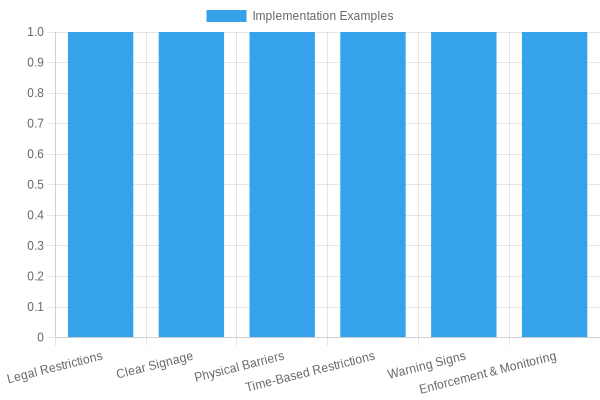
By using a combination of legal frameworks, visible signage, physical obstacles, proactive planning, and sophisticated monitoring, communities can successfully keep large trucks off private roads. Implementing these methods not only protects community infrastructure but also ensures a safer and more pleasant environment for all who live there. Embracing these strategies will allow passionate landowners and enthusiasts to uphold the rugged values and freedoms they cherish.
For those interested in optimizing truck fleet management alongside these strategies, check out our insights on dispatch software for fleet management.