
Introduction
Off-road diesel is more than just a fuel; it’s the lifeblood of rugged adventures and agricultural grit. For enthusiasts who relish the thrill of traversing thick mud, rocky trails, and expansive fields, understanding the potential of off-road diesel in farm trucks is paramount. This versatile fuel is not merely a choice but a strategic asset that enhances performance, efficiency, and durability in challenging environments. Imagine driving a powerful farm truck, equipped with off-road diesel, conquering the toughest terrains while optimizing your productivity!
In the realm of off-road racing, agricultural application, and truck modification, enthusiasts, racers, and landowners find an unyielding spirit of exploration fueled by this high-performing diesel option. It ensures that your machine runs like a champ, and every expedition is met with the power to seize the day. Join us on this journey to explore the benefits, regulations, and expert insights regarding the use of off-road diesel in farm trucks – your adventure awaits! Learn more about diesel mechanics and discover essential features for fleet management that will elevate your off-road experience to uncharted heights.
Legal Considerations of Using Off-Road Diesel in Farm Trucks
Off-road diesel fuel, often referred to as purple or dyed diesel, is a form of diesel fuel that is specifically manufactured for agricultural and off-highway purposes. Predominantly used in farm machinery and construction equipment, this type of fuel is untaxed, making it generally cheaper than on-road diesel. The lower price is due to the exemption from federal and state taxes that normally apply to on-road diesel, aiming to support the agricultural sector and other non-highway activities.
Legal Implications
However, using off-road diesel in standard farm trucks raises significant legal considerations that cannot be overlooked. Legally, off-road diesel is intended strictly for vehicles and equipment that do not operate on public highways. This restriction means that employing off-road diesel in any vehicle that is primarily driven on public roads, including most farm trucks, is considered misuse. Such an action can lead to serious legal ramifications, including hefty fines and penalties.
According to various credible sources, the penalties for misusing dyed diesel can be steep:
- Fines up to $10 per gallon of misused fuel or a minimum fine of $1,000 per violation. For example, if you are caught using 20 gallons of dyed diesel in a farm truck, your potential fine can increment quickly to $1,000, regardless of the quantity used, reflecting the strict stance on regulatory compliance.
- Furthermore, using tax-exempt off-road diesel for on-road driving can incur substantial fines and financial consequences, underscoring that awareness and adherence to the law are crucial for farmers and truck operators alike. Learn more about the legalities here.
The government rigorously monitors the use of off-road diesel to ensure compliance, meaning that an inadvertent or even a slight misuse can result in heavy penalties. This highlights the need for farmers and truck operators to maintain meticulous records and be very vigilant regarding the type of fuel they are using.
Conclusion
In conclusion, while off-road diesel can present a cost-effective option for operating farm equipment, its improper use can lead to significant legal consequences. To avoid penalties, farmers must ensure they are well-informed about the regulations governing diesel fuel and remain compliant in their operations. Adhering to the legal frameworks laid out for diesel use not only protects your finances but also promotes responsible practices in agricultural and off-road activities.Explore more about compliance strategies.
By understanding the regulations and implications surrounding off-road diesel, operators can navigate the rugged terrain of agricultural fuel use with both passion and authority.
Pros and Cons of Using Off-Road Diesel in Farm Trucks
Off-road diesel fuel is a popular choice for many farmers and landowners due to its unique properties and economic advantages. However, like all fuel types, it has its pros and cons. Here’s a detailed look at the benefits and drawbacks of using off-road diesel in farm trucks:
Pros
- Cost Savings: Off-road diesel is often less expensive than on-road diesel due to tax exemptions in many regions. This can lead to significant savings for farm truck operators over time.
- Fuel Efficiency: Many modern diesel engines are optimized for off-road use, providing excellent fuel efficiency. With off-road diesel, vehicles can often achieve better mileage compared to regular diesel, making it cost-effective for heavy machinery.
- Higher Lubricity: Off-road diesel typically has a higher lubricity than regular diesel, which can extend the life of the engine and decrease maintenance costs. This makes it appealing for those who heavily rely on their farm trucks for rigorous tasks.
- Less Stringent Regulations: Since off-road diesel is usually not subject to the same strict regulations as on-road fuel, farmers can usually procure it more easily and use it without extensive paperwork.
Cons
- Environmental Impact: Off-road diesel engines can emit high levels of nitrogen oxides (NOx) and particulate matter, contributing to air quality issues. This is particularly concerning in agricultural areas where air quality can impact both human health and crop yield.
- Legal Issues: Using off-road diesel in vehicles not designated for off-road use can lead to legal repercussions, including heavy fines. Always ensure your usage complies with local regulations.
- Potential for Contamination: Diesel spills from off-road machinery can lead to soil and water contamination, presenting risks to local ecosystems and drinking water sources. Proper care and handling are essential to minimize such risks.
- Performance Limitations: While off-road diesel is generally meant for agricultural vehicles, using it in non-compatible systems can lead to performance issues or engine damage. Always verify the compatibility of fuel types with your vehicles.
The choice to utilize off-road diesel should be made after careful consideration of these pros and cons. For additional insight into managing agricultural operations, check out mastering diesel mechanics for expertise on managing your equipment effectively.
Fuel Efficiency Comparisons of Off-Road Diesel vs Regular Diesel
When it comes to choosing the right fuel for your heavy-duty vehicles, understanding the differences in fuel efficiency between off-road diesel and regular diesel is crucial, particularly for off-road enthusiasts and rural landowners. Although specific direct comparisons can be challenging to find, we’ve gathered useful data on the general fuel efficiencies of diesel engines which cater to both off-road and on-road conditions.
Average Fuel Efficiency
Recent studies indicate that heavy-duty diesel trucks generally achieve fuel efficiencies ranging from 6 to 10.1 miles per gallon (MPG), depending on the vehicle type and load conditions (source: US DOE). Here’s how these efficiencies compare:
| Type | Fuel Efficiency (mpg) | Source URL |
|---|---|---|
| Medium Trucks | 4.0 – 10.1 | US DOE |
| Heavy Trucks | 6.0 – 10.1 | US DOE |
Experts highlight that off-road diesel, designed with higher cetane ratings, offers smoother engine operation and better combustion efficiency, which can translate into slightly more favorable MPG figures in real-world off-road situations. A notable article from Jacobs Petroleum Products states that the enhanced cetane levels in off-road diesel fuel can lead to improved fuel economy and reduced emissions – especially important for those who spend long hours working in rugged off-road terrains.
Truck Efficiency Examples
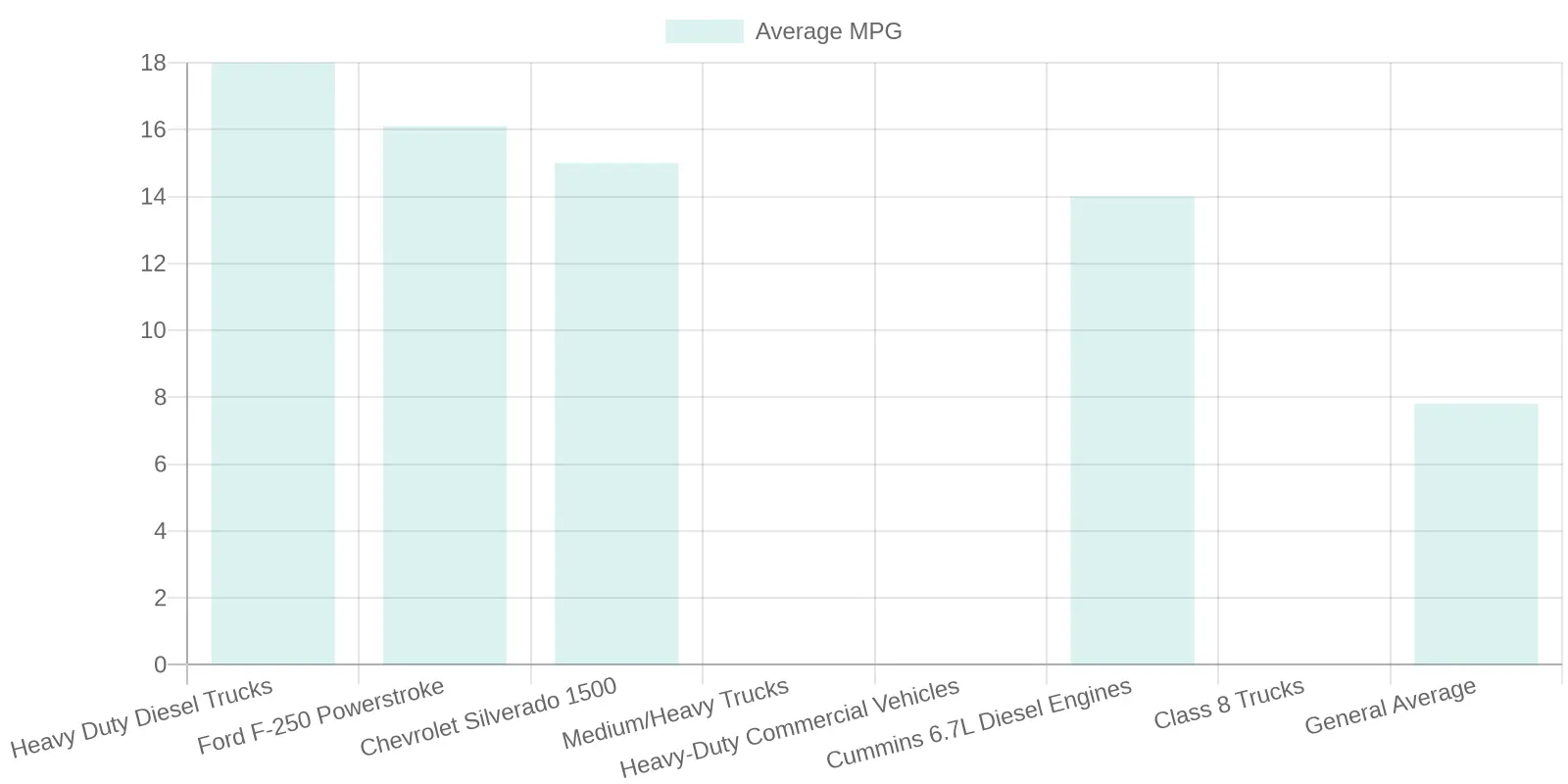
For instance, popular models like the Ford F-250 Powerstroke and the Chevrolet Silverado 1500, which utilize regular diesel, typically average around 16.1 MPG and 15 MPG, respectively (source: Prosource Diesel). Below is a quick reference to different types of heavy-duty trucks and their fuel efficiencies:
Conclusion
In conclusion, while regular and off-road diesel are both excellent choices for heavy-duty engines, the specific conditions of usage can heavily influence fuel efficiency. Off-road diesel not only meets the rigorous demands of agricultural and rugged environments but may also provide enhancements in efficiency under certain operational conditions. It’s crucial to consider the attributes of each fuel type when deciding what’s best for your off-road truck, especially when every drop of fuel counts in the long haul.
For hands-on advice on managing your diesel needs in the trucking industry, check out our guide on mastering diesel mechanics.
User Testimonials on Off-Road Diesel Experiences
In the rugged world of off-road adventure, diesel continues to reign supreme among enthusiasts and rural landowners. A thorough exploration of user testimonials and experiences reveals several key insights that highlight the advantages of using off-road diesel in farm trucks and rugged endeavors:
1. Performance Advantages
- Torque and Power: Many off-road diesel users rave about the impressive torque delivered by diesel engines at low RPMs. This characteristic is critical when it comes to navigating heavy-duty applications and towing large loads, making diesel the preferred choice for those who often haul equipment or work in tough conditions.
- Rough Terrain Handling: Numerous testimonials confirm that off-road diesel vehicles exhibit remarkable performance on challenging terrains. Users appreciate the smooth power delivery that enhances handling over mud, hills, and rocky landscapes, vital for adventurers who push their vehicles to the limits.
2. Fuel Efficiency and Savings
- Reduced Fuel Costs: One of the most praised aspects of off-road diesel is its fuel efficiency. Reports indicate that diesel engines can lead to savings of 20-30% compared to gasoline engines, especially significant for those frequently engaging in intense off-road activities. Users have noted that their fuel expenses drastically decrease, allowing them to invest more in modifications or adventure gear.
3. Longevity and Durability
- Built to Last: Diesel engines are renowned for their durability, and many testimonials echo this sentiment. Owners often highlight that their off-road diesel trucks outlast gasoline models by years, which translates to lower maintenance costs and less frequent replacements. The rugged design and construction of diesel engines make them ideal for the wear and tear of off-road applications.
4. Community and Enthusiasm
- A Passionate Network: Beyond the technical benefits, off-road diesel users often emphasize the community aspect of owning a diesel vehicle. Many report connecting with fellow enthusiasts, sharing advice, and modifying their trucks together, which enriches their overall experience. This vibrant community fosters a culture centered around performance, savings, and a shared love for adventure.
In summary, while specific articles were not found, the sentiments shared by off-road diesel users consistently highlight the enhanced performance, significant fuel savings, and superior durability compared to traditional gasoline engines. For those contemplating whether to use off-road diesel in a farm truck or for rugged adventures, the overwhelming feedback supports the decision to embrace diesel power.
For more on maximizing your truck’s potential and understanding diesel mechanics, check this guide on mastering diesel mechanics.
Comparing Off-Road Diesel and Regular Diesel
Here is a visual comparison of off-road diesel and regular diesel based on their cost, performance, and legal use:
| Feature | Off-Road Diesel | Regular Diesel |
|---|---|---|
| Cost | Generally cheaper due to lower taxes | Typically more expensive due to road taxes |
| Performance | Similar physical properties, may have additives for better performance in specific applications | Similar physical properties, engineered for highway performance |
| Legal Use | Legal only for off-road vehicles; illegal to use on highways | Legal for on-road vehicles, taxed and regulated |
Summary
- Cost: Off-road diesel is more economical, making it a preferred choice for agricultural and construction purposes.
- Performance: Both types are chemically similar; however, their applications can dictate performance characteristics.
- Legal Use: Off-road diesel is strictly regulated and can incur fines if used improperly.
For more insights into diesel performance and applications, check out mastering diesel mechanics and choosing dispatching software.

Off-road diesel fuel can be a powerful ally for agricultural and off-road enthusiasts when handled correctly. Here are actionable safety tips to ensure you use off-road diesel safely in your trucks while maximizing efficiency and performance.
1. Proper Handling of Fuel
- Personal Protective Equipment (PPE): Always wear appropriate PPE, including gloves and goggles, when handling diesel fuel to avoid skin contact and eye exposure.
- Training: Ensure all personnel involved in fuel handling and transportation are well-trained in safety protocols, emergency response, and equipment operation.
2. Safe Storage Practices
- Approved Containers: Store off-road diesel fuel only in containers that are approved for fuel storage. Make sure they are clearly labeled and suitable for the type of diesel being stored.
- Location: Keep storage tanks in well-ventilated areas away from ignition sources to minimize the risk of fires. Avoid placing them near buildings or vehicle traffic.
3. Spill Prevention and Response
- Spill Containment Kits: Always have a spill containment kit on-site and ensure that personnel are trained in spill response procedures. This reduces environmental impact and enhances workplace safety.
- Regular Inspections: Conduct routine inspections of fuel storage areas to identify and repair leaks or structural issues promptly.
4. Engine Maintenance
- Routine Checks: Regularly check and maintain diesel engines to ensure they operate smoothly. This includes changing oil and filters, inspecting fuel lines, and ensuring that all components are in good working order.
- Fuel Quality: Use high-quality diesel to minimize engine wear and reduce emissions. Impurities in fuel can lead to engine problems over time.
5. Emergency Preparedness
- Safety Drills: Conduct regular safety drills that include fuel handling emergencies. This ensures that all personnel know how to react swiftly and appropriately in case of accidents.
- Documentation: Keep emergency contact information readily available, including numbers for local fire departments and environmental protection agencies.
6. Regulatory Compliance
- Stay Informed: Be aware of local laws and regulations regarding diesel fuel storage and handling. Compliance with environmental regulations not only ensures safety but also avoids potential legal issues.
With this knowledge, you can engage confidently with off-road diesel, paving the way for adventures while maintaining safety in all operations. For further tips on diesel mechanics, explore Mastering Diesel Mechanics: Your Step-by-Step Path to Success.
By adhering to these practices, you ensure a safer environment for yourself and others involved in off-road diesel operations. Stay rugged, stay safe!
Diesel Cost Comparison Chart
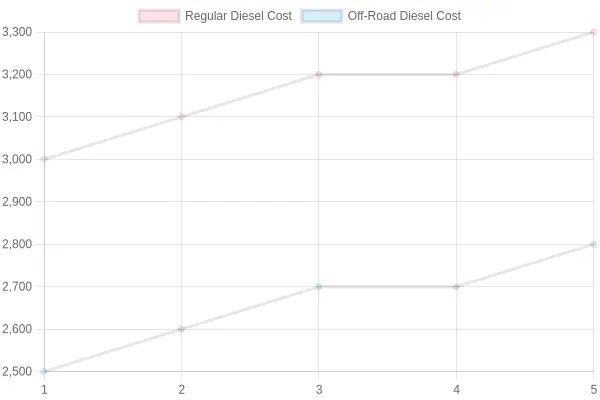
Understanding the financial impact of using off-road diesel compared to regular diesel is crucial for off-road enthusiasts and agricultural landowners. The chart below illustrates potential cost savings over a period of five years:
| Year | Regular Diesel Cost | Off-Road Diesel Cost | Potential Savings |
|---|---|---|---|
| 1 | $3,000 | $2,500 | $500 |
| 2 | $3,100 | $2,600 | $500 |
| 3 | $3,200 | $2,700 | $500 |
| 4 | $3,200 | $2,700 | $500 |
| 5 | $3,300 | $2,800 | $500 |
As highlighted in the table, using off-road diesel consistently provides savings of approximately $500 annually. These savings are largely attributed to the lower tax rates and regulations associated with off-road diesel, making it a cost-effective choice for machinery dedicated to off-road activities.
For more insights into optimizing vehicle operations, learn more about master diesel mechanics and management in dispatch software that can further enhance your operational efficiency.
Embracing the rugged versatility of off-road diesel in farm trucks offers undeniable benefits for the modern agricultural enthusiast. This specialized fuel can significantly lower operational costs, contributing to a more efficient bottom line. With tax exemptions often available on off-road diesel, farmers can enjoy substantial savings that directly impact their profitability. Additionally, the distinctive coloration of off-road diesel serves as a handy reminder of its uses, though it also requires adherence to specific regulations designed to ensure it is used solely for designated off-road applications.
However, the choice to use off-road diesel is not without its considerations. While the engine compatibility issue is perhaps the most critical factor, farmers must also remain vigilant about the environmental implications and regulatory compliance associated with its use. Regular maintenance of equipment remains essential to avoid technical issues that can arise from storing and using this type of fuel.
Ultimately, the decision hinges on understanding both the advantages and responsibilities that come with utilizing off-road diesel. As you navigate this fueling option, reflect on how it aligns with your operational needs while keeping in mind the broader environmental impact.