
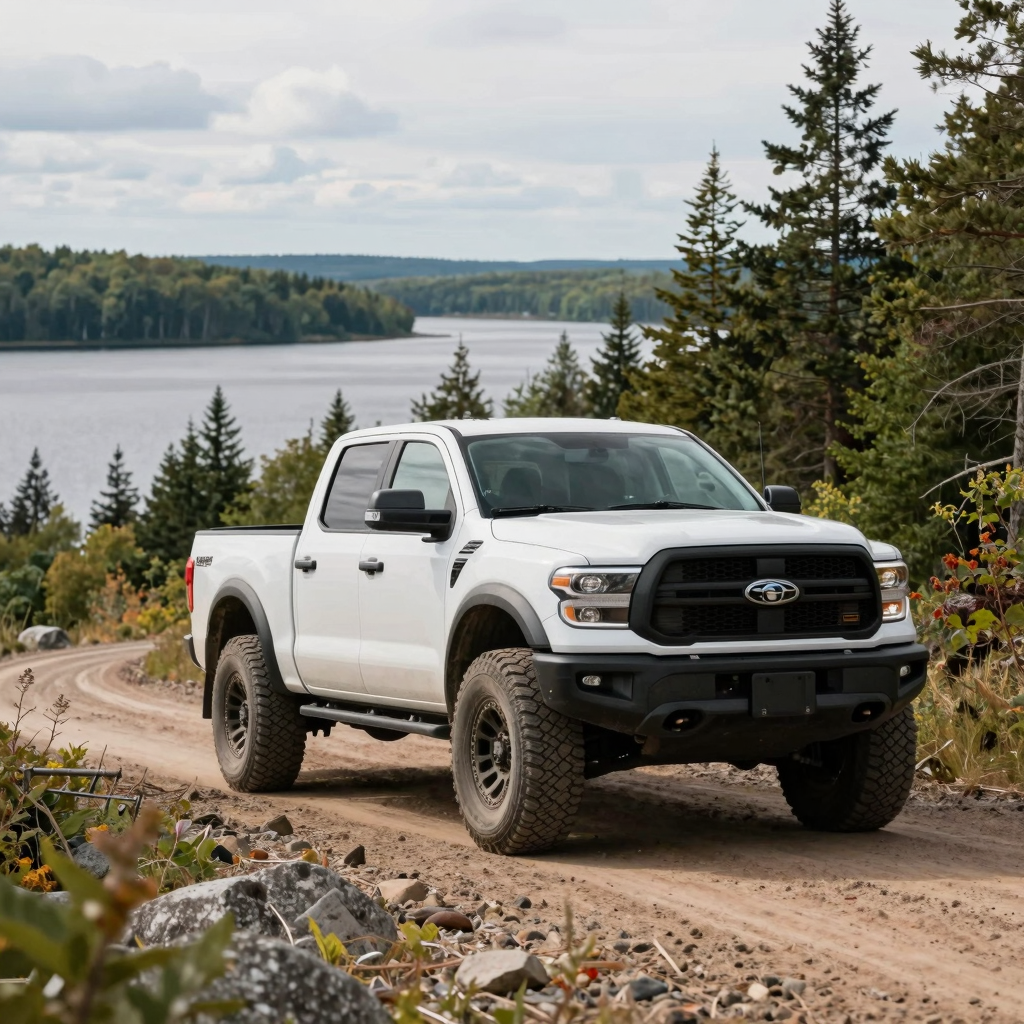
Introduction to Off-Road Trucks on Wisconsin Roads
The thrill of off-roading is an exhilarating adventure that combines the rugged charm of untamed landscapes with the sheer power of specialized vehicles. For off-road enthusiasts, there’s nothing quite like the feeling of conquering challenging terrains, exploring hidden trails, and pushing the limits of what their machines can do. But for those considering diving into this world with off-road trucks, the question looms: are these beasts allowed on Wisconsin roads? As serene lakes and dense forests beckon for exploration, understanding the regulations surrounding off-road trucks on state roads is crucial for ensuring both the preservation of our natural habitats and the safety of our communities. Wisconsin, with its diverse terrain, not only invites adventures but also has specific laws governing the use of these vehicles. So before you load up your truck for a weekend of thrill-seeking, let’s delve into what it means to blend the excitement of off-roading with the realities of driving on Wisconsin roads. Learn more about the must-have features of dispatching software and how they can assist in navigating your adventures.
When it comes to off-road adventures, enthusiasts often turn to a variety of truck types, each designed to tackle rugged terrains and provide thrilling experiences. Here’s a look at some popular off-road truck types that are commonly utilized by off-road enthusiasts and participants:
-
4×4 Trucks: Perhaps the most recognized type, these trucks feature a four-wheel-drive system that provides better traction on challenging surfaces like mud, sand, and snow. Models such as the Ford F-150 and Chevrolet Silverado are often modified for off-roading.
-
Lifted Trucks: These trucks are modified with enhanced suspensions to raise their ride height. This increase in height helps them navigate over obstacles with ease and improves their off-road performance.
-
ATVs (All-Terrain Vehicles): Though not traditional trucks, ATVs are popular for off-road adventures. They are nimble and can traverse tight trails that larger vehicles cannot access, making them excellent for exploration.
-
6×6 and 8×8 Trucks: These configurations are designed for extreme off-road conditions. They offer superior stability and power, often used in military, construction, and heavy-duty applications. Vehicles like the Mercedes-Benz Zetros fall into this category.
-
Dune Buggies: Custom-built for sandy terrains, dune buggies are lightweight and feature powerful engines, making them perfect for racing on the beach or in deserts.
-
Overland Vehicles: These are purpose-built for long-distance travel over rough terrains. They come equipped with everything needed for camping and extended living off the grid, often based on a truck chassis.
-
Rock Crawlers: Specifically designed to navigate rocky terrain, these trucks have specialized suspension systems and tires that can handle sharp inclines and obstacles.
Each of these vehicle types has its unique attributes tailored to specific terrains and activities. Whether you’re aiming to conquer mountains or race through sandy beaches, there’s an off-road truck type built for the adventure.
For tips on customizing your off-road vehicle, learn more about essential features. Embrace the rugged life and find the right off-road companion!
This section encapsulates the rich diversity of off-road trucks, providing enthusiasts with a primer on options for their adventures.
Are Off-Road Trucks Allowed on Wisconsin Roads?
Wisconsin is a haven for off-road enthusiasts, but understanding the legalities surrounding off-road vehicles (ORVs) is essential for anyone looking to drive these rugged machines on public roads. The laws governing off-road trucks in Wisconsin are strict to ensure safety and preserve public land. Let’s delve into the current Wisconsin road laws regarding ORVs that every off-road adventurer should know.
Legal Restrictions on Off-Road Vehicles
According to Wisconsin Statutes § 341.26, operating off-road vehicles on public roads, streets, and sidewalks is strictly prohibited without explicit permission from local government authorities. This statute highlights that even if your vehicle is registered, it must not be driven on public roads unless you have obtained the necessary permissions from local authorities. This regulation is crucial as it empowers local governments to establish their own specific rules, ensuring that ORV use aligns with community standards and safety requirements.
The Wisconsin Department of Natural Resources (WDNR) governs the use of ORVs and prohibits their operation on public roads unless in designated areas or controlled recreational zones. Wisconsin’s off-road laws require that any vehicle operating in such zones complies with safety requirements, including proper registration and insurance, as well as having necessary safety gear like helmets and lights.
Designated Routes for Off-Road Vehicles
While many public roads are off-limits, numerous counties and towns have designated off-road trails that are open to ORV use. However, it is important to note that these trails often do not connect directly to major roads. Riders must stay informed about approved routes to avoid fines and potential vehicle impoundment for violating state laws. Riders are also encouraged to visit the Wisconsin Department of Natural Resources for comprehensive guidelines on where off-road vehicles can be legally operated.
Potential Penalties for Violations
Operators who disregard the regulations can face serious repercussions, including hefty fines and vehicle confiscation. The legal framework is designed not only to protect the environment but also to ensure the safety of all road users. By understanding and adhering to Wisconsin’s off-road laws, adventurers can enjoy their rides while being responsible citizens.
In conclusion, while off-road trucks offer the thrill of adventure in Wisconsin’s beautiful landscapes, it is imperative to respect the laws in place. Those looking to explore options for off-road travel should educate themselves about designated routes and necessary vehicle specifications to fully enjoy Wisconsin’s rugged terrain responsibly.
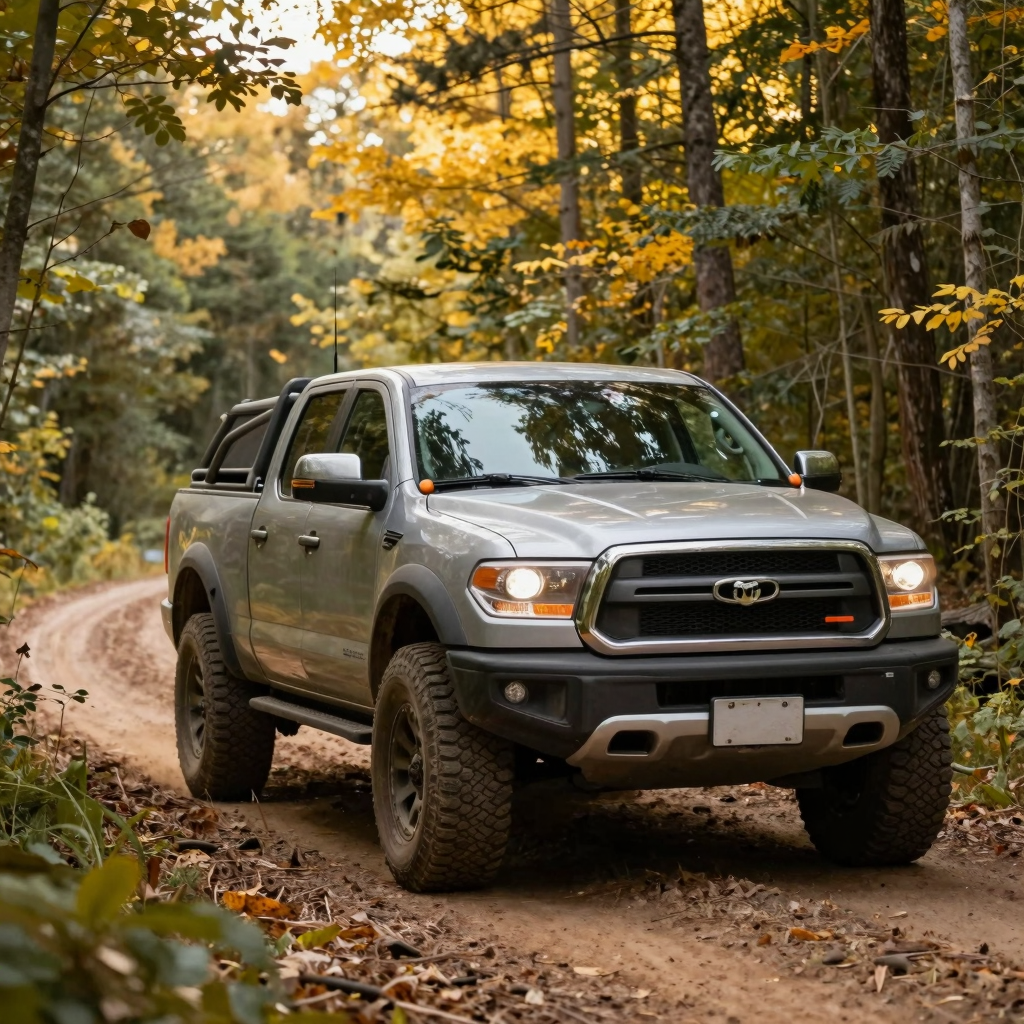
For more about optimizing your off-road experience and ensuring compliance with state regulations, check out our article on mastering diesel mechanics to keep your vehicle in peak condition for those wild Wisconsin trails!
| State | Legal Status | Registration Required? | Notes |
|---|---|---|---|
| Wisconsin | Allowed on public roads | Yes | Registration is required if used on public roads. Off-road trucks used exclusively off-road do not need registration. |
| Minnesota | Allowed on public roads | Yes | All off-road vehicles must be registered if used on roads, including modified vehicles. |
| Illinois | Allowed on public roads | Yes | Off-road vehicles must be registered. Operating on public roads without registration is illegal. |
| Michigan | Allowed on public roads | Yes | Off-road vehicles need registration to operate on roads; also require proof of insurance. |
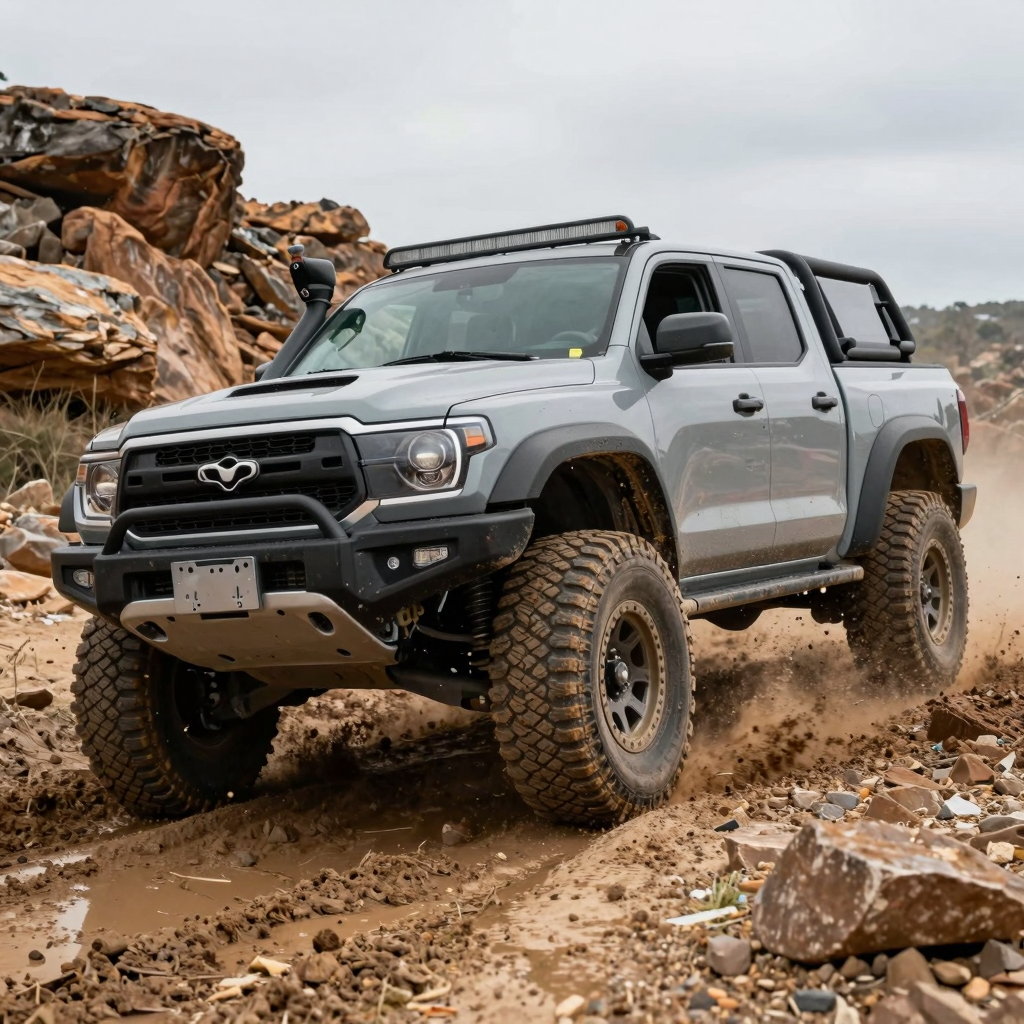
Benefits of Modifying Off-Road Trucks
Modifying off-road trucks is not merely a fad or a hobby; it is an embodiment of passion and a way of life for countless enthusiasts. These modifications serve dual purposes: enhancing performance and elevating aesthetics, creating a truck that is as capable as it is eye-catching.
Enhanced Performance
The true heart and soul of any off-road truck modification lies in its performance enhancements. Upgrades such as lifted suspensions, larger tires, and improved axles drastically improve ground clearance and traction, making it feasible for any adventurer to conquer rugged terrains and daunting trails. ECU remapping and performance tuning can also boost engine output and responsiveness, allowing for exhilarating acceleration and smoother handling, whether you’re barreling through mud pits or traversing rocky landscapes. As Popular Mechanics reports, these enhancements transform a regular truck into a beast designed for adventure, packing power and stability to tackle whatever Mother Nature throws your way.
Striking Aesthetics
The aesthetic aspects of truck modifications cannot be overlooked. Custom paint jobs, vinyl wraps, and unique body kits add a dash of personal flair, allowing owners to express their adventurous spirit. Accentuating their vehicle with custom lighting, roof racks, and aggressive bumpers not only enhances the truck’s appearance but adds functionality, such as better visibility during night rides. Trucks turned into personalized showpieces represent not only the adventure lifestyle but also serve as an invitation to join a vibrant community of like-minded enthusiasts. As shared in the guide on Car and Driver, distinctive aesthetics also elevate a truck’s curb appeal, potentially enhancing its resale value.
Community and Culture
Moreover, the culture surrounding off-road truck modifications bred a community of enthusiasts. It’s about building relationships through shared experiences, from weekend trail rides to competitive off-road events. This camaraderie among truck owners creates a network filled with advice, support, and friendship, reinforcing a collective passion that transcends individual pursuits.
In conclusion, modifying off-road trucks goes beyond mere function; it transforms vehicles into powerful machines of adventure and personal expression, celebrating the rugged spirit of the outdoors and the tight-knit community of enthusiasts that thrive on it.
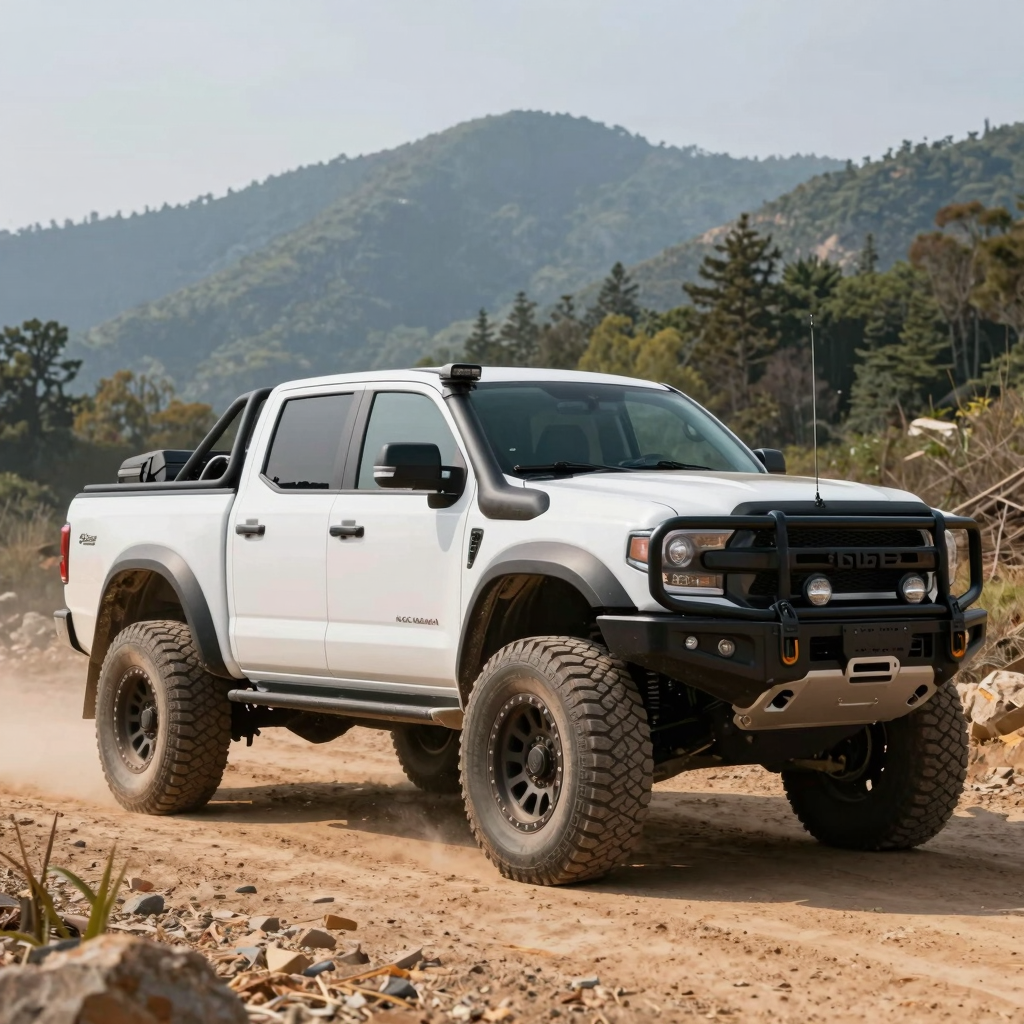
“Safety is the cornerstone of off-roading, and adhering to road regulations is the first step towards safe adventures. Regardless of whether you are on unpaved trails or entering urban areas, understanding and following local vehicle access rules, speed limits, and restricted zones is crucial. Ignoring these can lead to legal repercussions and, more importantly, put lives at risk.”
- Off-Road Expert, source
In Wisconsin, knowing these regulations allows off-road truck enthusiasts to enjoy their vehicles legally and safely. For further insight into the intricacies of vehicle regulations and features, you can learn more about the features of dispatching software or explore the benefits of PEOs in trucking payroll management.
Off-road truck enthusiasts in Wisconsin face a unique set of challenges that can hinder their enjoyment of this exhilarating hobby. These challenges stem from a mix of legal restrictions, variable road conditions, and competition with agricultural land use, all of which require careful navigation and awareness.
Legal Restrictions
One of the most significant hurdles for off-road truck owners is the comprehensive legal framework governing off-road vehicle (ORV) use in Wisconsin. The Wisconsin Department of Natural Resources (DNR) imposes strict regulations on where and how off-road trucks can operate. The rules dictate that ORVs may only travel on designated trails and areas specifically sanctioned by the DNR. Operating on public roads, sidewalks, or private property without explicit permission is strictly prohibited. This legislation aims to protect natural resources and ensure public safety, but it limits the freedom off-roaders desire. Additionally, every operator must possess a valid ORV operator’s permit, and vehicles must be properly registered and equipped with necessary safety features. Violations can result in hefty fines and even vehicle impoundment, which adds another layer of caution for owners trying to conform to the law. Learn more about ORV regulations.
Road Conditions and Accessibility
Wisconsin’s varied terrain can provide both breathtaking experiences and formidable challenges for off-road truck owners. The state is known for its rugged trails, but these can quickly become muddy, rutted, or blocked after heavy rain or spring thaws. Such conditions not only complicate travel but also require frequent vehicle repairs and enhancements. Owners often find themselves navigating steep inclines, rocky outcrops, or traversing water crossings that test the limits of both driver skill and vehicle capability. Moreover, the limited access to repair services in more remote areas can lead to extended downtime, making it critical that enthusiasts invest in reliable mechanical upkeep and modifications tailored to these demanding conditions. Read about trail maintenance issues.
Competition with Agricultural Use
Another factor complicating off-road truck use in Wisconsin is competition with agricultural activities. Many trails that off-roaders covet are often shared with farmers who depend on these lands for their livelihood. During certain seasons, particularly harvesting and planting, access may be restricted due to the necessity of keeping these fields free of traffic that could damage crops or disrupt farming operations. Off-road enthusiasts must frequently remain vigilant, respecting agricultural priorities while planning their adventures.
Conclusion
The rugged allure of off-road trucking in Wisconsin is met with a series of challenges that require passion, preparation, and perseverance. From strict legal requirements to navigating treacherous terrains and respecting agricultural land use, off-road truck owners must not only embrace the adventurous spirit but also adapt to these realities for a fulfilling experience. Engaging with fellow enthusiasts, staying informed about local regulations, and investing in vehicle maintenance can significantly enhance the off-road journey, combining thrill with responsible recreation.
In conclusion, while Wisconsin presents some obstacles for off-road enthusiasts, understanding and addressing these challenges can turn potential frustrations into unforgettable adventures in the great outdoors.
Growth Trends of Off-Road Truck Sales in Wisconsin
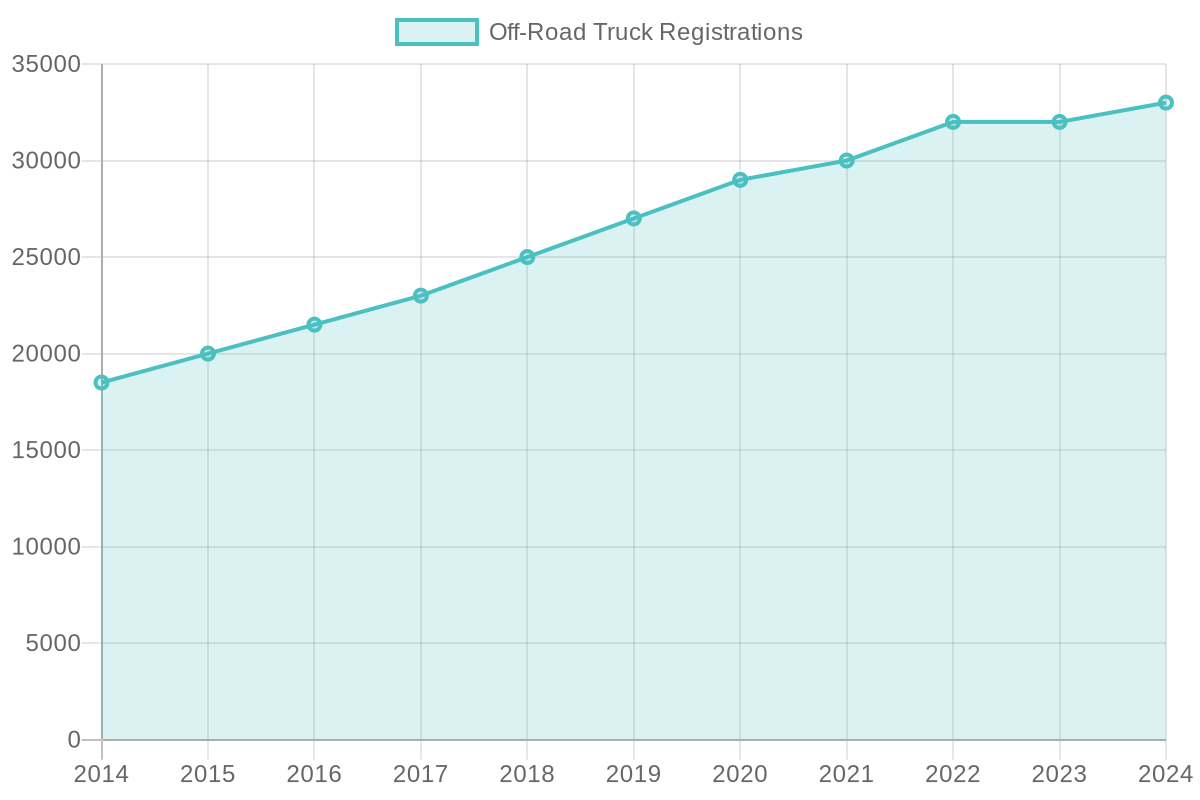
The chart above illustrates the growth of off-road truck registrations in Wisconsin over the last decade. The data clearly demonstrates a significant increase in interest from enthusiasts and the support from modifying shops.
Sales Data Overview
| Year | Off-Road Truck Registrations |
|---|---|
| 2014 | 18,500 |
| 2015 | 20,000 |
| 2016 | 21,500 |
| 2017 | 23,000 |
| 2018 | 25,000 |
| 2019 | 27,000 |
| 2020 | 29,000 |
| 2021 | 30,000 |
| 2022 | 32,000 |
| 2023 | 32,000 |
| 2024 | 33,000 |
Source: Wisconsin Department of Transportation (DOT) Vehicle Registration Data (2014-2024)
Conclusion: Embrace the Freedom of Off-Roading Responsibly
Understanding Wisconsin’s road laws for off-road trucks is crucial for every off-road enthusiast and adventurer. The thrill of traversing rugged terrains and exploring the uncharted is what drives your passion for these powerful machines. However, to keep the adventure alive while ensuring safety and compliance, it’s essential to be aware of the legalities surrounding off-road vehicles in the state.
Not only does adhering to road laws protect your investment, but it also ensures the happiness and safety of everyone you encounter on your journeys. Each region in Wisconsin may have unique regulations that could affect your off-roading experiences, from noise restrictions to permissible use areas. Being informed empowers you to navigate these laws confidently, maximizing your enjoyment while minimizing the risk of fines or penalties.
If you’re looking to optimize your off-road truck’s performance and appearance, now is the time to explore customization options that can take your adventures to the next level. Visit Summit Fairings to uncover a world of possibilities and enhance your off-road experience. Customize your machine today and make it a true reflection of your rugged spirit!