
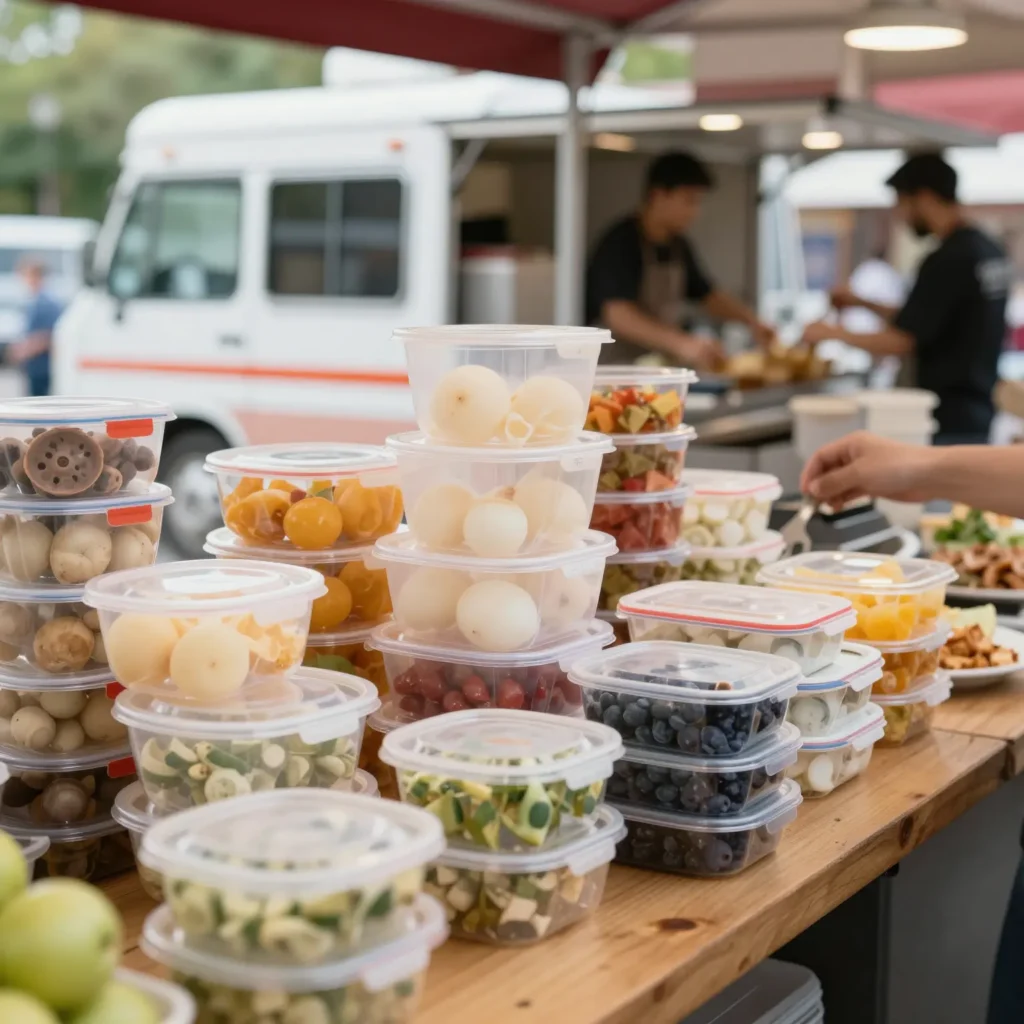
In the bustling world of food service, plastic food and drink containers are more than just packaging; they are vital components that drive customer satisfaction and operational efficiency. For bubble tea shops, restaurants, and food trucks, reliable and durable packaging solutions not only ensure that beverages and meals are presented beautifully but also maintain their integrity during transportation. With the increasing demand for convenience, consumers appreciate the ease of disposable tableware that does not compromise on quality. This is particularly crucial in a fast-paced environment where the right plastic food and drink containers can enhance the overall dining experience, reflecting a business’s commitment to quality and service. Using dependable packaging helps businesses reduce waste, streamline operations, and meet customer expectations for both aesthetics and functionality. With such significant benefits at hand, it’s clear that investing in the right packaging solutions is essential for anyone looking to thrive in the competitive food industry. Discover a range of options that suit your needs by checking out our packaging solutions and disposable tableware offerings.
Types of Plastic Containers for Food and Drinks
In the fast-paced world of food services, the choice of containers plays a crucial role in ensuring the quality and safety of the products served. Here’s an overview of various types of plastic containers commonly used for beverages, takeaway food, and catering services:
1. Beverage Containers
-
Plastic Cups
Features: -
Lightweight and shatterproof
-
Available in various sizes and designs
-
Options for lids and straws
Benefits:
-
Essential for beverage chains like bubble tea shops, ensuring a secure and hassle-free drinking experience.
-
Many are made from eco-friendly materials, reducing environmental impact.
-
Plastic Bottles
Features: -
Typically BPA-free, adhering to safety standards
-
Often designed for reuse or recycling
Benefits:
-
Ideal for juices, waters, and other beverages, maintaining freshness
-
Durability ensures that drinks do not leak during transport.
2. Takeaway Food Containers
-
Clamshell Containers
Features: -
Secure closure, preventing spills and leaks
-
Various sizes to accommodate different meal portions
Benefits:
-
Perfect for food trucks and catering, keeping food secure and maintaining its quality
-
Many clamshells are eco-friendly, made from recycled materials.
-
Food Storage Boxes
Features: -
Microwave and dishwasher-safe options available
-
Airtight seals to maintain freshness
Benefits:
-
Great for preparing meals ahead of time and for leftovers
-
Comply with safety standards to ensure food is stored safely.
3. Catering Containers
-
Multi-compartment Containers
Features: -
Segmented spaces for different food items
-
Designed for events and large gatherings
Benefits:
-
Provides an organized way to serve various dishes
-
Many options are designed for eco-conscious consumers, using biodegradable materials.
-
Serving Trays
Features: -
Available in different shapes and sizes
-
Often include heightened edges to prevent spills
Benefits:
-
Perfect for buffets and events, allowing for easy transport of food items
-
Durable options cater to high-volume catering needs.
Using the right type of plastic containers not only enhances the customer experience but also aligns with the growing demand for eco-friendly packaging solutions in the food service industry. To learn more about sustainable packaging options, check out this selection of eco-friendly products.
Additionally, you can explore different types of disposable dinnerware to suit your business needs.
These insights will help you select the most effective containers to enhance your service offerings while adhering to safety and environmental standards.
Comparing Different Plastic Food and Drink Containers
In the competitive world of food and drink service, choosing the right type of plastic container can significantly impact your brand image, customer satisfaction, and even environmental responsibility. Below, we present a table comparing various options for plastic food and drink containers, highlighting their features, capacities, eco-friendliness, and price ranges.
| Material Type | Capacity | Eco-Friendliness | Price Range |
|---|---|---|---|
| Polyethylene Terephthalate (PET) | 200ml – 1L | Recyclable; some uses in food-grade products | $0.10 – $0.50 per unit |
| High-Density Polyethylene (HDPE) | 500ml – 2L | Recyclable; less prone to chemical leaching | $0.05 – $0.30 per unit |
| Low-Density Polyethylene (LDPE) | 100ml – 1L | Less recyclable than PET; suitable for reuse | $0.02 – $0.20 per unit |
| Polypropylene (PP) | 200ml – 5L | Generally recyclable; used for microwave-safe containers | $0.10 – $0.40 per unit |
| Biodegradable Plastics | 300ml – 1.5L | Low impact; designed to decompose in soil | $0.30 – $1.00 per unit |
Additional Information
- Material Types: Different plastics serve various purposes. For instance, PP is often favored for hot liquids, while PET is typically safer for cold drinks.
- Eco-Friendliness: With growing awareness, many companies are moving towards biodegradable alternatives that lessen environmental impact.
- Price Range: Costs can vary based on the supplier, bulk purchasing options, and specific features like microwave and dishwasher safety.
By considering these features, you can better select the containers that suit your business needs and align with your environmental goals. For more on eco-friendly packaging options, check this resource.
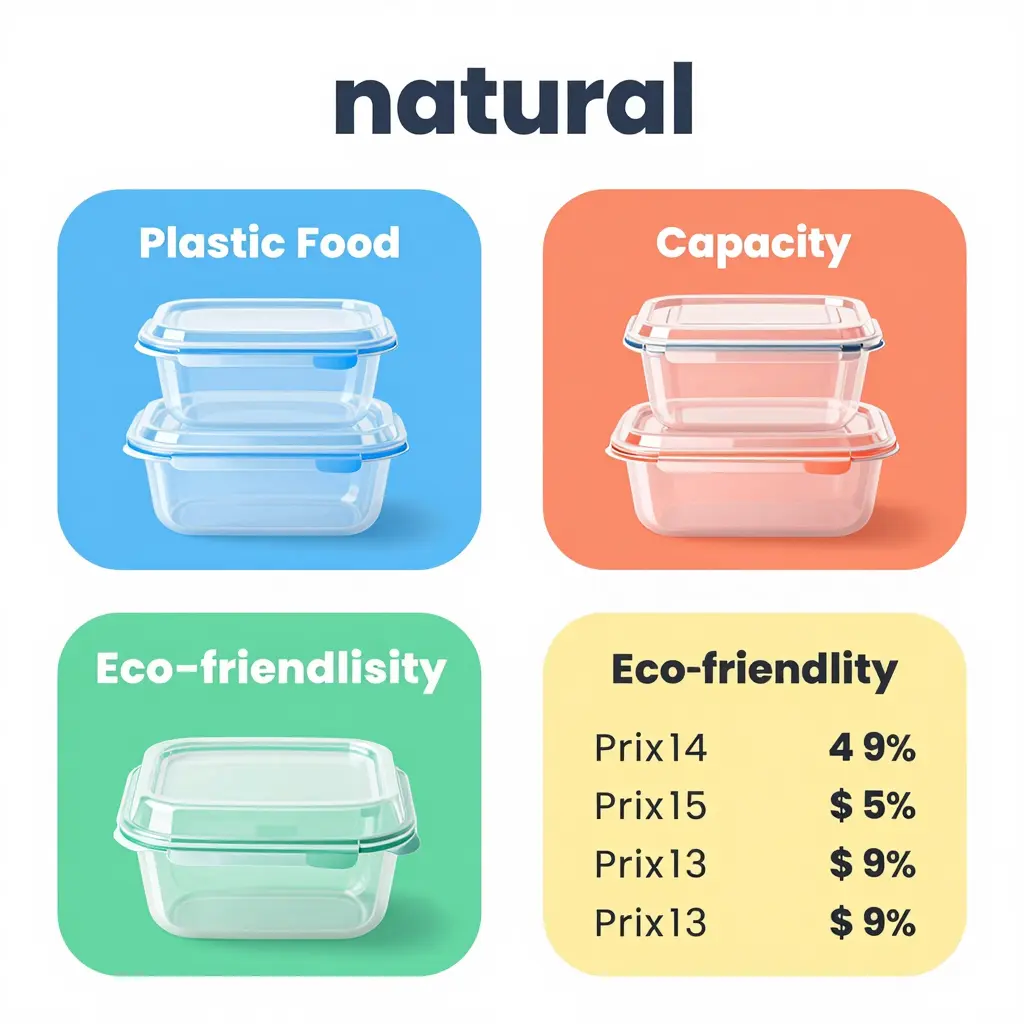
Ultimately, selecting the right container for your bubble tea shop, restaurant, or food truck can enhance your service, satisfy customers, and contribute to sustainability efforts.
Safety Standards for Plastic Food Containers
In the ever-evolving food industry, ensuring the safety of consumers is paramount, and this starts with the materials we use to store and serve food. Safety standards for plastic food containers, such as those outlined by the Food and Drug Administration (FDA) and the European Food Safety Authority (EFSA), are critical to preventing contamination and safeguarding public health. These regulations ensure that materials are tested rigorously for their safety, chemical stability, and suitability for contact with food.
For instance, the FDA has established guidelines regarding food contact substances (FCS), requiring that any plastic container that comes into contact with food must be manufactured from materials that are approved for such use. This includes limits on harmful substances that may leach into food or beverages. Similarly, the EFSA’s framework mandates strict testing on potential substances of concern in food packaging materials to maintain high safety standards in Europe.
By adhering to these safety standards, manufacturers can ensure that their products do not negatively affect the quality or safety of the food they contain. It provides reassurance to foodservice operators, like bubble tea shops, restaurants, and catering services, that they are using reliable and compliant packaging. At Cofe Cup, we take pride in offering plastic food and drink containers that meet or exceed these safety standards, ensuring your products remain safe, fresh, and delicious. The confidence that comes from using properly regulated food containers cannot be overstated, allowing businesses to focus on delivering delightful experiences to their customers with peace of mind.
Market Trends in Plastic Food and Drink Containers
In recent years, the food service industry has experienced a notable shift concerning plastic food and drink containers. With changing consumer preferences and increased environmental consciousness, businesses are compelled to adapt their packaging strategies accordingly.
Key Trends and Statistics
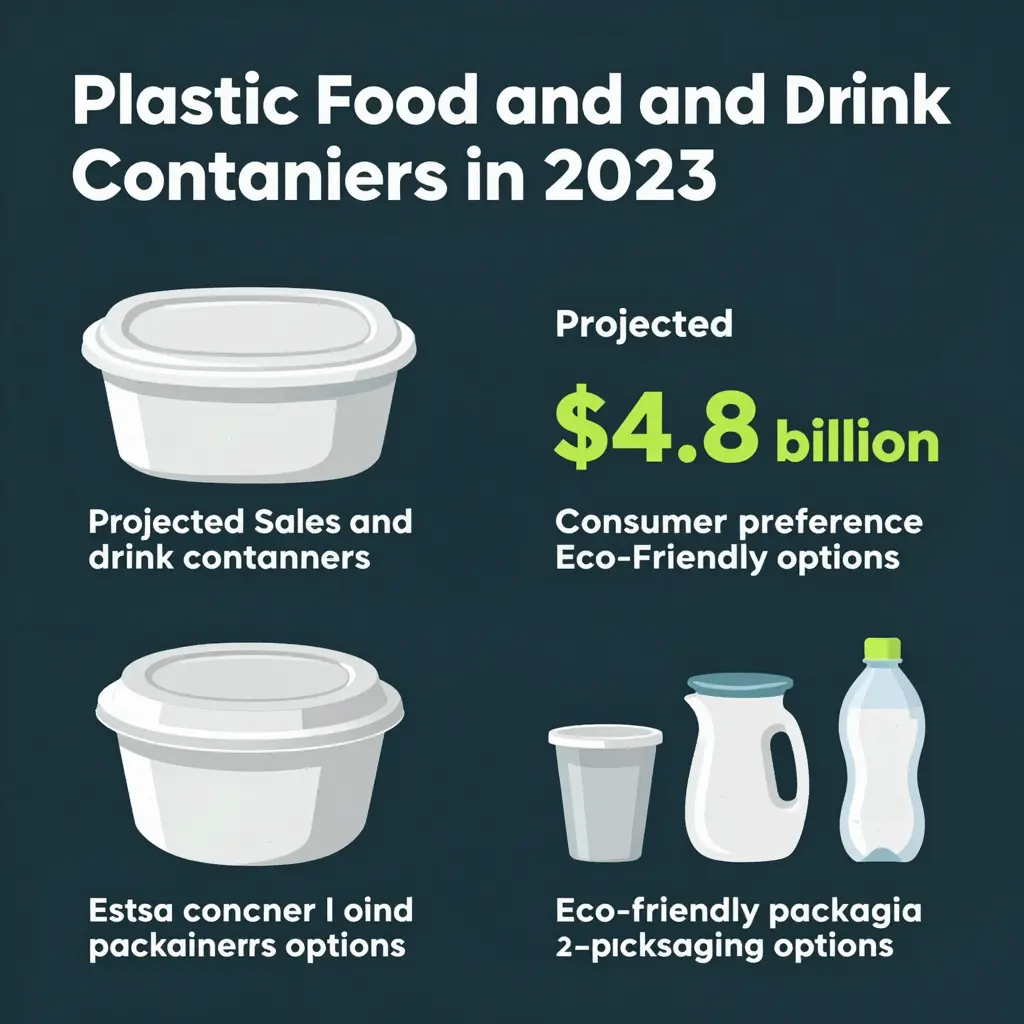
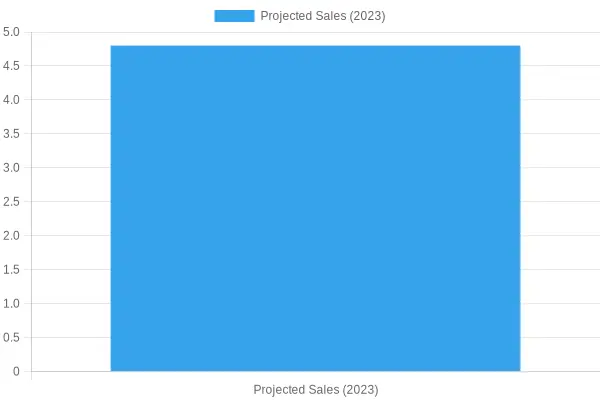
- Projected Market Growth: According to industry estimates, disposable food container sales in the United States are expected to surpass $4.8 billion in 2023. This substantial growth reflects the broader trend of convenience dining and the rising demand for takeout and delivery services, which have become staples for consumers globally.
- Eco-Friendly Options: A 2023 market report indicated that approximately 70% of consumers prefer eco-friendly packaging. This preference is driving brands to diversify their offerings, with a projected Compound Annual Growth Rate (CAGR) of 5.6% from 2023 to 2028 for sustainable packaging solutions. The demand is focused on biodegradable and compostable containers, reflecting a shift away from traditional plastic materials.
- Consumer Behavior: Insights from a consumer survey showed that eco-friendliness significantly influences purchasing decisions, marking a definitive trend towards sustainability in customer expectations. Consumers are becoming more discerning, not only regarding their food choices but also in the packaging that accompanies these products. Many are willing to pay a premium for brands that demonstrate a commitment to sustainable practices, which is crucial for businesses in the food service sector.
Insights and Opportunities
The transition towards eco-friendly packaging options presents various opportunities for businesses targeting bubble tea shops, restaurants, food trucks, and catering services. Adopting plastic food and drink containers made from sustainable materials can enhance brand reputation and loyalty among environmentally conscious consumers. Businesses must stay informed on emerging trends and adjust their product lines to include eco-friendly packaging options, such as biodegradable containers and recyclable cups.
Visual Representation
For your reference, here is a bar chart displaying the projected sales for 2023:
Conclusion
As the market for plastic food and drink containers continues to evolve, food service businesses must embrace these trends to remain competitive. By focusing on eco-friendly options and understanding consumer preferences, a shift towards sustainable practices can lead to increased customer satisfaction and robust market growth.
“Their customer service and quality are amazing, and their ability to expedite any last minute requests is what puts them ahead in a competitive market.”
- Corey Quick, Purchasing Manager, Quanex Building Products
Conclusion
Plastic food and drink containers have become ubiquitous in modern dining and catering, especially for businesses such as bubble tea shops, restaurants, food trucks, and corporate events. They offer key advantages like durability, lightweight convenience, and food-grade safety, making them a practical choice for storing and serving a variety of beverages and dishes. With the industry constantly evolving, it’s crucial to balance the benefits of plastic with awareness of its environmental impact and potential health concerns.
As seen, while plastic containers are efficient and economical, they also carry disadvantages such as environmental pollution and health risks from chemical leaching. It is essential for food service providers to stay informed about their options and make sustainable choices.
At Cofe Cup, we are committed to supporting your business with our reliable disposable tableware and packaging solutions. Explore our range of packaging options designed to meet your needs while ensuring quality and safety.
Don’t hesitate to reach out for a tailored quote to find out how we can help elevate your food service experience!
In the current landscape of food and beverage packaging, eco-friendly practices in plastic containers are rapidly gaining traction. Businesses are increasingly opting for materials that reflect a commitment to sustainability, such as biodegradable and recyclable options. With growing environmental awareness among consumers, companies are recognizing that these eco-friendly choices not only benefit the planet but also enhance their brand image, drive customer loyalty, and reduce operational costs. For instance, switching to biodegradable plastic products can help divert waste from landfills, as these materials can break down more efficiently compared to traditional plastics.
The trend towards adopting biodegradable polymers is not merely a fleeting fad; it represents a substantial shift within the industry as producers seek to mitigate the environmental impact of their packaging. Products made from these materials are not only versatile, catering to various applications in food service and drink packaging, but they are also positioned to meet the stringent regulations and consumer demand for sustainable practices. Moreover, the market for these solutions is expected to grow significantly, an indication that businesses embracing these trends will likely see a competitive advantage in the near future. For businesses looking to revamp their packaging solutions, exploring options in biodegradable and recyclable materials could offer viable pathways to more sustainable operations while appealing to eco-conscious consumers. As more beverage chains and food establishments adopt these eco-friendly practices, they contribute positively to environmental preservation while reinforcing their commitment to social responsibility.
This transition also prompts companies to rethink their supply chain strategies, as sourcing sustainable materials can foster innovation and potentially lower costs in the long run. By aligning with these eco-friendly trends, businesses not only ensure compliance with evolving regulations but also boost their reputation as leaders in responsible practices within the food and beverage industry. In this light, the future of packaging seems promising, driven by consumer preferences towards sustainability and a collective hope for environmental stewardship.
Growth in Plastic Food and Drink Container Usage
The usage of plastic food and drink containers has grown significantly over the past five years. This increase can be attributed to factors such as rising consumer demand, the affordability of plastics, and ongoing innovations in packaging technologies. Given the current trends, industry experts predict that this growth will continue, although it is accompanied by increasing scrutiny regarding environmental impact.
Key Statistics
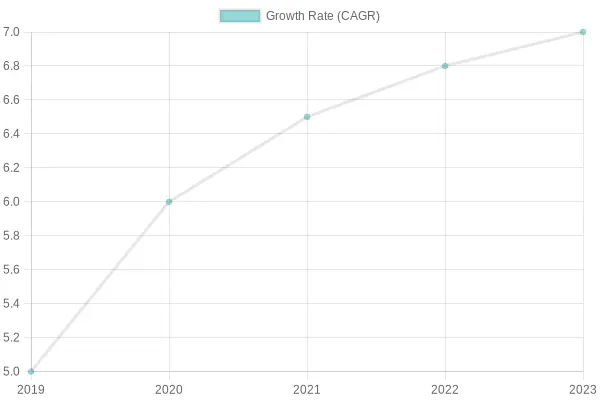
The compound annual growth rate (CAGR) for plastic food and drink containers over the past five years has been notable, as shown in the chart below:
| Year | Growth Rate (CAGR) |
|---|---|
| 2019 | 5% |
| 2020 | 6% |
| 2021 | 6.5% |
| 2022 | 6.8% |
| 2023 | 7% |
This chart reflects a steady increase in usage, with the growth rates slightly accelerating each year from 2019 to 2023. Such trends suggest that businesses in the beverage and food sectors need to be aware of both the advantages and the environmental concerns associated with plastic containers.
Implications for Your Business
As the market for plastic food and drink containers continues to expand, bubble tea shops, restaurants, and catering services should consider strategies that promote sustainability while meeting customer demands. Companies might explore alternatives in packaging materials without compromising on quality or cost-effectiveness. For more options, check out our offerings in plastic packaging and disposable drinkware.