
Introduction
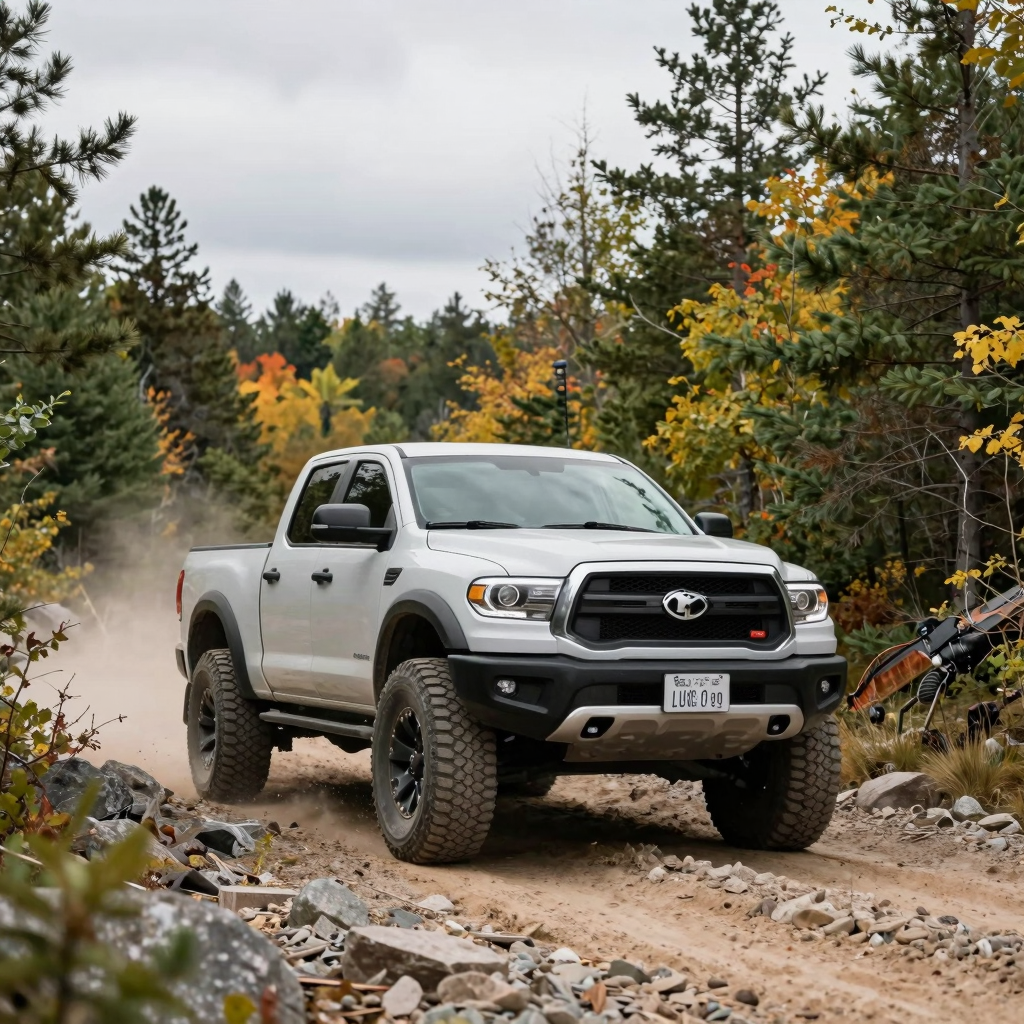
Off-road adventures offer the thrill of traversing rugged terrains that challenge both man and machine. Picture yourself gripping the steering wheel of a powerful truck as you navigate through muddy trails, rocky paths, and wild landscapes, feeling the rush of adrenaline with every twist and turn. This is where true freedom lies-away from the constraints of paved roads, surrounded by nature and the promise of discovery. However, before you rev up that engine and unleash the beast within your off-road truck, it’s crucial to know how to register an off-road truck in your region.
Proper registration is not just a bureaucratic task; it ensures your vehicle is legal, safe, and ready for whatever the great outdoors throws your way. The process may seem daunting at first, but understanding its importance helps you embrace the spirit of adventure without worrying about compliance. As an adventurer, you deserve to focus on the ride, the scenery, and the camaraderie with fellow enthusiasts. So gear up and let’s dive into the essential steps to register your off-road truck, setting the stage for countless unforgettable journeys ahead.
Key Requirements for Off-Road Truck Registration in Ontario
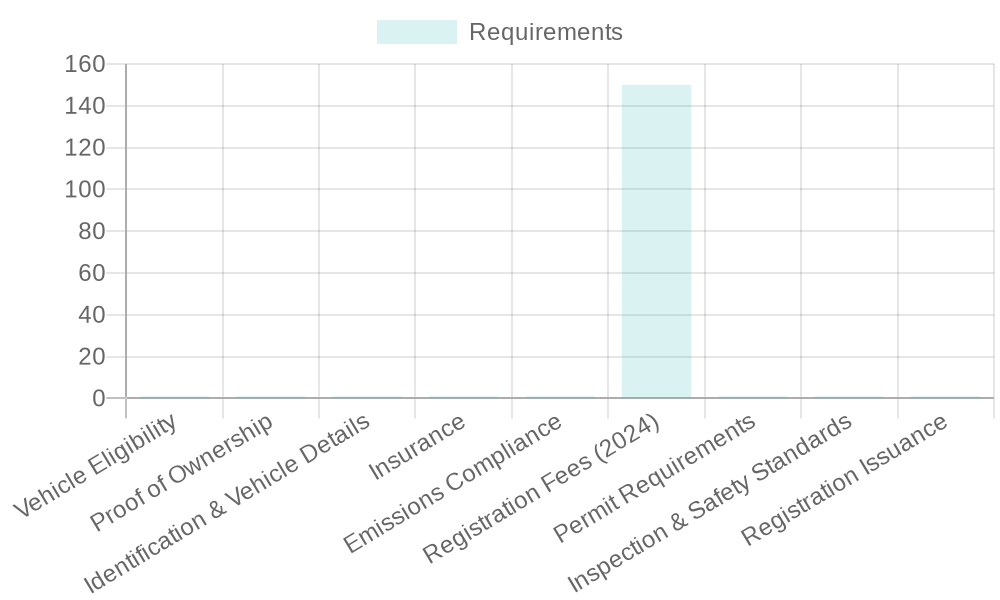
If you’re an off-road enthusiast ready to hit the trails in Ontario, registering your off-road truck is crucial. Here’s a detailed list of essential prerequisites you need to fulfill:
- Vehicle Eligibility: The truck must be registered specifically as a non-highway vehicle. It cannot be operated on public roads unless compliant with safety and emission standards.
- Proof of Ownership: You’ll need to present a Bill of Sale or Manufacturer’s Certificate of Origin to verify ownership legally.
- Identification & Vehicle Details: Essential vehicle info must be provided, including VIN (Vehicle Identification Number), make, model, year, and engine size.
- Insurance: A proof of third-party liability insurance is mandatory, covering a minimum of $200,000 as per Ontario regulations.
- Emissions Compliance: Your vehicle must meet Ontario’s emissions standards. If it doesn’t, it may be disqualified from registration.
- Registration Fees (2024): There’s a $150 CAD fee for a one-year registration, with possible additional fees for special plates.
- Permit Requirements: If planning to use public lands, you may need a specific permit from the Ministry of Natural Resources and Forestry (MNRF).
- Inspection & Safety Standards: While no formal inspection is mandated, your vehicle must be deemed safe; defective vehicles can lead to penalties.
- Registration Issuance: Registration is processed through ServiceOntario or an authorized agent and is valid for one year.
These requirements ensure that you can enjoy your off-road adventures safely and legally. For detailed steps on off-road vehicle operation, check this guide on Ontario’s official website. A visual representation of these requirements is shown in the chart below:
Whether you’re heading out for recreational use or competitive off-roading, understanding these requirements is part of the adventure!
Step-by-Step Registration Process for Off-Road Trucks in Oregon
Registering an off-road truck in Oregon can seem daunting at first glance, but the process is quite straightforward once you know the steps involved. Here’s a rugged guide to help you through the registration process like a seasoned off-road adventurer.
Step 1: Gather Your Paperwork
Before you make the journey to registration, ensure you have all necessary documents at hand. This typically includes:
- Bill of Sale: Proof of purchase for your truck.
- Certificate of Origin: If your truck is new, this document verifies its origin.
- Out-of-State Registration: If your off-road truck was previously registered in another state, include this information.
For more details, check out the Oregon DMV’s registration requirements.
Step 2: Visit Your Local DMV or Licensing Office
In Oregon, the registration for off-road vehicles is handled at your local Department of Motor Vehicles (DMV). If you’re unsure where the nearest office is, you can find that information on their official website. Most locations have friendly staff ready to assist first-timers.
Step 3: Complete the Application
You will need to fill out an application form for vehicle registration. Although off-road trucks may not require a title or registration strictly if used solely off-road, it is recommended to register to avoid potential legal issues, especially if you plan to take your truck on public land.
Step 4: Pay the Fees
The registration fee is minimal for off-road vehicles. As a best practice, keep extra cash or a credit/debit card on hand. The fees may vary by county, so check with your local office for the exact amount.
Step 5: Obtain Your Permit (if required)
Depending on where you intend to operate your truck, you may need an Off-Highway Vehicle (OHV) permit. This is especially true if you plan to explore specific public lands or trails. It typically costs around $10 and is valid for two years. For specifics, see the Oregon Parks and Recreation ATV permit details.
Pro Tips for First-Time Registrants
- Verify VIN: Always double-check your Vehicle Identification Number (VIN) against the documents to avoid any mismatches.
- Ask Questions: Don’t hesitate to seek help from DMV staff if you’re unsure about any step in the registration process.
- Check for Changes: Laws and requirements can change, so keep updated on registration laws in Oregon.
Following these steps will have your off-road truck on the trails in no time, ready for the thrilling adventures that await. Happy off-roading!
When it comes to registering off-road trucks, enthusiasts often share their journeys filled with both challenges and triumphs. Insights from online forums, blogs, and community discussions reveal a plethora of common themes that potential off-road vehicle owners can learn from.
Common Challenges in Registration
-
Bureaucratic Hurdles:
Many users express frustration over various bureaucratic processes involved in registration. In a discussion on the TW200 Forum, a participant highlighted the annoyance of managing annual decal requirements for off-highway vehicles. -
Documentation Requirements:
The legalities surrounding off-road vehicle registration can be complex. Posts within a popular Facebook Group shed light on the concerns regarding necessary documentation for vehicles registered for on-road versus off-road use. This ambiguity often leads to confusion among users. -
Service Delays:
In communities discussing services like ‘Dirt Legal’, users have aired their grievances regarding long wait times and unresponsive customer service. A Reddit thread captures this ongoing frustration, showing that while many seek to simplify the registration process, the service does not always meet expectations (Reddit – Supermoto).
Success Stories and Advice
Despite the challenges, there are also stories of success and advice for navigating the registration process:
-
Research Local Regulations: One group of seasoned enthusiasts advises newcomers to thoroughly research local registration requirements before purchasing a vehicle. This proactive approach can save time and prevent future headaches.
-
Community Guidance: Forums like Castanet’s Discussion Forum serve as spaces for users to share their experiences and advice. Participants offer tips about which forms to prioritize and how to effectively follow up with registration offices.
-
Utilize Forums: Engaging with fellow off-road enthusiasts can provide practical insights. Many users recommend tapping into community knowledgebases to learn from others’ experiences, particularly when it comes to overcoming specific obstacles.
Conclusion
Registering an off-road truck can be a rugged journey, fraught with twists and turns akin to the trails these vehicles traverse. However, by leaning into community insights, understanding legalities, and being prepared to face bureaucratic challenges, prospective owners can pave a smoother path for themselves. The collective wisdom of seasoned adventurers not only highlights potential pain points but also sheds light on the satisfaction that comes after successfully navigating the registration process. For those eager to embrace off-road adventures, the key is in preparation and community support.
For further insights, consider visiting Dirt and Trucks for a deeper dive into truck features and innovations.
Quote on the Importance of Registration
“Registration is not just a legal formality-it’s a commitment to safety and accountability in our off-road adventures. When we register our vehicles, we’re not only protecting our assets but also supporting the community we love.” – [Off-Road Enthusiast Name]
This quote resonates with all off-road enthusiasts, reminding us that vehicle registration is crucial not only for compliance but also for ensuring safety and security within our adventurous community.
Comparison of Off-Road Truck Registration Options
| Registration Option | Timeline | Cost | Benefits |
|---|---|---|---|
| Standard Registration | 2-4 weeks | $200-$500 | Legal access to roads, insurance eligibility |
| Temporary Registration | Same day | $50-$150 | Immediate off-road use, short-term coverage |
| Special Use Registration | 1-3 weeks | $300-$800 | Access to specific trails/events, usually for racing |
| Limited Use Registration | 1-2 weeks | $100-$300 | Reduced fees, specific guidelines, off-highway use only |
Notes:
- Standard Registration: Ideal for general use, ensuring you can drive legally on public roads.
- Temporary Registration: Perfect for those needing a quick solution for events or temporary off-road activities.
- Special Use Registration: Tailored for racers or enthusiasts attending specific events.
- Limited Use Registration: Suitable for agricultural or other specific uses, emphasizing lower costs and regulations.
This table offers a general overview. Always check with local regulations and requirements for the most accurate and up-to-date information. For more insights on managing your off-road needs, you can learn more about must-have features of dispatching software or explore the benefits of PEOs for trucking payroll management.
When embarking on the journey of customizing or modifying off-road vehicles, it’s crucial to consider how these enhancements can affect your truck’s registration process. As passionate adventurers, off-road enthusiasts often seek to boost their vehicles’ performance and aesthetic appeal. However, certain modifications can lead to complications if not properly managed.
Understanding Registration Implications
Custom modifications-such as lift kits, enhanced suspensions, or altered exhaust systems-may warrant a reassessment of your vehicle’s registration status. Here are key considerations to keep in mind:
-
Legal Compliance: Each region has specific laws governing vehicle modifications. Ensure that any changes comply with local regulations to avoid penalties. Certain modifications might require updated documentation or even a new inspection from regulatory bodies. For instance, in some areas, modifications that change the vehicle’s classification (e.g., from street-legal to off-road only) could necessitate registration as an Off-Highway Vehicle (OHV).
-
Insurance Impact: Upgrading your vehicle often has insurance implications. Modified vehicles can sometimes be viewed as higher risk, potentially leading to increased premiums. It’s essential to inform your insurance provider about modifications to ensure coverage remains intact. For costly enhancements, consider consulting your insurance agent for advice on how to protect your investment effectively. As noted by Dirt Legal, unreported modifications can lead to claims being denied.
Actionable Tips for Off-Road Vehicle Owners
When considering modifications, adhere to the following guidelines:
-
Research Local Laws: Familiarize yourself with the rules and regulations regarding vehicle modifications in your state. This can prevent potential issues during registration. Websites like OneMotoring provide detailed guidelines based on local transport authority requirements.
-
Consult Experts: Seek advice from certified mechanics or modification shops familiar with off-road regulations. They can help you understand what changes require permits or adjustments in registration.
-
Document Everything: Keep thorough records of all modifications made, including receipts, installation details, and any inspections performed. This documentation will be essential in case of future registration challenges or claims.
-
Plan Ahead: If your modifications are significant, such as altering the drivetrain or converting to larger tires, consider the long-term implications on registration and resale value. Some modifications may be seen positively, while others can lead to complications or decreased vehicle value.
Conclusion
Enhancing your off-road vehicle can be a thrilling experience, but it comes with responsibilities, especially concerning registration and compliance. Equip yourself with knowledge and resources, and enjoy the ride with clarity and confidence. For further guidance, check out resources like Landace which outline permissible off-road modifications.
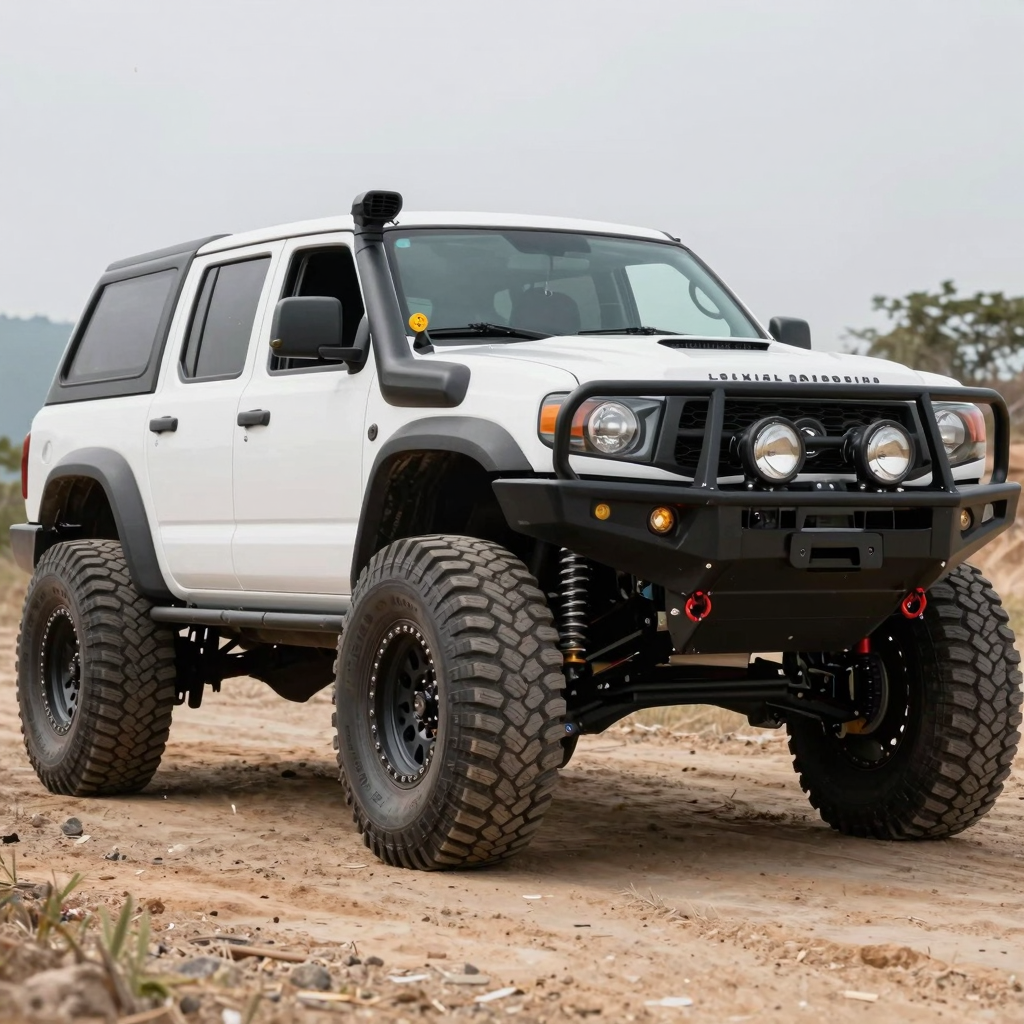
By maintaining awareness of how modifications impact registration, off-road enthusiasts can fully enjoy their journey while remaining within legal bounds.
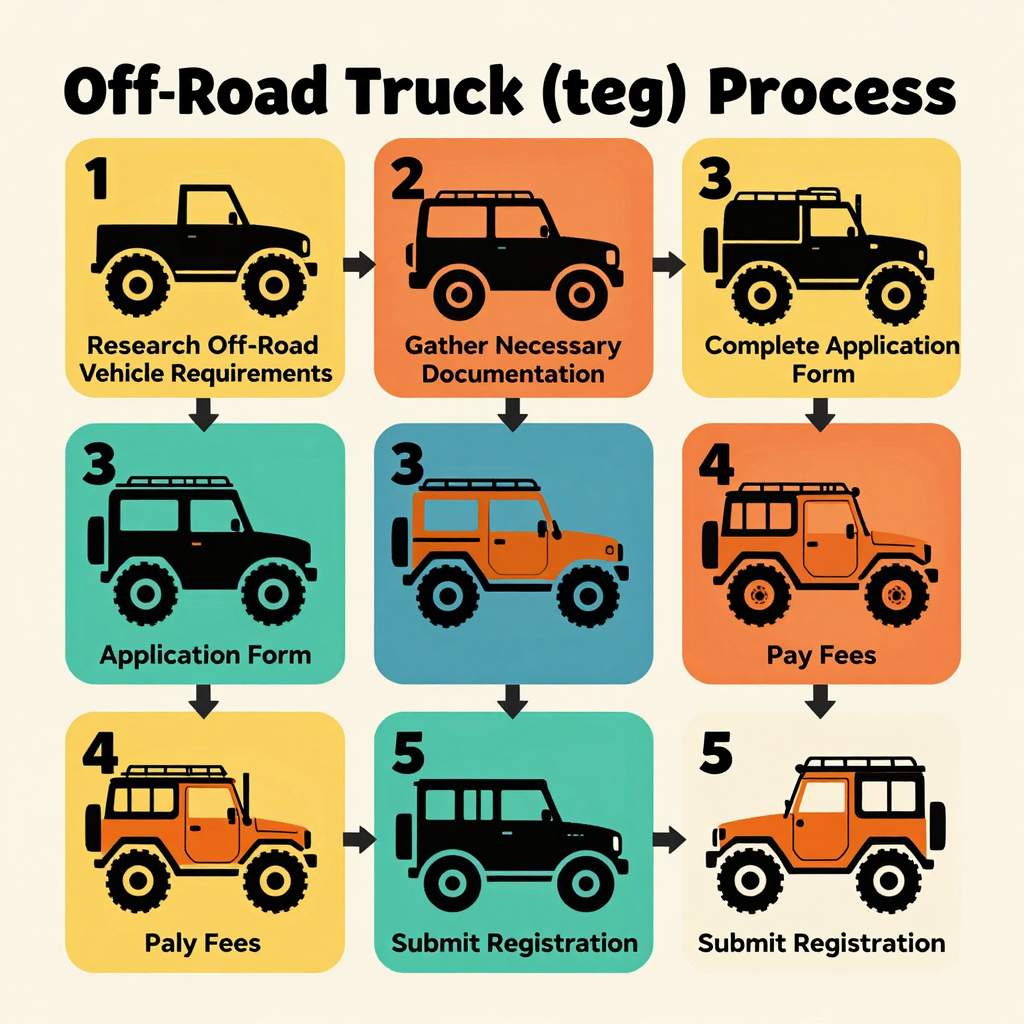
This infographic provides a clear visual representation of the steps needed to register an off-road truck, catering to the needs of off-road enthusiasts and adventurers. Each step is illustrated, making the registration process easy to understand and follow.
The steps outlined include:
- Research Off-Road Vehicle Requirements
- Gather Necessary Documentation
- Complete Application Form
- Pay Fees
- Submit Registration
Designed to resonate with adventurers and the rugged spirit of off-road enthusiasts, this infographic serves as a quick reference for anyone looking to navigate the registration process efficiently.
Conclusion
In the exhilarating world of off-road adventures, registering your off-road truck is not just a formality; it’s a necessity. It ensures that you can enjoy your rugged pursuits with peace of mind, knowing that you are legally compliant and protected on the trails. From guaranteeing your rights as a vehicle owner to enhancing your eligibility for specialized insurance and access to exclusive off-road parks, the benefits of registration create a more enjoyable and responsible off-roading experience.
Every off-road enthusiast should register their vehicle, not just to adhere to local regulations, but also to signify a commitment to safe and thrilling adventures. Picture this: cruising along a rocky trail, your custom truck-now officially registered-turning heads as it overcomes nature’s most challenging terrains.
But don’t stop at registration! This is the perfect time to customize your truck further. Check out Summit Fairings for cutting-edge fairings that enhance performance and style. By investing in high-quality, custom fairings, you not only increase your truck’s rugged appeal but also its functionality, allowing for an even more thrilling ride. So, as you prepare to hit the trails, ensure your truck stands out and performs at its best. Register your off-road truck today, and let your adventurous spirit roam free!
Embrace the freedom of off-roading with confidence-get registered, get customized, and get ready to blaze your own trail!