
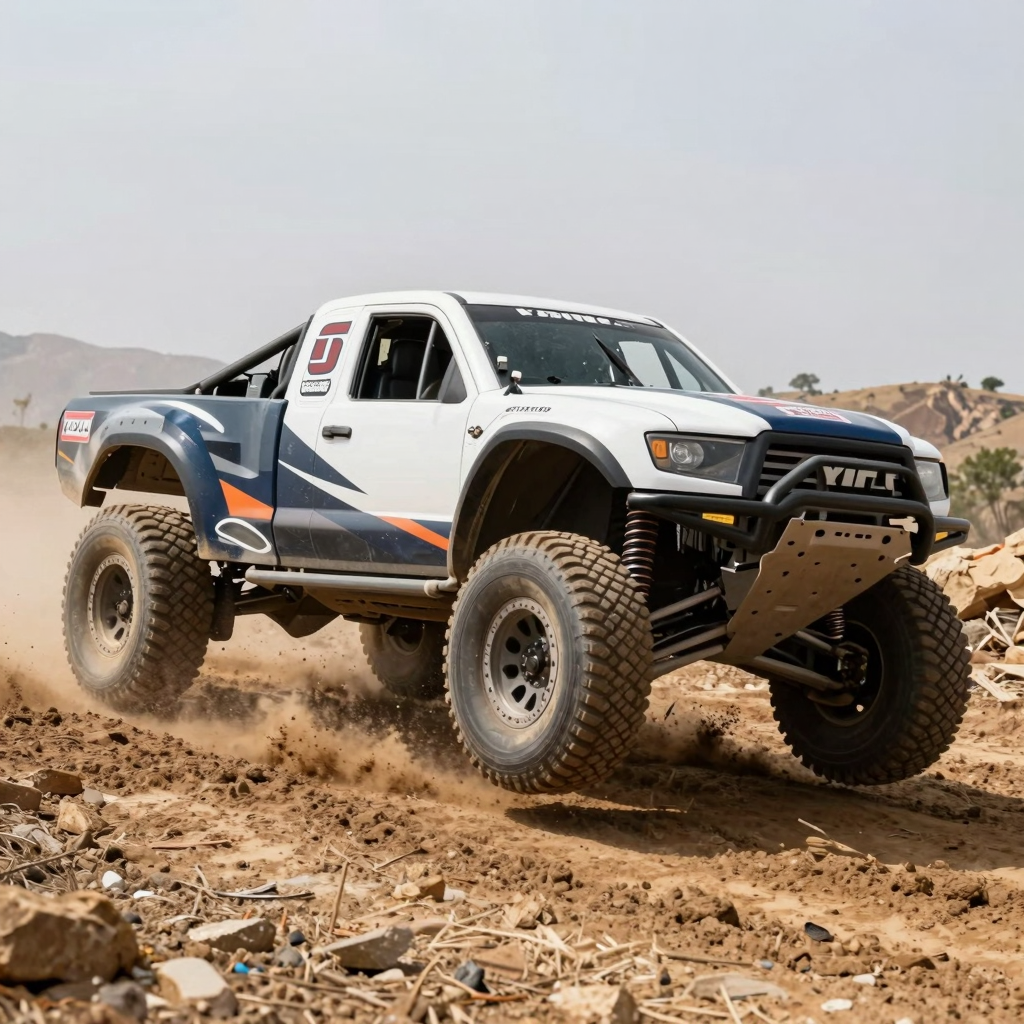
Welcome to the Thrilling World of Off-Road Truck Racing
If you crave the roar of engines and the thrill of conquering rugged terrain, then off-road truck racing is your ultimate adventure. Picture this: massive trucks designed to tackle dirt, mud, and rocky trails, from the unforgiving deserts to the lush forests. Off-road truck racing is more than just a sport; it’s a heart-pounding experience that juxtaposes raw horsepower with the spirit of exploration.
With every race, competitors push their limits, navigating obstacles that would leave ordinary vehicles stuck and stranded. The adrenaline rush of flying over jumps, the skill required to maneuver through tight bends, and the camaraderie built among fellow racers create a unique atmosphere that draws enthusiasts from all walks of life. Whether you’re a novice with a passion or a seasoned veteran looking for your next challenge, getting into off-road truck racing promises both excitement and chance for growth.
As we embark on this journey together, we’ll delve into what it takes to join this exhilarating world. From understanding the essential truck modifications to navigating the competitive landscape, we’ve got you covered. Join us as we explore how to embrace this adventurous lifestyle and unleash your inner racer! For more on modifying your vehicle for optimal performance, check out our guide on must-have features for off-road trucks.
Now, buckle up and prepare for an unforgettable ride!
The Basics of Off-Road Truck Racing
Off-road truck racing unites speed, skill, and sheer adrenaline, capturing the hearts of enthusiasts across the globe. This exhilarating motorsport features various types of races, each with unique challenges and specialized vehicles, designed for extreme conditions.
Types of Races
Off-road racing is segmented into several distinct formats, including:
- Desert Racing: Events like the Baja 1000 and Dakar Rally challenge competitors across vast deserts, showcasing endurance and speed.
- Short-Course Racing: Races on defined tracks with obstacles, jumps, and hairpin turns appeal to those craving fast-paced competitions. Series like the Lucas Oil Off Road Racing Series showcase this type.
- Rock Crawling: A test of technical driving, featuring vehicles navigating over boulders and steep terrain.
- Mud Bogging: Emphasizes power as vehicles race through deep mud, a true test of engineering and driver skill.
Vehicles Involved
The types of vehicles used in off-road truck racing are designed to withstand and excel in harsh conditions. Key categories include:
- Short Course Trucks: Crafted for agility and acceleration, built on 4×4 or 6×6 platforms with powerful engines and advanced suspension systems.
- Long Course Trucks: Endurance races necessitate robust vehicles tailored for long miles, with heavy-duty suspensions and large fuel tanks.
- Pro-Stock Trucks: Derived from production models, these trucks are modified for enhanced performance, featuring high-output engines and custom roll cages.
- SUVs and Light Trucks: Often used in amateur events, with modifications for enhanced capabilities on rough terrain.
The Exhilarating Environment
Off-road racing often takes place in awe-inspiring natural settings, from scorching desert landscapes to lush forests and rugged mountain trails. Drivers face unpredictable terrains-muddy bogs, steep inclines, and shifting sands-all of which require precise control and quick decision-making. The thrill of competing in such environments has drawn a surge of interest, leading to a 35% rise in global participation since 2020, with about 15,000 fans attending major events annually.
Not only do these events deliver sensational action for spectators, but they also foster a strong community among participants and fans. Learn more about off-road vehicle modifications and how they significantly enhance race performance.
With an average race speed exceeding 60 mph on rugged terrain, off-road truck racing is not just a sport; it’s a lifestyle. Embrace the thrill and consider getting involved in this electrifying world of motorsports!
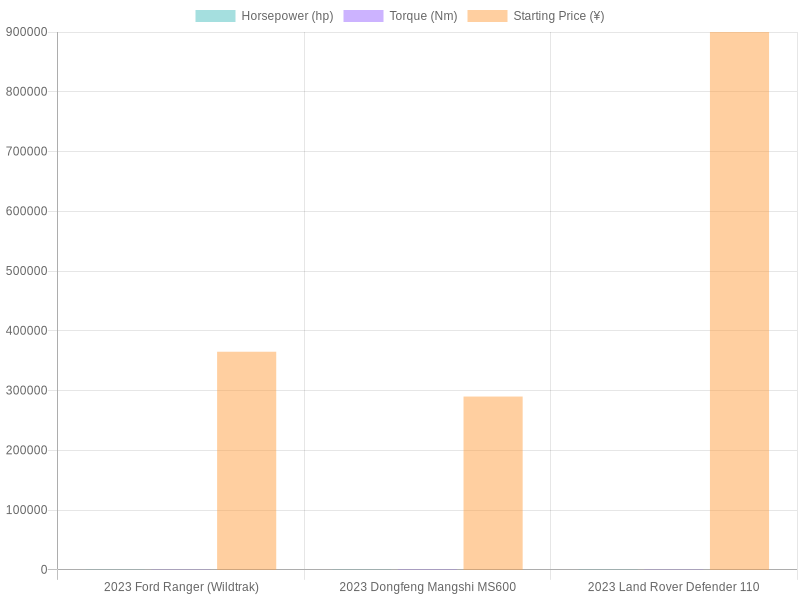
Off-Road Truck Models Comparison Chart
The following chart showcases some of the most renowned truck models used in off-road racing. It highlights their specifications, pricing, and performance features for enthusiasts looking to get into the rugged world of off-road truck racing.
| Feature | 2023 Ford Ranger (Wildtrak) | 2023 Dongfeng Mangshi MS600 | 2023 Land Rover Defender 110 |
|---|---|---|---|
| Engine | 3.0L V6 Bi-Turbo Diesel | 3.0L I6 Turbo Diesel | 3.0L V6 Supercharged Petrol / 3.0L V6 Turbo Diesel |
| Horsepower | 258 hp | 350 hp | 395 hp (Petrol), 340 hp (Diesel) |
| Torque | 570 Nm | 700 Nm | 550 Nm (Petrol), 700 Nm (Diesel) |
| Transmission | 10-speed Automatic | 8-speed Automatic | 8-speed Automatic |
| Drive System | 4×4 (Part-time with Locking Differentials) | 4×4 (Full-time with Locking Differentials) | 4×4 (Full-time with Terrain Response 2) |
| Ground Clearance | 291 mm | 300 mm | 291 mm |
| Approach/Departure Angle | 31° / 25° | 35° / 35° | 35° / 37° |
| Wading Depth | 800 mm | 800 mm | 900 mm |
| Towing Capacity | 3,500 kg | 3,000 kg | 3,500 kg (Petrol), 3,500 kg (Diesel) |
| Fuel Type | Diesel | Diesel | Petrol/Diesel |
| Emission Standard | Euro 6 | Euro 6 | Euro 6 |
| Starting Price (China) | ¥320,000 – ¥410,000 | ¥260,000 – ¥320,000 | ¥700,000 – ¥1,100,000 |
Source: Ford China Official Website, Dongfeng Mangshi Official Website, Land Rover China Official Website (Data retrieved on May 5, 2026).
Essential Safety Gear for Off-Road Truck Racing
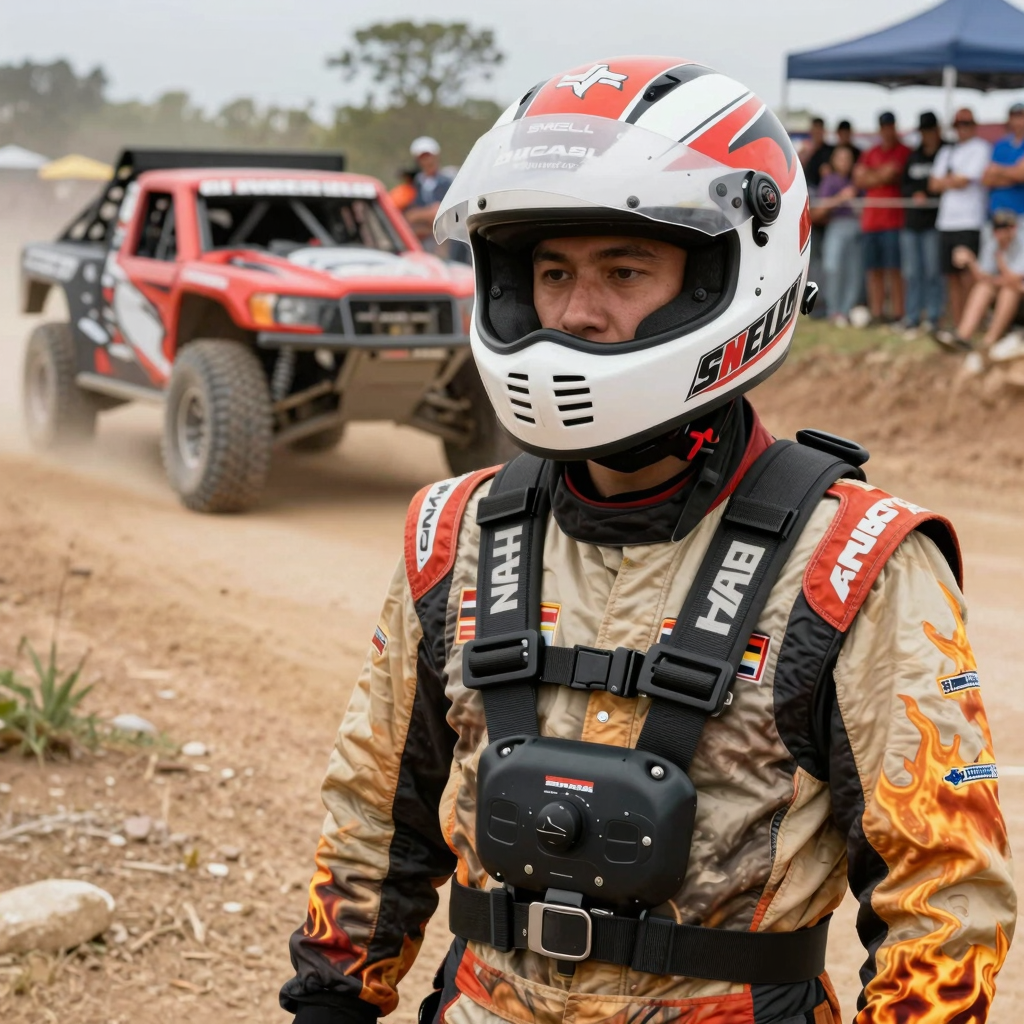
Off-road truck racing is an exhilarating sport that combines speed, skill, and the thrill of navigating rugged terrains. However, safety must be the primary concern for every racer and their crew. Proper safety gear can significantly reduce the risk of injury and enhance performance. Here’s an overview of the essential safety gear required for off-road truck racing:
1. Racing Helmet
A Snell-approved racing helmet (preferably with an SA or SA2020 rating) is crucial. It provides essential head protection during high-speed races or in case of an accident. Look for models designed specifically for off-road conditions, which often come with enhanced ventilation and visor options.
2. Harness System
An effective five-point or six-point harness system is non-negotiable. These harnesses keep drivers securely in their seats, preventing ejection during rollovers. Ensure the harness is SFI 16.1 certified, which guarantees it meets stringent safety standards.
3. Fire-Resistant Race Suit
A fire-resistant race suit is essential for protecting your skin from flames and heat. Look for suits rated SFI 3.2A/1 or SFI 3.3A/1. These suits are designed to withstand extreme conditions, minimizing injury risk during accidents where vehicle fires can occur.
4. HANS Device
A Head and Neck Support (HANS) device significantly reduces the risk of head and neck injuries in crashes. This device should be worn in conjunction with your helmet and is required for all off-road racing in most regulations.
5. Roll Cage and Safety Systems
Your vehicle must be equipped with a properly installed roll cage following SFI standards. This structure helps protect the driver in case of flips or rolls. Additionally, a functional fire suppression system can provide added safety against fires that may arise from fuel leaks or collisions.
6. Racing Seats
Investing in a high-quality racing seat that offers adequate lateral support is essential for maintaining control during the race. These seats help secure the driver in place, especially when dealing with rough terrains and sharp turns.
Ensuring you have the right safety gear is paramount in off-road truck racing. For a comprehensive understanding and regulations, check out the SFI Foundation’s safety standards. Engaging in race events means adhering to these safety practices to protect not only yourself but also your fellow racers on the track. Gear up, stay safe, and enjoy the thrilling sport of off-road racing!
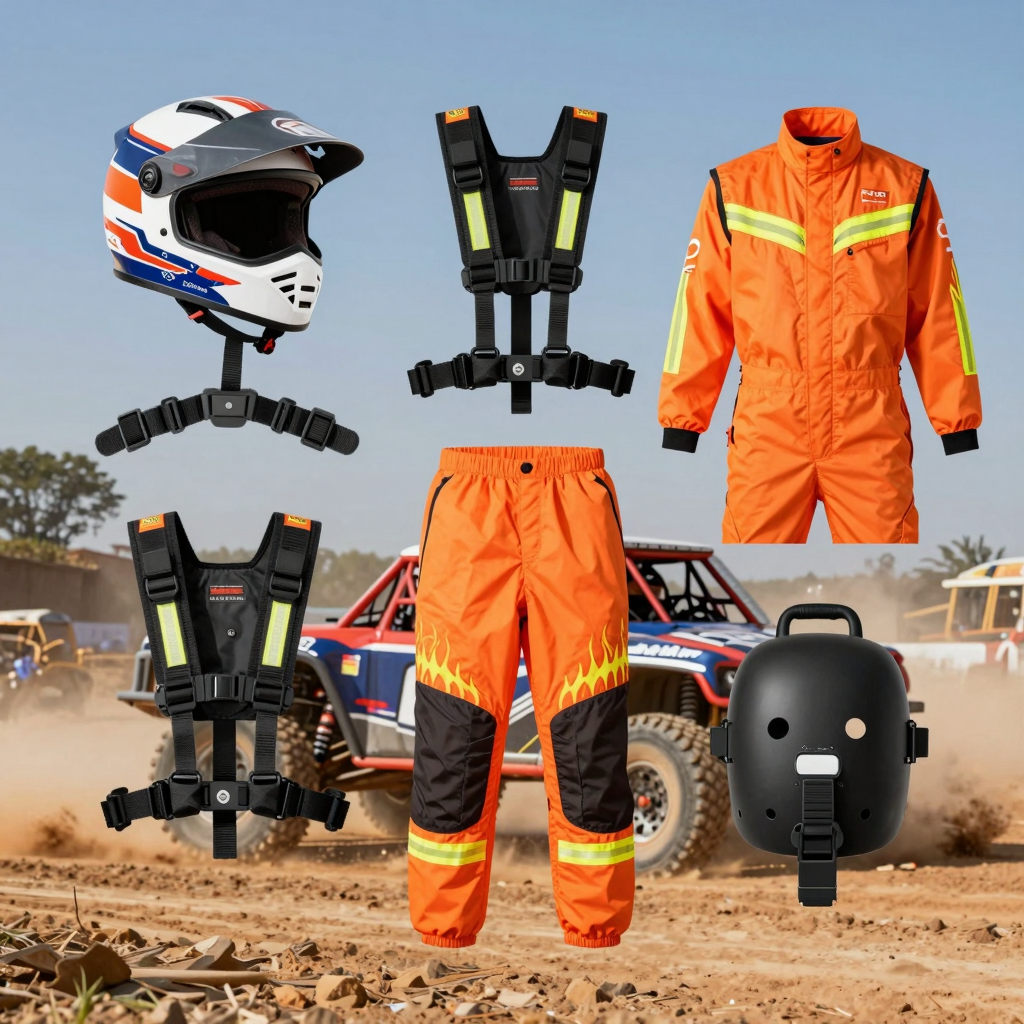
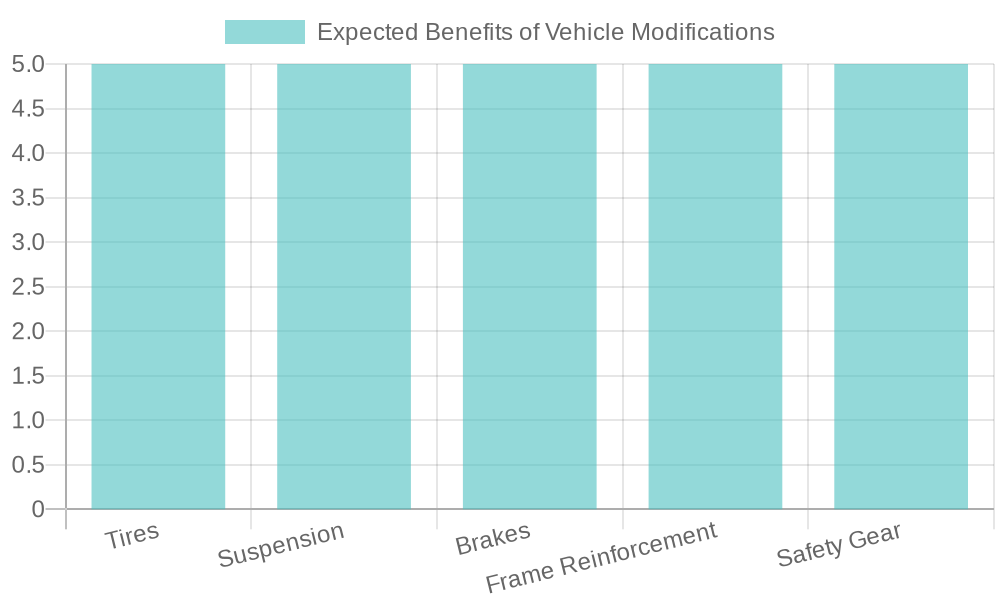
Essential Modifications for Entry-Level Trucks in Racing
Getting into off-road truck racing? Your vehicle needs to perform optimally and safely to navigate challenging terrains and high-speed scenarios. Below are the essential modifications you must consider:
- Tires:
- Upgrade to high-performance all-season or track-focused tires, such as Michelin Pilot Sport or Continental ExtremeContact Sport.
- Purpose: Improved grip, handling, reduced stopping distance, and enhanced stability at high speeds.
- Suspension:
- Install performance coilover kits or upgrade shock absorbers and sway bars.
- Purpose: Increases cornering stability, reduces body roll, and improves weight transfer control for better road feel.
- Brakes:
- Upgrade to high-performance brake calipers, larger rotors, and high-quality brake pads.
- Purpose: Significantly enhances stopping power, reduces brake fade, and increases the lifespan of brake components.
- Frame Reinforcement:
- Use steel or aluminum frame stiffeners and cross-member bracing.
- Purpose: Enhances structural integrity, reduces flex during aggressive driving, and improves overall durability.
- Safety Gear:
- Install a roll cage and multi-point safety harnesses, and ensure you have fire-resistant racing gear.
- Purpose: Provides essential protection for occupants in crashes and meets safety standards for competitive racing.
These modifications will not only enhance your truck’s performance but also ensure that safety is prioritized, enabling you to race with confidence. For more detailed information about essential features, learn more about modifications here.
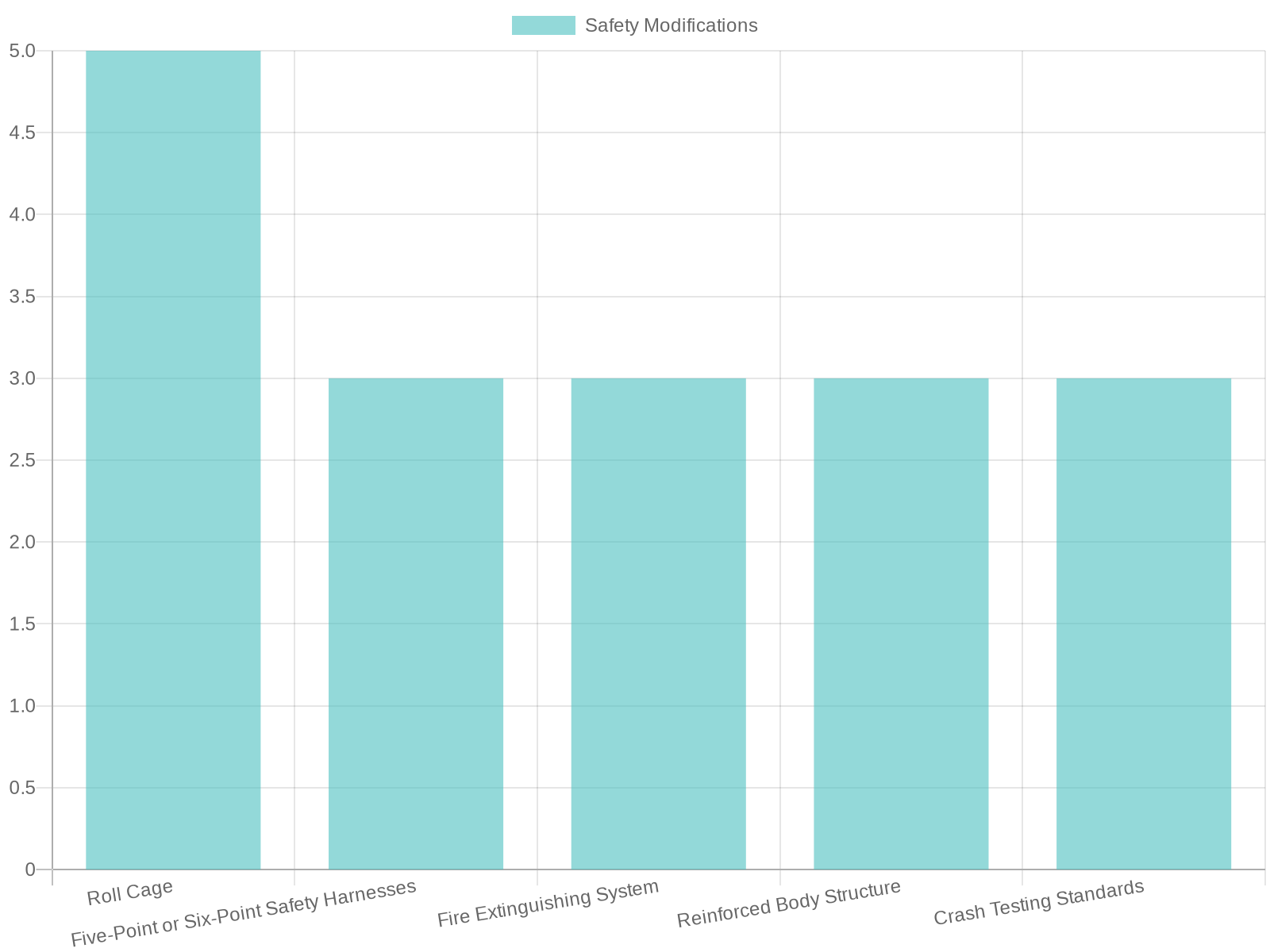
Safety Modifications for Entry-Level Trucks
Safety cannot be overlooked in truck racing. Here are critical safety modifications you should consider:
- Roll Cage:
- A sturdy framework designed to protect occupants during rollovers or collisions.
- Standards: SFI Foundation Standard 10.1, FIA 8860-2016.
- Safety Harnesses:
- Install five-point or six-point harness systems to secure the driver and reduce movement during impacts.
- Standards: SFI 38.1 and FIA 8858-2019.
- Fire Extinguishing System:
- Automatic or manual systems located near the engine and cockpit areas to suppress fires rapidly.
- Standards: SFI 3.2A and NFPA 10.
- Reinforced Body Structure:
- High-strength steel used in critical areas to absorb impacts and maintain cabin integrity.
- Standards: ISO 11462.
- Crash Testing Standards:
- Follow mandatory testing protocols simulating real-world collisions to ensure occupant safety.
- Standards: IIHS Crash Tests and NHTSA Evaluations.
These modifications are vital for ensuring that your entry-level truck meets safety regulations while providing the necessary protection during races. For further insights, you can explore more about safety gear.
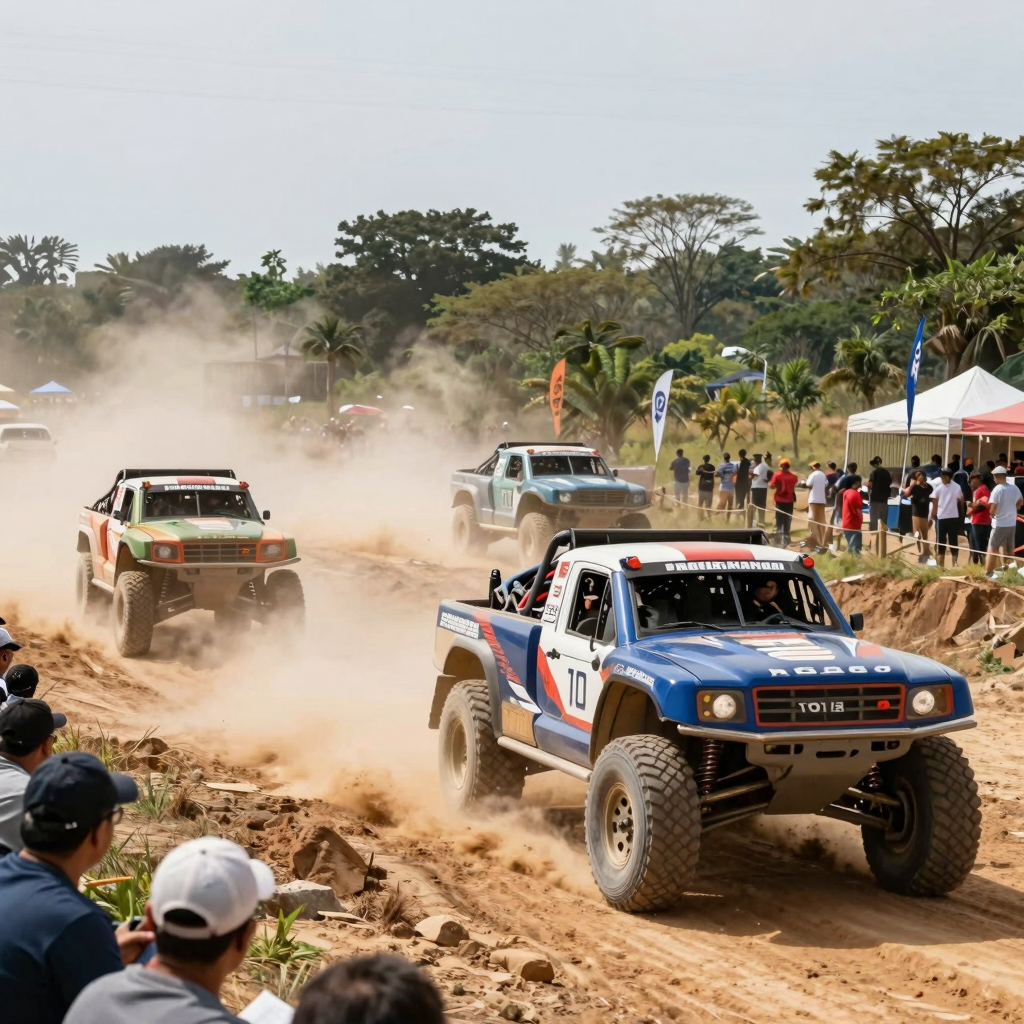
Diving into the off-road racing world can be exhilarating, but finding local events and communities is crucial for newcomers. Participating in these events enables you to connect with fellow enthusiasts, learn the ropes, and gain invaluable experience. Here’s how to find these exciting gatherings and the communities that cultivate the spirit of off-road racing.
Utilize Online Resources
The Internet is a treasure trove for anyone looking to get involved in local racing. Websites like the Off-Road Motorsports Association (ORMA) provide a comprehensive calendar of local and regional events. You can filter by location, date, and type of racing, making it easier than ever to find something that fits your schedule and interests. From desert races to rock crawling competitions, ORMA serves as a hub for all things off-road.
Connect with Local Clubs and Groups
Joining an off-road club is one of the best ways to immerse yourself in the community. Many local clubs offer practice sessions, competitions, and social events that foster camaraderie. The National Off-Road Racing Council (NORC) has resources to help you find and join clubs in your area. By attending club meetings and events, you’ll be entering a network of seasoned racers who can share tips, advice, and even mentorship.
Engage on Social Platforms
Social media platforms like Facebook and Reddit are bustling with off-road communities. For example, check out the subreddit r/OffroadRacing where users actively post about upcoming events, share race footage, and provide valuable insights about local groups and races. Similarly, many clubs have their pages or groups on Facebook, where they regularly post local events and updates.
Utilize Discord for Real-Time Interactions
Discord is another excellent tool for connecting with fellow off-road enthusiasts. Various servers, such as “Offroad Racers United,” host discussions about everything from gear and tracks to event logistics. You can easily arrange meetups, whether casual gatherings or major racing events. Engaging in these online communities not only enhances your knowledge but also helps you to make friends who share your passion.
Local Racing Events Engage Beginners
Attending local races-whether as a spectator or a participant-provides a practical understanding of racing dynamics. You can see firsthand how different trucks perform, what modifications work best, and the skills required to handle various terrains. Many events will even welcome newcomers with open arms, often providing opportunities to ride along or even drive a race truck under supervision.
Seek Out Training Opportunities
Many organizations and clubs offer training programs and safety certifications, which are essential especially for newcomers. For instance, ORMA not only lists events but also provides links to regional clubs where you can get involved in practice sessions and engage with experienced racers who can guide you through your off-road journey.
The Importance of Participation
Engaging in off-road racing communities is not merely about competition; it fosters a sense of belonging. Whether you’re navigating grueling trails or sharing stories around a campfire, these interactions often lead to lifelong friendships. For anyone shipping their first off-road truck or just dreaming about racing, participation is the bridge to transforming that dream into reality.
In essence, finding local racing events is about exploring, engaging, and connecting. Whether through online resources, local clubs, or social media, the path to becoming an off-road racing enthusiast is rich with opportunities for adventure and community.
By participating, you not only enhance your skills but also contribute to the vibrant tapestry of the off-road racing world, making memories that last a lifetime. So gear up and get rolling-your adventure awaits!
“The best part of off-roading is the freedom to explore places you’ve never been before.”
- Larry Roeseler, renowned off-road racer.
This quote captures the essence of off-road racing and inspires newcomers to embrace the adventure of the sport.
Embrace the Thrill of Off-Road Truck Racing
As you stand on the edge of this exciting journey, know that the world of off-road truck racing is waiting for passionate adventurers like you. Feel the adrenaline pulse through your veins as you imagine the roar of engines, the thrill of navigating rugged terrains, and the camaraderie of fellow competitors and fans. This isn’t just about racing; it’s about embracing a lifestyle defined by grit, determination, and a relentless pursuit of adventure.
Take the plunge! Whether you dream of cutting through the desert landscape or conquering muddy trails, now is the time to make it happen. Equip yourself with the right gear, invest in the best modifications for your truck, and don’t shy away from training. Off-road racing is not just a sport; it’s a community-a movement that celebrates resilience and the spirit of competition.
Now is the moment to transform your truck into an unstoppable racing machine. Check out Summit Fairings for cutting-edge modifications that can elevate your racing experience to the next level. Discover how to customize your ride with features that enhance performance and safety.
Are you ready? Step into the mud, rev that engine, and answer the call of the exhilarating terrain. Adventure awaits-you just need to take the wheel! Learn more about the transformations available here!
FAQ Section on Off-Road Truck Racing
1. What are the costs associated with off-road truck racing?
Off-road truck racing can be quite expensive, depending on the competitiveness of the events you choose to enter. Here’s a breakdown of typical costs:
- Truck Costs: Entry-level trucks range from $50,000 to $70,000, while high-performance models can exceed $150,000.
- Operational Costs: Including specialized tires (ranging from $1,000 to $3,000 per set), suspension upgrades that can cost over $10,000, and safety equipment installations that include roll cages and harnesses.
- Entry Fees: Teams typically pay entry fees ranging from $500 to $2,000 per event. For competitive teams, total annual costs often surpass $100,000 when you factor in logistics and travel expenses. Check out this comprehensive guide on costs for more details.
2. What are the entry requirements for off-road truck racing?
Before participating in off-road truck races, drivers must meet some basic entry requirements:
- Valid Driver’s License: Competitors must have a legal driver’s license.
- Safety Inspection: All vehicles must pass a technical safety inspection to ensure they meet the racing standards set by the governing body.
- Insurance and Membership: Racing organizations typically require proof of liability insurance and membership in a recognized racing association. Many organizations also have a minimum age requirement of 18 years.
- Mechanical Knowledge: Drivers often need to demonstrate basic mechanical knowledge or have a co-driver with such knowledge. More insights on entry requirements can be found here.
3. Are there training opportunities available for aspiring racers?
Yes! Many training programs exist for those looking to break into off-road truck racing:
- Certified Training Programs: Organizations like the National Off-Road Racing Council (NORC) offer structured training programs, including high-speed cornering, emergency response tactics, and advanced suspension tuning.
- Workshops and Clinics: Local racing clubs often provide hands-on driving clinics and online courses dedicated to vehicle preparation and race-day procedures, making it easier for new drivers to get the experience they need to thrive.
- Mentorship Programs: Many clubs have mentorship opportunities for novices to learn from experienced drivers and gain insights into the racing world.
4. What types of vehicles are used in off-road truck racing?
Off-road racing vehicles vary widely based on the racing class. Common types include:
- Correctly Modified Trucks: These are usually pickup trucks that have been adjusted for better performance on rough terrains. The modifications can include reinforced suspension systems, improved tires, and enhanced engine power to handle competitive racing requirements.
- Custom-Built Performance Trucks: For professional races, custom-built vehicles are often chosen for their peak performance. These trucks are designed to handle extreme conditions and provide better speed and control. You might want to look at specific models popular in the sport, such as the Toyota Tundra or Ford F-150 Raptor.
5. How can I get started in off-road truck racing?
To get started:
- Join a Local Club: Engage with local off-road racing communities to understand the basic rules and regulations.
- Participate in Events: Attend amateur events to gain experience and learn from others in the field.
- Invest in a Good Vehicle: Start with a truck that meets the basic specifications and gradually invest in modifications as you gain experience. For more tips, read our article on getting into off-road truck racing.
Engaging in off-road truck racing is a thrilling adventure, one where passion meets rugged terrain. With the right preparation, you can navigate this exhilarating sport successfully!